APPAC Urged to Strengthen Political Influence , Leadership Celebrates Historic Electoral Victories in New York
Iqbal described these developments as part of a broader political awakening among communities that had traditionally lacked representation and influence.The...
- Iqbal described these developments as part of a broader political awakening among communities that had traditionally lacked representation and influence.The...
New York: Pakistani American Public Affairs Committee ( APPAC ) leaders, elected officials, political representatives and diplomats have called for greater political participation, stronger community engagement and increased representation of Pakistani Americans in the United States, emphasizing that economic success alone is not enough to secure equality, dignity and influence in American society.
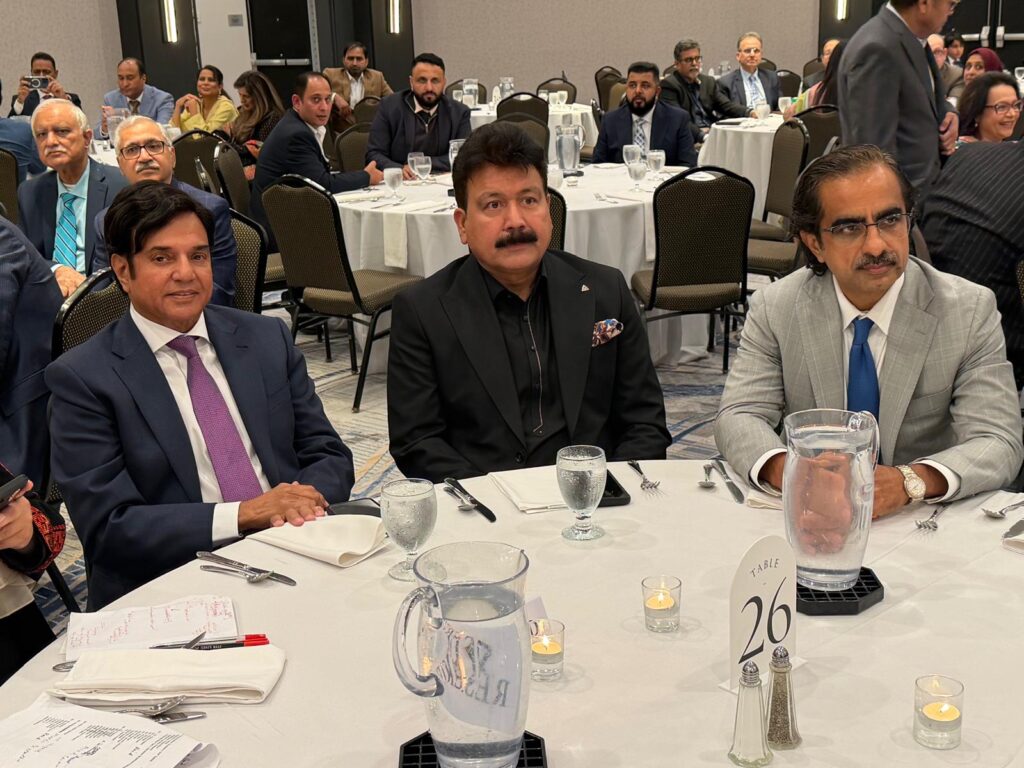
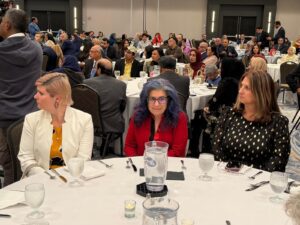
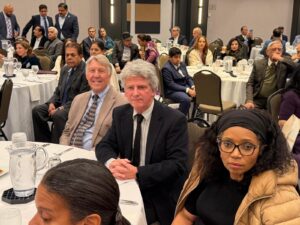
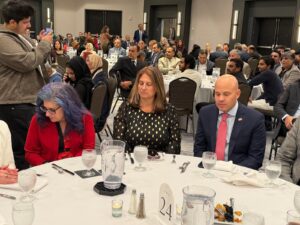
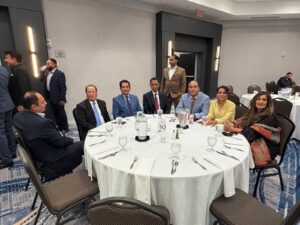
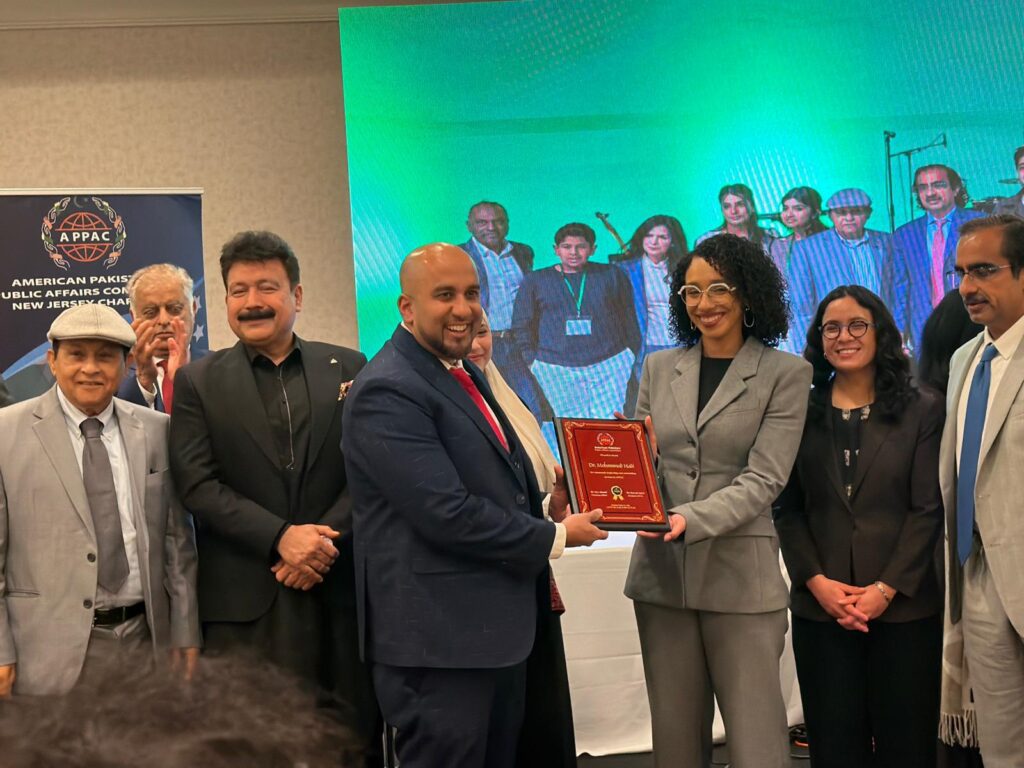
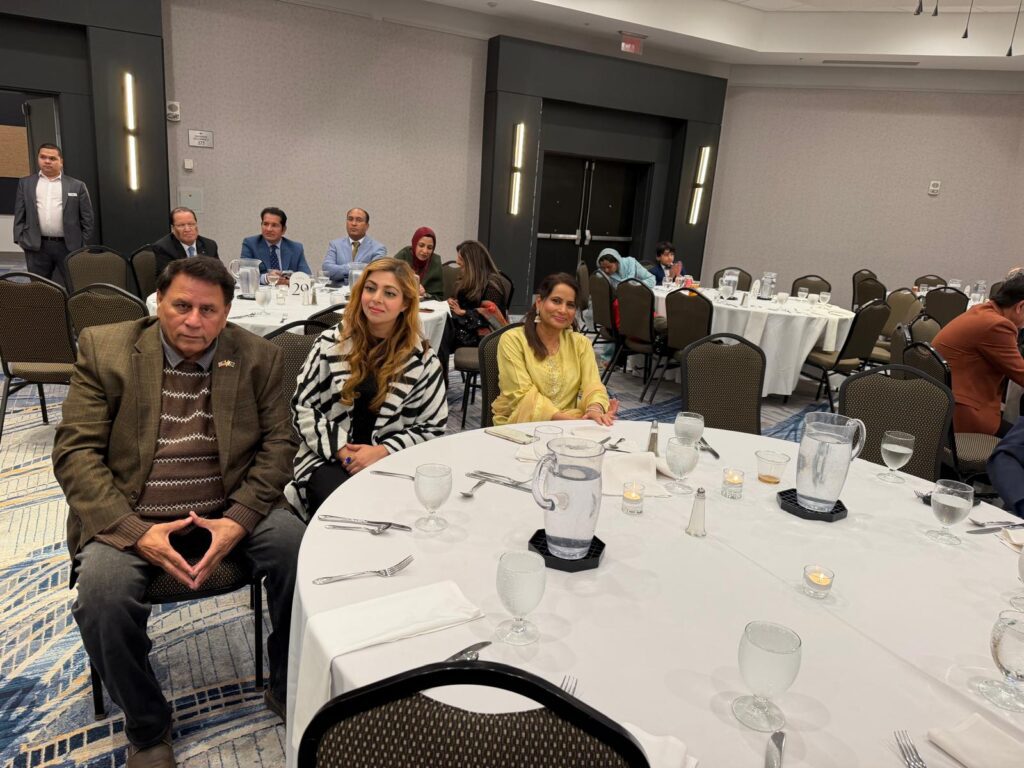
The message was delivered at a major annual community dinner hosted by the American Pakistan Public Affairs Committee (APPAC), where newly elected Democratic representatives, prominent community figures, business leaders, professionals and members of various organizations gathered to celebrate recent electoral victories and discuss the future of Pakistani Americans in American politics.
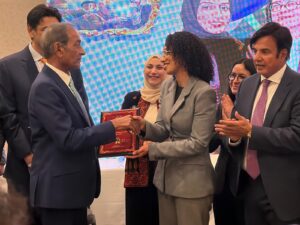
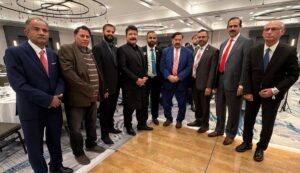
The event brought together a diverse gathering of community members, including the Consul General of Pakistan in New York, newly elected lawmakers, men and women representing different political constituencies, their families, successful entrepreneurs, doctors and community organizations.
The gathering was not merely a celebration of electoral achievements but also provided an opportunity to discuss political empowerment, youth leadership, women’s representation and the importance of building stronger connections with other communities across the United States.
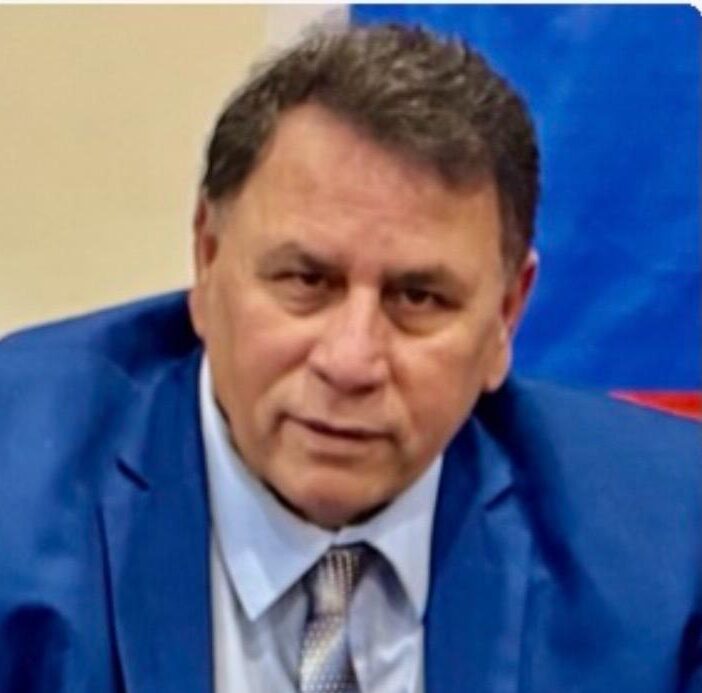
Addressing the Event , Dr. Pervaiz Iqbal highlighted the remarkable achievements of Pakistani Americans in various professional fields, including medicine, engineering, law, law enforcement, science, education, entrepreneurship and business.
However, he raised an important question about whether professional accomplishments and financial prosperity alone could guarantee respect, dignity, equality and security for future generations.
His answer was an emphatic no.
Dr. Iqbal explained that economic success does not automatically translate into political influence, professional achievements do not necessarily ensure social acceptance, and financial prosperity cannot independently protect children from discrimination, prejudice and injustice.
He stressed that Pakistani Americans must become an integral part of America’s social and political fabric rather than remaining on the sidelines of political decision-making.
Referring to the growing electoral success of Muslim and other historically underrepresented communities, including New York City Mayor Zohran Mamdani, Dr. Iqbal described these developments as part of a broader political awakening among communities that had traditionally lacked representation and influence.
The Consul General of Pakistan in New York congratulated the newly elected officials and described their electoral victories as a reflection of the confidence and trust placed in them by voters.
He praised APPAC for mentoring young Pakistani Americans, undertaking social welfare initiatives, bringing people together and building bridges between different communities.
Addressing Pakistani Americans, he urged them to become more active in American politics, leave their homes, exercise their right to vote and participate fully in democratic institutions.
He reminded the audience that while Pakistan would always remain their motherland, the United States was their home, where they and their children would build their future.
The Consul General described Pakistani Americans as permanent ambassadors of Pakistan, pointing out that their long-term presence and contributions in the United States represented an important connection between the two countries, unlike the temporary diplomatic assignments of government representatives.
He particularly encouraged parents to familiarize their children with democratic traditions and values and provide them with opportunities to learn from elected representatives and public officials.
He stressed that political participation was directly connected to access to employment, education, social welfare and better opportunities.
According to him, Pakistani Americans must remain united, politically active and engaged in the democratic process to ensure that their interests and concerns are reflected in public policies.
He also expressed confidence in the community’s future, describing Pakistani Americans as an important force capable of contributing positively to American society and serving people of all religions, cultures, ethnicities and backgrounds.
New York City Mayor Zohran Mamdani in his video message acknowledged the important role played by APPAC in mobilizing Pakistani American voters and supporting political campaigns.
Reflecting on his political journey, Mamdani recalled that when he first entered electoral politics, he had virtually no name recognition outside his local constituency in the Bronx.
He said that four years later, when he launched his mayoral campaign, APPAC once again took a chance on his candidacy and worked to mobilize Pakistani New Yorkers who had historically remained disconnected from electoral politics.
Mamdani highlighted the contributions of Pakistani Americans in neighborhoods including Midwood, Fresh Meadows and Bensonhurst, describing doctors, cab drivers, lawyers, construction workers and artists as an essential part of New York City’s social and economic fabric.
He praised APPAC for educating community members about their role in democracy, supporting candidates for elected office and organizing Pakistani Americans around important public issues.
He emphasized that politics was not simply something people believed in but something they actively practiced through participation and collective action.
The mayor also referred to recent political developments across the country, saying voters had demanded a new generation of leadership and action on the cost-of-living crisis and foreign wars.
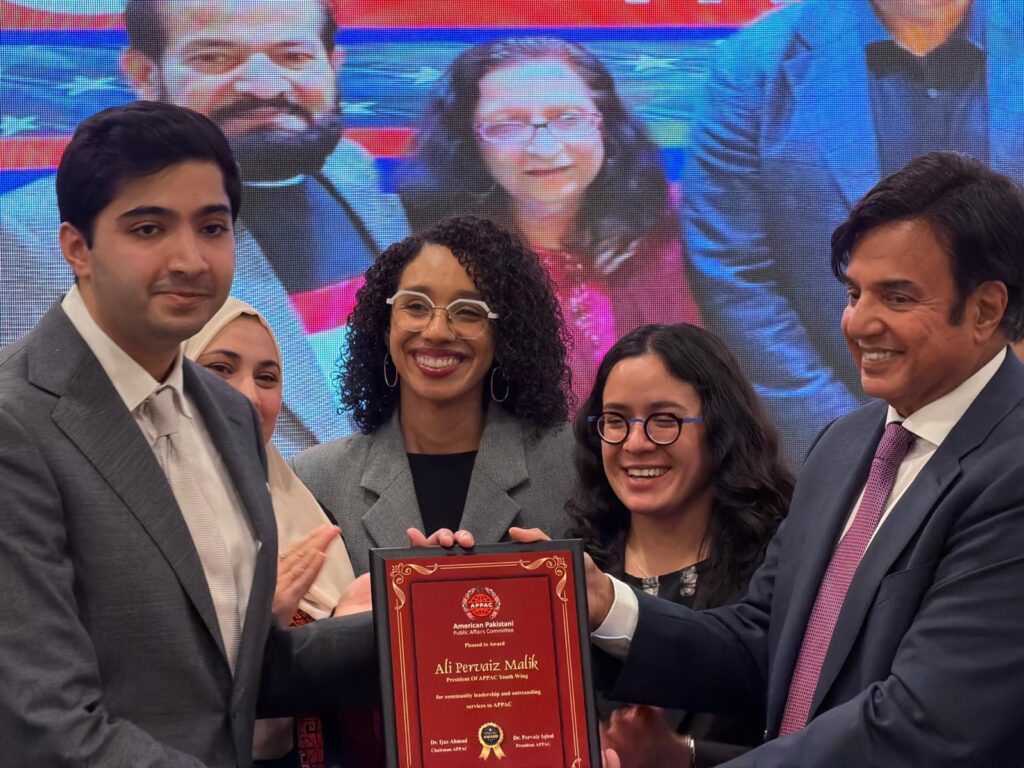
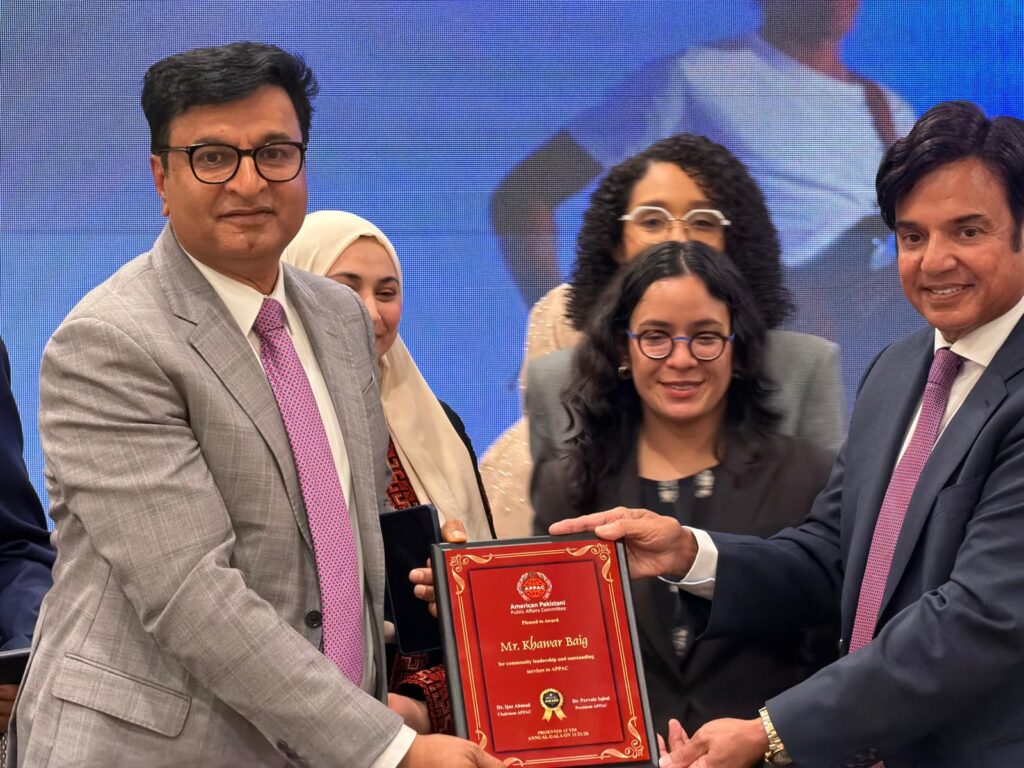
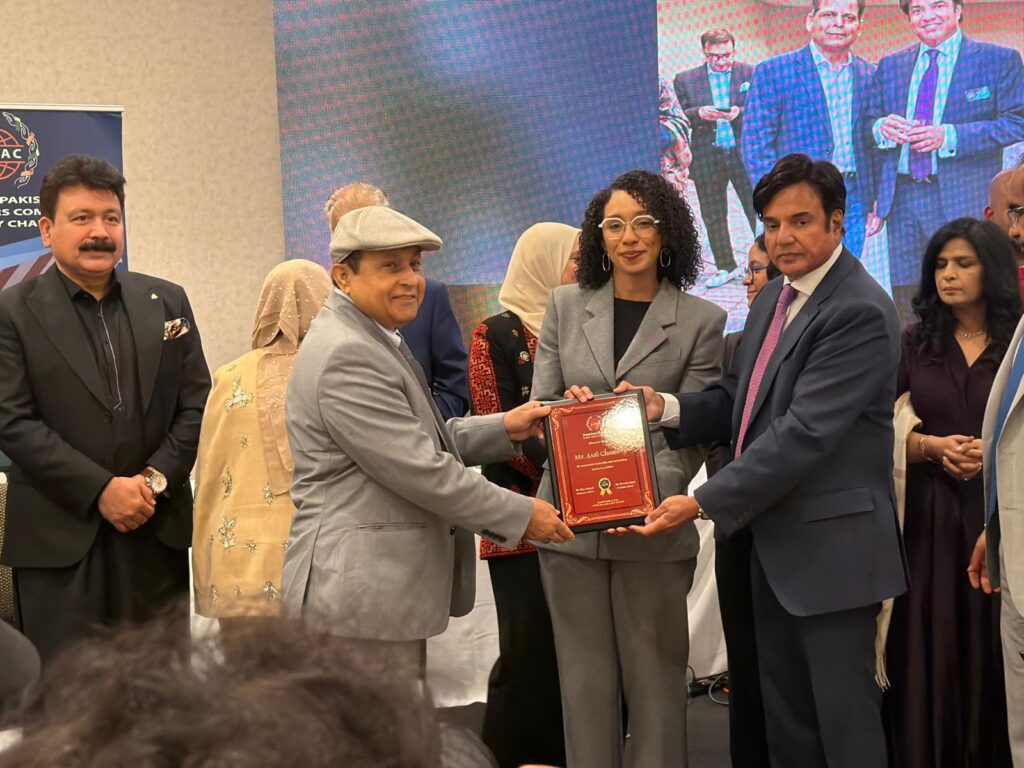
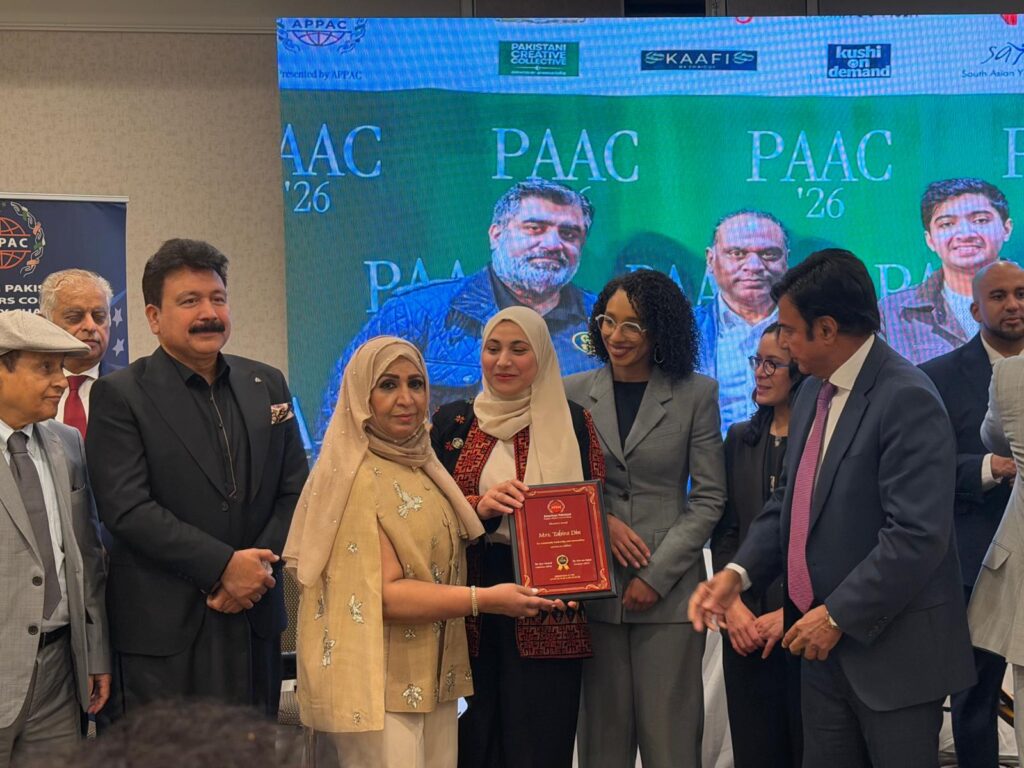
He said elected officials at every level now had a responsibility to fulfill voters’ expectations and ensure that Pakistani American voices continued to be heard in political decision-making.
New York State Senator-elect AJ Kawas described her electoral victory as a historic milestone, identifying herself as the first Palestinian elected to the New York State Legislature and the first Muslim woman to serve in the state legislature.
Sharing her family’s immigration experience, Kawas said her parents arrived in the United States during the 1990s as Palestinian refugees.
She recalled growing up during the difficult post-September 11 period, when Muslim and immigrant communities faced discrimination and policies that negatively affected their lives.
Kawas revealed that her father, who was undocumented at the time, spent nearly three years in immigration detention before being deported when she was a teenager.
She said that as an 11-year-old girl visiting her father in a detention facility, she could never have imagined that one day she would become a member of the New York State Senate.
Her personal experiences motivated her to dedicate years to community organizing and public service.
She highlighted her work on language access, support for women experiencing domestic violence, recognition of Eid as a public holiday in New York City and efforts to secure a $15 minimum wage for immigrant and working-class communities.
Kawas also spoke about her disappointment with political leadership following the outbreak of the war in Gaza in 2023, saying that the failure of elected officials to adequately represent people’s concerns strengthened her determination to work for political change.
She credited grassroots activism and young people across New York and the United States for helping build a broader movement.
Referring to Zohran Mamdani’s 2025 mayoral victory and subsequent electoral successes in 2026, she said these developments demonstrated that the movement was not a one-time political achievement but a sustained effort by communities that had long felt excluded from decision-making.
She described the movement as an opportunity to build a more dignified society based on justice, ethics and equal representation.
Congresswoman-elect Claire Valdez also acknowledged APPAC’s contribution to political participation and community representation.
She thanked the organization’s board and particularly recognized Dr. Mohadi and Ather for believing in her campaign from an early stage and supporting her political journey.
Valdez emphasized that underrepresented communities deserved a place in important decision-making institutions and possessed the power and influence to shape their own future.
She expressed gratitude for the leadership and continued efforts of community organizers who worked to ensure that diverse voices were represented in American politics.
One of the speakers reflected on the importance of community leadership, recalling the ideas of Allama Muhammad Iqbal and American poet Walt Whitman about individuals, collective responsibility and the future of nations.
He encouraged newly elected representatives not to forget the communities and people who supported their political journeys.
He also called for stronger cooperation between Pakistani Americans, Chinese Americans and other communities, describing unity and inter-community alliances as essential for building a stronger and more inclusive society.
Dr Ijaz , Chairman, APPAC praised the organization’s role in bringing together approximately 350 young people at its first Pakistani American artists’ convention, providing emerging artists with opportunities to meet, exchange ideas and develop professional collaborations.
He also announced the successful completion of its internal elections and the formation of a new executive committee for the next two years, with Professor Fesan Haq elected as the new president.
He expressed appreciation for the outgoing leadership, volunteers, board members and community organizers who had contributed to the organization’s development.
In his address, Dr Ijaz emphasized that Pakistani Americans could no longer remain on the sidelines of the political process.
He said the community had worked hard, built businesses, raised families and contributed significantly to American society, but now needed a stronger presence in the institutions where decisions were made.
He stressed the importance of securing a seat at the table where public policies were discussed, government budgets were decided and the future of communities was shaped.
He explained that APPAC’s mission extended far beyond organizing social gatherings and recognition ceremonies. Its primary objective was to build political awareness, encourage participation and ensure that Pakistani American concerns reached elected officials and policymakers.
He also highlighted the organization’s continued engagement with political candidates and its preparations for the 2028 presidential election, saying the community needed to engage with potential candidates early, ask questions and ensure its concerns were included in political discussions.
Other elected representatives praised APPAC’s efforts to strengthen political engagement.
A representative from the Town of Hempstead acknowledged the organization’s leadership and said its work was driven by principles of fairness and community welfare rather than political divisions.
He emphasized that every resident deserved a place at the decision-making table and pledged to ensure that all voices were heard.
The speaker also stressed the importance of speaking out against hate and division and building cooperation between government institutions and community organizations.
The gathering concluded with a strong message of unity, political engagement and collective responsibility.
Speakers agreed that Pakistani Americans had already established themselves as an economically and professionally successful community, but their long-term future in the United States would also depend on political awareness, electoral participation, effective leadership and the ability to build alliances with other communities.
The annual dinner also offered an opportunity to reflect on APPAC’s evolving role in the Pakistani American community.
In his assessment of the gathering, the Chairman of Fourth Pillar Media Watchdog said that his earlier questions about APPAC’s direction and its chairman’s vision had gradually been answered through the organization’s activities and the community’s participation.
He observed that the event demonstrated a commitment to community development, particularly through youth empowerment, educational scholarships, political awareness and opportunities for young Pakistani Americans to enter public service and American politics.
He noted that the presence of elected representatives, diplomats, business professionals, doctors, entrepreneurs and community organizations reflected the growing importance of collective engagement.
The event also featured food, entertainment, music and dance, creating an atmosphere of celebration and community fellowship, with participants sharing their happiness over the electoral achievements and the community’s growing political presence.
However, beyond the celebrations, one message stood out clearly throughout the gathering: Pakistani Americans must strengthen their influence in American politics, exercise their right to vote, empower their younger generation and create greater opportunities for women in leadership and public service.
The central message was that Pakistani Americans must not only contribute to American society through their professional achievements and economic activities but also actively participate in shaping its policies, leadership and future.
The gathering underscored the importance of political awareness, unity, effective organization and cooperation with other communities as essential foundations for ensuring a stronger voice for Pakistani Americans in the United States.
Senior US based Journalist
Frequently Asked Questions
What is the latest update on pakistani americans?
Iqbal described these developments as part of a broader political awakening among communities that had traditionally lacked representation and influence.The Consul General of Pakistan in New York congratulated the newly elected officials and described their electoral victories as a reflection of the confidence and trust placed in them by voters.He praised APPAC for mentoring young Pakistani Americans, undertaking social welfare initiatives, bringing people together and building bridges between different communities.Addressing Pakistani Americans, he urged them to become more active in American politics, leave their homes, exercise their right to vote and participate fully in democratic institutions.He reminded the audience that while Pakistan would always remain their motherland, the United States was their home, where they and their children would build their future.The Consul General described Pakistani Americans as permanent ambassadors of Pakistan, pointing out that their long-term presence and contributions in the United States represented an important connection between the two countries, unlike the temporary diplomatic assignments of government representatives.He particularly encouraged parents to familiarize their children with democratic traditions and values and provide them with opportunities to learn from elected representatives and public officials.He stressed that political participation was directly connected to access to employment, education, social welfare and better opportunities.According to him, Pakistani Americans must remain united, politically active and engaged in the democratic process to ensure that their interests and concerns are reflected in public policies.He also expressed confidence in the community's future, describing Pakistani Americans as an important force capable of contributing positively to American society and serving people of all religions, cultures, ethnicities and backgrounds.New York City Mayor Zohran Mamdani in his video message acknowledged the important role played by APPAC in mobilizing Pakistani American voters and supporting political campaigns.Reflecting on his political journey, Mamdani recalled that when he first entered electoral politics, he had virtually no name recognition outside his local constituency in the Bronx.He said that four years later, when he launched his mayoral campaign, APPAC once again took a chance on his candidacy and worked to mobilize Pakistani New Yorkers who had historically remained disconnected from electoral politics.Mamdani highlighted the contributions of Pakistani Americans in neighborhoods including Midwood, Fresh Meadows and Bensonhurst, describing doctors, cab drivers, lawyers, construction workers and artists as an essential part of New York City's social and economic fabric.He praised APPAC for educating community members about their role in democracy, supporting candidates for elected office and organizing Pakistani Americans around important public issues.He emphasized that politics was not simply something people believed in but something they actively practiced through participation and collective action.The mayor also referred to recent political developments across the country, saying voters had demanded a new generation of leadership and action on the cost-of-living crisis and foreign wars.He said elected officials at every level now had a responsibility to fulfill voters' expectations and ensure that Pakistani American voices continued to be heard in political decision-making.New York State Senator-elect AJ Kawas described her electoral victory as a historic milestone, identifying herself as the first Palestinian elected to the New York State Legislature and the first Muslim woman to serve in the state legislature.Sharing her family's immigration experience, Kawas said her parents arrived in the United States during the 1990s as Palestinian refugees.She recalled growing up during the difficult post-September 11 period, when Muslim and immigrant communities faced discrimination and policies that negatively affected their lives.Kawas revealed that her father, who was undocumented at the time, spent nearly three years in immigration detention before being deported when she was a teenager.She said that as an 11-year-old girl visiting her father in a detention facility, she could never have imagined that one day she would become a member of the New York State Senate.Her personal experiences motivated her to dedicate years to community organizing and public service.She highlighted her work on language access, support for women experiencing domestic violence, recognition of Eid as a public holiday in New York City and efforts to secure a $15 minimum wage for immigrant and working-class communities.Kawas also spoke about her disappointment with political leadership following the outbreak of the war in Gaza in 2023, saying that the failure of elected officials to adequately represent people's concerns strengthened her determination to work for political change.She credited grassroots activism and young people across New York and the United States for helping build a broader movement.Referring to Zohran Mamdani's 2025 mayoral victory and subsequent electoral successes in 2026, she said these developments demonstrated that the movement was not a one-time political achievement but a sustained effort by communities that had long felt excluded from decision-making.She described the movement as an opportunity to build a more dignified society based on justice, ethics and equal representation.Congresswoman-elect Claire Valdez also acknowledged APPAC's contribution to political participation and community representation.She thanked the organization's board and particularly recognized Dr.
What are the key takeaways and impact?
Mohadi and Ather for believing in her campaign from an early stage and supporting her political journey.Valdez emphasized that underrepresented communities deserved a place in important decision-making institutions and possessed the power and influence to shape their own future.She expressed gratitude for the leadership and continued efforts of community organizers who worked to ensure that diverse voices were represented in American politics.One of the speakers reflected on the importance of community leadership, recalling the ideas of Allama Muhammad Iqbal and American poet Walt Whitman about individuals, collective responsibility and the future of nations.He encouraged newly elected representatives not to forget the communities and people who supported their political journeys.He also called for stronger cooperation between Pakistani Americans, Chinese Americans and other communities, describing unity and inter-community alliances as essential for building a stronger and more inclusive society.Dr Ijaz , Chairman, APPAC praised the organization's role in bringing together approximately 350 young people at its first Pakistani American artists' convention, providing emerging artists with opportunities to meet, exchange ideas and develop professional collaborations.He also announced the successful completion of its internal elections and the formation of a new executive committee for the next two years, with Professor Fesan Haq elected as the new president.He expressed appreciation for the outgoing leadership, volunteers, board members and community organizers who had contributed to the organization's development.In his address, Dr Ijaz emphasized that Pakistani Americans could no longer remain on the sidelines of the political process.He said the community had worked hard, built businesses, raised families and contributed significantly to American society, but now needed a stronger presence in the institutions where decisions were made.He stressed the importance of securing a seat at the table where public policies were discussed, government budgets were decided and the future of communities was shaped.He explained that APPAC's mission extended far beyond organizing social gatherings and recognition ceremonies.
Trump Threatens Ban and Heavy Taxes on US Firms Building AI Data Centres Overseas

Film Director Highlights Authenticity, Forgiveness and Emotional Storytelling in his New Movie Adam’s Fire
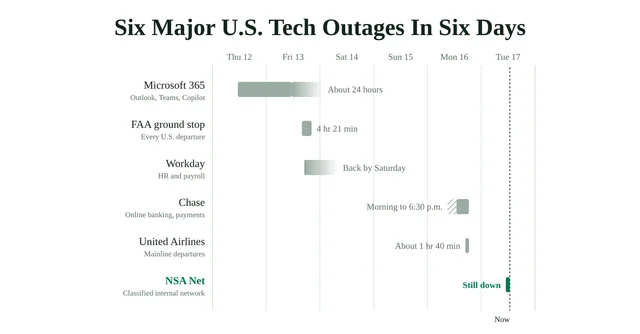
Six Major Technology Outages in Six Days Raise Cybersecurity Concerns Across the United States
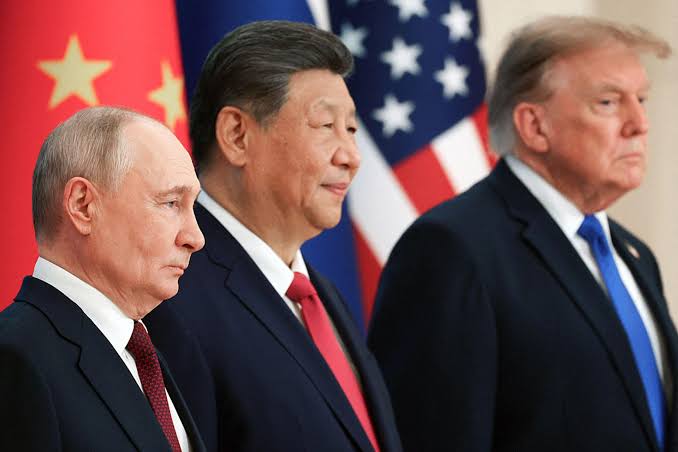
Trump, Xi and Putin Hold Historic Summit in Shenzhen, Raising Questions About the Future of Global Power
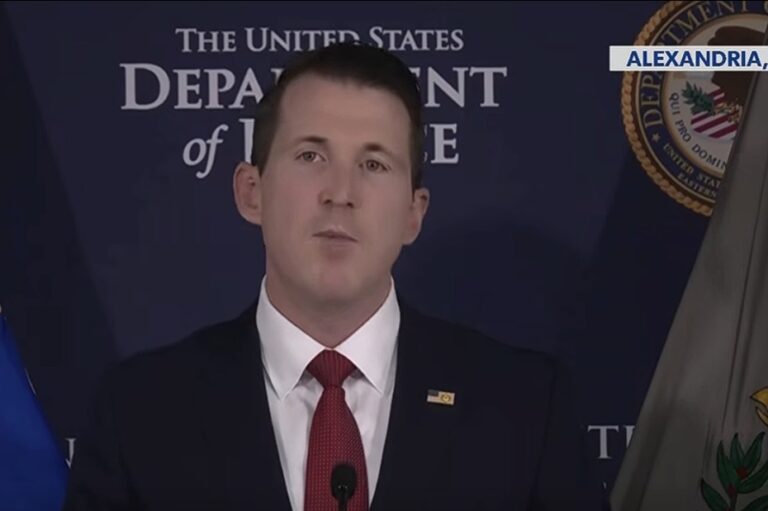
US Launches ‘Operation Ghostbusters’ to Crack Down on Widespread Federal Student Aid Fraud