Film Director Highlights Authenticity, Forgiveness and Emotional Storytelling in his New Movie Adam’s Fire
Adam's Fire — A film director has highlighted the importance of authenticity, emotional storytelling and forgiveness while discussing the inspiration behind...

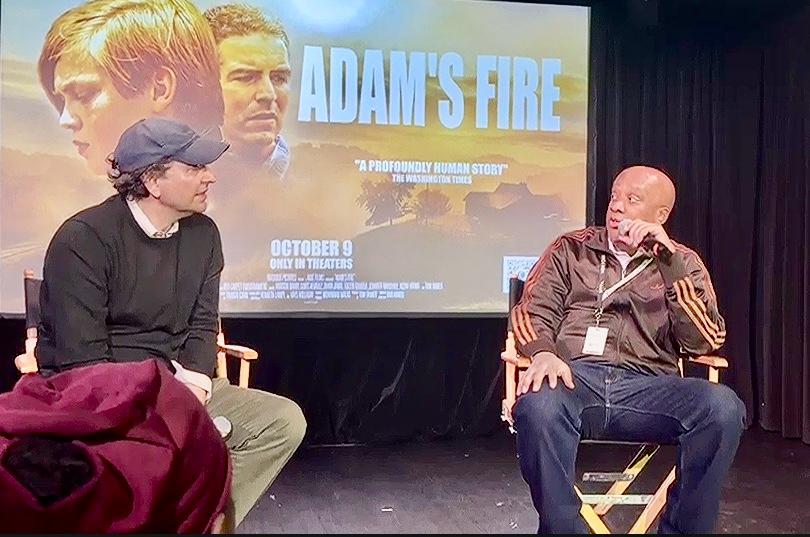
- A film director has highlighted the importance of authenticity, emotional storytelling and forgiveness while discussing the inspiration behind his latest movie during an interview with an audience.
- One of the most emotional aspects of the film Adam’s Fire is its exploration of forgiveness and the healing process following personal tragedy.
- The director Bob Ahmed emphasized that casting played a crucial role in bringing realism to the movie.
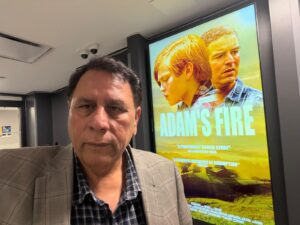
A new film by filmmaker Bob Ahmed, Adam’s Fire , premiered at the New York Film Academy, 26 Broadway, New York City, bringing together journalists, influencers, students, analysts, bloggers, and media representatives, exploring Muslim and Christian cultures, family relationships, faith, trauma, and the strength of a hijab-wearing female character, the film delivers a powerful message of cultural understanding and human resilience. Following the premiere, an interactive question-and-answer session and discussion were held with the filmmaker Bob Ahmed , highlighting his vision and plans for the film’s distribution across the United States, Canada, and the Middle East.
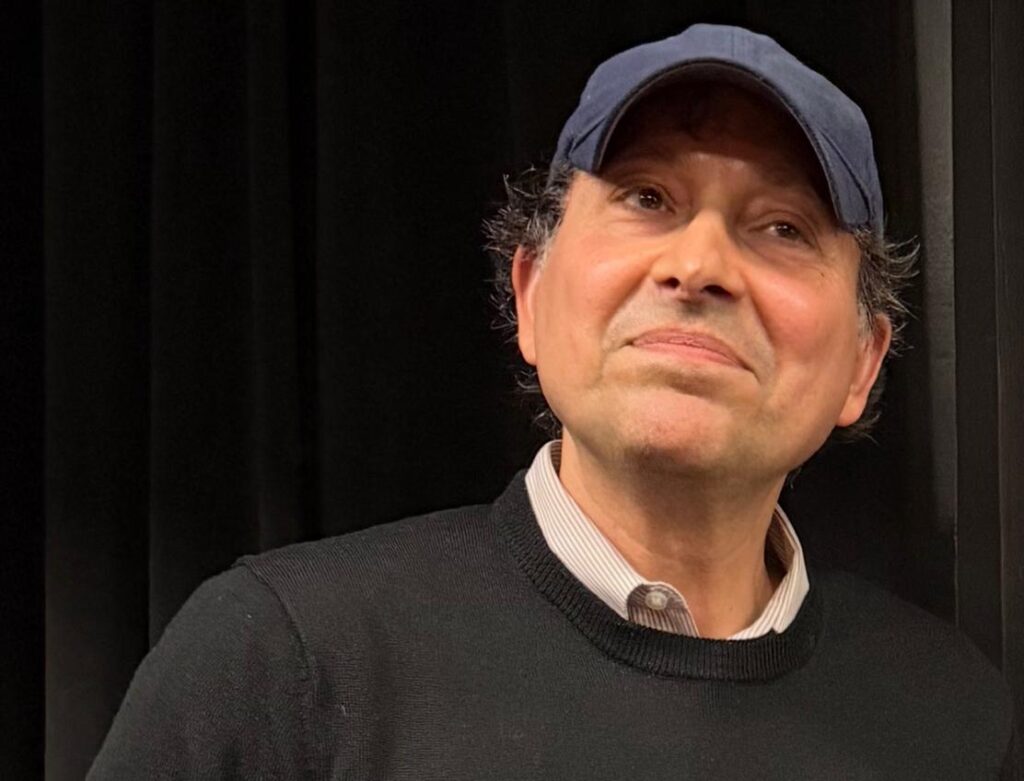
A film director has highlighted the importance of authenticity, emotional storytelling and forgiveness while discussing the inspiration behind his latest movie during an interview with an audience. The director Bob Ahmed said the idea for the film emerged from his desire to place a character in an extreme situation and then take that person through a dramatic transformation.
Speaking about the creative process, he explained that authenticity was his primary focus throughout the production, rather than simply following conventional filmmaking formulas or predetermined plot points. “I wanted to put a person in the most extreme circumstance and shift them from one extreme to another,” the director said, describing the initial concept behind the story.

The director Bob Ahmed emphasized that casting played a crucial role in bringing realism to the movie. He revealed that several members of the cast had real-life military backgrounds, allowing them to contribute genuine experiences to their performances. According to the Bob , the father character is portrayed by a real-life Navy SEAL, while another actress has served in the U.S. Navy. The actor playing the sheriff also has a background as an Army veteran and former Los Angeles police officer.

He also praised actress Aizzah Fatima for contributing significantly to the development of her character from the early stages of the screenplay.
Responding to a question Ahmed said his intention was to build a basic story structure while allowing the cast members to bring their own experiences and authenticity to the characters. Discussing the most challenging moments during production, the director identified a barn scene featuring a father speaking with a young boy as particularly difficult to develop and film.
However, he described the scene as one of the most rewarding parts of the movie, praising Chris Alvarez for delivering a memorable performance.
He also highlighted a dinner scene involving Aizzah Fatama and other cast members, saying he immediately recognized something special in the performances while filming was underway. One of the most emotional aspects of the film Adam’s Fire is its exploration of forgiveness and the healing process following personal tragedy.
During the interview, the interviewer highlighted the film’s ending, in which a young boy eventually embraces a woman responsible for his mother’s death in an accidental incident. The scene explores how forgiveness can become part of the process of overcoming grief and emotional pain.

The director of the film Ahmed revealed that he had imagined this particular moment hundreds of times before filming began. He explained that the entire narrative was essentially built around reaching that emotional conclusion.
“It was a journey to get to that scene,” he said.

The movie was filmed in West Virginia, where the natural landscape, farms, mountains and atmospheric surroundings played an important role in establishing the film’s visual identity. The director described the location as almost another character in the movie, explaining that finding the right environment was essential to telling the story effectively.
He said the location-search process took several months before the production team finally found the right setting.
Recalling how he discovered the filming location, the director shared an unusual story about getting lost while scouting locations in Virginia.
With no mobile phone reception, he passed a farm and noticed its owner working on a tractor. He decided to turn back, approach the farmer and ask whether he could make a movie there.
Despite looking somewhat out of place, the director said he was warmly welcomed by the local residents.
Bob Ahmed praised the hospitality and kindness of the West Virginia community, describing the farm owners as people who made a lasting impression on the entire production team.
The director also recalled being impressed by the region’s rolling hills and mountains, comparing parts of its scenery to Switzerland.
Throughout the discussion, the director Ahmed repeatedly returned to the importance of genuine performances, meaningful locations and emotional connections.
Rather than relying solely on conventional storytelling techniques, he said he wanted the cast and production environment to contribute naturally to the film’s overall impact.
The interview offered an insight into the creative thinking behind the movie, particularly its central themes of grief, forgiveness, personal transformation and human compassion.
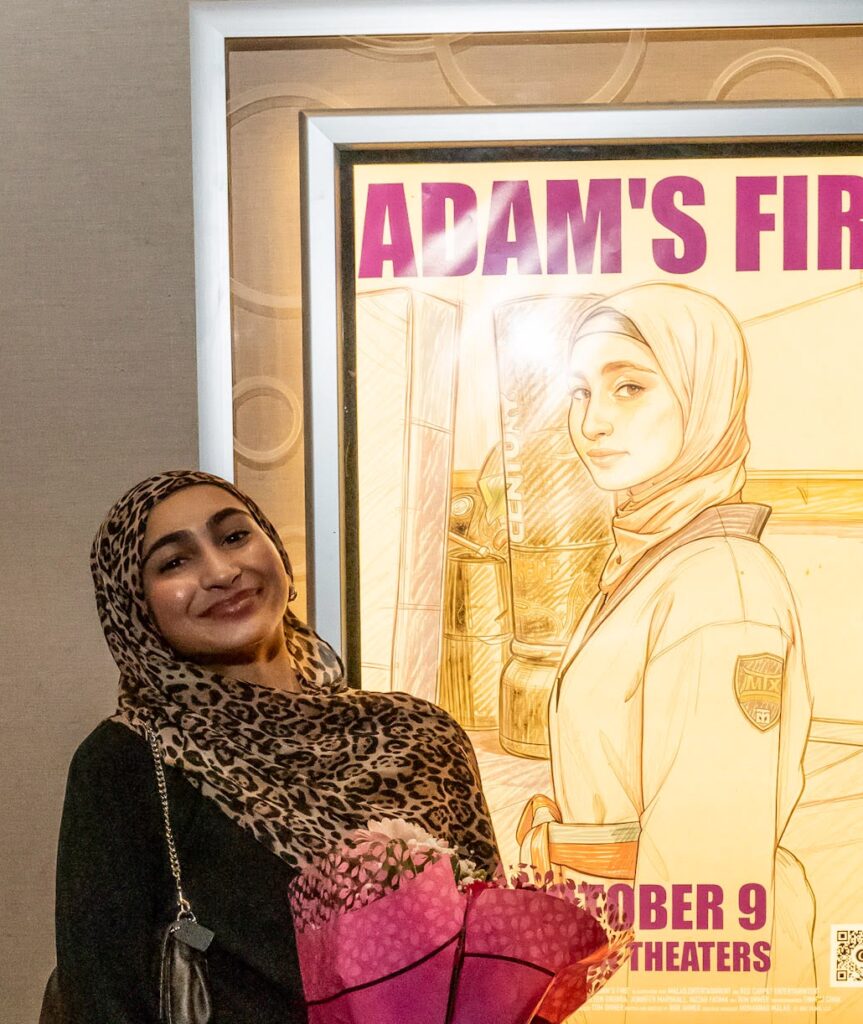
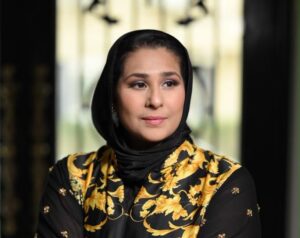
In Adam’s Fire, Zahra Jamal delivers a powerful performance as Mariam, a Pakistani-American Muslim girl who defies stereotypes and bridges cultural and religious divides. Her portrayal challenges conventional narratives, placing a young hijab-wearing Muslim girl at the heart of an American story. Mariam is more than a character she is a symbol of unity, hope, and the power of representation.
Nida Jamal, co-producer of Adam’s Fire, is a biochemist turned social entrepreneur and founder and CEO of ArHaz Jewels, an ethical jewelry brand creating economic opportunities for women artisans in rural Pakistan. Beyond her role as co-producer, Nida brought her expertise in jewelry design to the film, with Arhaz Jewels playing a key role in curating handmade pieces adorned with precious and semi-precious gemstones. These selected designs reflected cultural authenticity to the character of Amna, portrayed by Aizzah Fatima, who plays Mariam’s mother
Senior US based Journalist
Frequently Asked Questions
What is the latest update on adam's fire?
A film director has highlighted the importance of authenticity, emotional storytelling and forgiveness while discussing the inspiration behind his latest movie during an interview with an audience.
What are the key takeaways and impact?
A new film by filmmaker Bob Arshad, Adam's Fire , premiered at the New York Film Academy, 26 Broadway, New York City, bringing together journalists, influencers, students, analysts, bloggers, and media representatives, exploring Muslim and Christian cultures, family relationships, faith, trauma, and the strength of a hijab-wearing female character, the film delivers a powerful message of cultural understanding and human resilience.
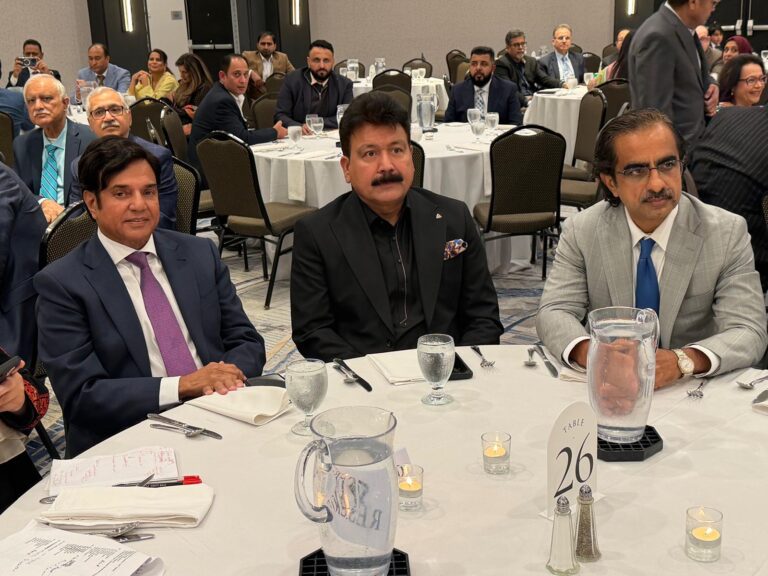
APPAC Urged to Strengthen Political Influence , Leadership Celebrates Historic Electoral Victories in New York

Trump Threatens Ban and Heavy Taxes on US Firms Building AI Data Centres Overseas
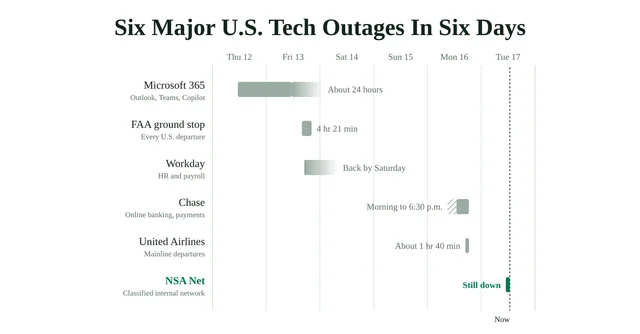
Six Major Technology Outages in Six Days Raise Cybersecurity Concerns Across the United States

Trump, Xi and Putin Hold Historic Summit in Shenzhen, Raising Questions About the Future of Global Power
US Launches ‘Operation Ghostbusters’ to Crack Down on Widespread Federal Student Aid Fraud