Beyond the Classroom: Why a Safe Learning Environment Matters in Shaping the Future of Young Women
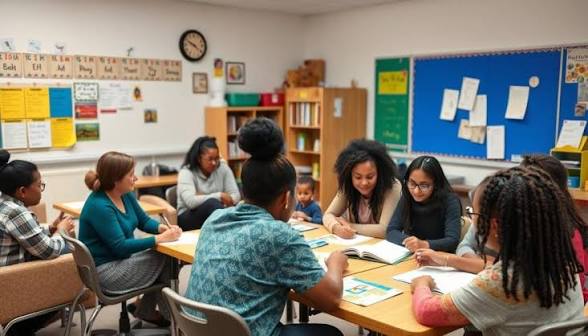
- Students also planned on how to make improvements in the aspects that would enhance their educational experience even more.
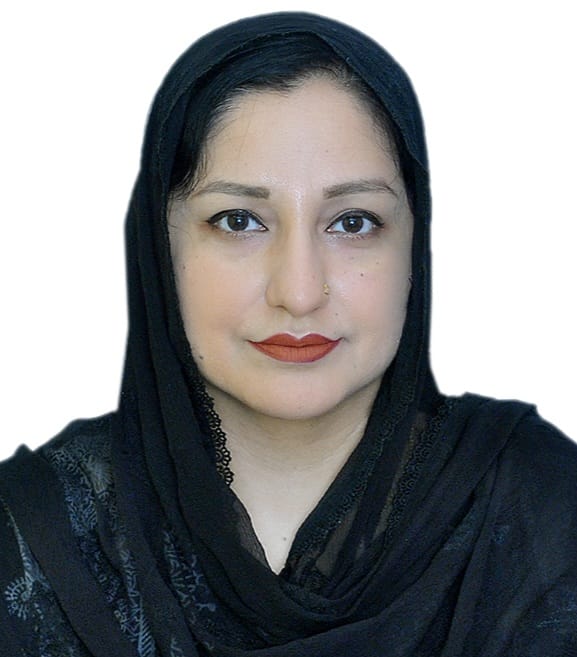
- Head of department (BBA Department)Fazaia Bilquis College of Education for Women, PAF Base, Nur Khan RawalpindiWhat is the point of an educational institution?
- These experiences helped them to become confident, motivated and grew.It is indicative of a more general attitude towards women's education.
Head of department (BBA Department)
Fazaia Bilquis College of Education for Women, PAF Base, Nur Khan Rawalpindi
What is the point of an educational institution? Is it due to the qualification it provides or classrooms it provides or outcomes it generates? While these are all sound ideas, the heart of education is to provide a learning climate where young minds can grow, confidence is fostered and future dreams are cultivated.
When it comes to college placement and choice of subjects, parents are choosing more than just a college or a degree program when sending their daughters to pursue higher education. They wish their daughters to be able to feel safe, valued and empowered in a space. They desire an institution that will educate and nurture, guide and prepare young women for life outside of the classroom.
However, the need for a supportive institutional environment is yet not well appreciated in a society where women’s education is still tightly linked to issues of accessibility, security and social confidence.
Fazaia Bilquis College of Education for Women, Rawalpindi, PAF Nur Khan Base, is a significant example of the link between education, environment and personal development. As it is embedded in a disciplined and organised Air Force environment, it creates a unique context to understand the education experiences of female students.
A qualitative research study was undertaken in the college to examine how the institutional environment of the college and its geographical location affect the educational experiences of women. The study aimed to learn the perceptions of safety, institutional support, academic involvement, motivation and personal growth of female students in conversation with them.
A safe structured and supportive learning environment was one of the most salient reflections of these discussions, and was a priority for students. The good order and security in the college environment were appreciated. The institutional environment was not just a physical environment; it was a part of their educational experience for them.
As an educational institution, this is a very important question to be asked: How does our daughter learn?
The classroom can provide students with knowledge, but the environment around the classroom will impact how comfortable students feel with being there, how confident they feel expressing themselves, and how active they are in participating in classroom opportunities for development. A sense of security and support can go a long way toward opening the door for a student to try something new, involve himself or herself in conversation, or pursue his or her goals.
Education must Inculcate Confidence, not Merely focus on the Qualifications
Teachers and institutional support was another crucial aspect outlined by the students. Guidance, encouragement, learning opportunities, and developing practical skills were appreciated by participants. These experiences helped them to become confident, motivated and grew.
It is indicative of a more general attitude towards women’s education. Academic qualifications are of paramount importance, but not the end goal. It is also the responsibility of educational institutions to equip young women with communication skills, leadership capabilities, independent thinking and self-assuredness in decision making.
A young woman who enters an institution looking for a degree should come out with a lot more – a more powerful sense of self, an understanding of herself and her ability to contribute to her family, profession and society.
But, this is something that needs to be done on an ongoing basis. Students also planned on how to make improvements in the aspects that would enhance their educational experience even more. Some of the areas mentioned were better internet facilities, the use of modern teaching technologies, more workshops and expanded extracurricular activities.
These observations remind us, that safety and discipline are important too, but must go hand in hand with education innovation. Modern resources, hands-on learning and work opportunities, and the development of skills needed for an increasingly competitive world are required for today’s students.
Important Message for Women Education in Pakistan
The lessons learnt from this small study at Fazaia Bilquis College of Education for Women can be helpful in the context of a larger educational challenge. Pakistan-wide, institutions need to understand that measuring the quality of women’s education can’t be done through enrolment, exam scores or degrees.
The physical setting, institutional culture, teacher support, and technological facilities and opportunities for personal development should be considered. Educators, parents and policy makers must help create learning environments free of obstacles for young people to learn and to feel confident in pursuing their aspirations.
Educational institutions will not be held solely responsible. Families need to encourage their daughters to take as many opportunities as possible, communities need to appreciate women’s educational successes and institutions need to strive for better learning environments.
The study was conducted with students, and cannot be representative of the experience of students in general, but it is important to remember that students’ voices matter. The experiences they share can provide institutions with insights into their strengths, as well as their limitations and the possibilities for building more responsive learning environments.
But the aim of women education is not merely to prepare the students for examination and confer the degree upon them. To equip them for life, leadership and their responsibilities in the workplace and in society.
The ability of an educational institution to produce a large number of graduates is just one of the achievements which we can mention as an example; the confidence, character and capabilities that each graduate brings to the world is perhaps the greatest achievement of an educational institution.
If a young lady can find a place where she feels like she can get an education without feeling like it’s going to take over her life, where she feels supported, where she feels strong enough to dream, where she feels safe enough to learn, then education is not just about a piece of paper. It evolves into a first step towards empowerment.
Ph.D Scholar Assistant professor
Frequently Asked Questions
What is the latest update on young women?
They desire an institution that will educate and nurture, guide and prepare young women for life outside of the classroom.However, the need for a supportive institutional environment is yet not well appreciated in a society where women's education is still tightly linked to issues of accessibility, security and social confidence.Fazaia Bilquis College of Education for Women, Rawalpindi, PAF Nur Khan Base, is a significant example of the link between education, environment and personal development.
What are the key takeaways and impact?
It is also the responsibility of educational institutions to equip young women with communication skills, leadership capabilities, independent thinking and self-assuredness in decision making.A young woman who enters an institution looking for a degree should come out with a lot more – a more powerful sense of self, an understanding of herself and her ability to contribute to her family, profession and society.But, this is something that needs to be done on an ongoing basis.
IOC mourns death of Anita DeFrantz, Olympic pioneer and champion for women in sport

The Forgotten Humanity Behind Closed Doors
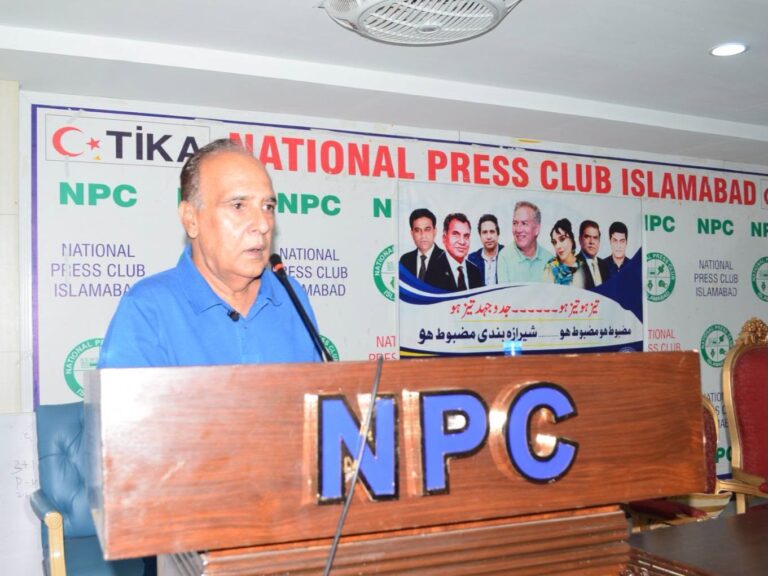
Farooq Mirza Pays Tribute to Journalist Tariq Usmani, Praises His Commitment to Journalists’ Rights and Professional Principles

Pakistan’s New Provinces: The Referendum and Constitutional Question

THE WEALTH BENEATH PAKISTAN — AND THE QUESTIONS ABOVE IT