by: Farooq Mirza
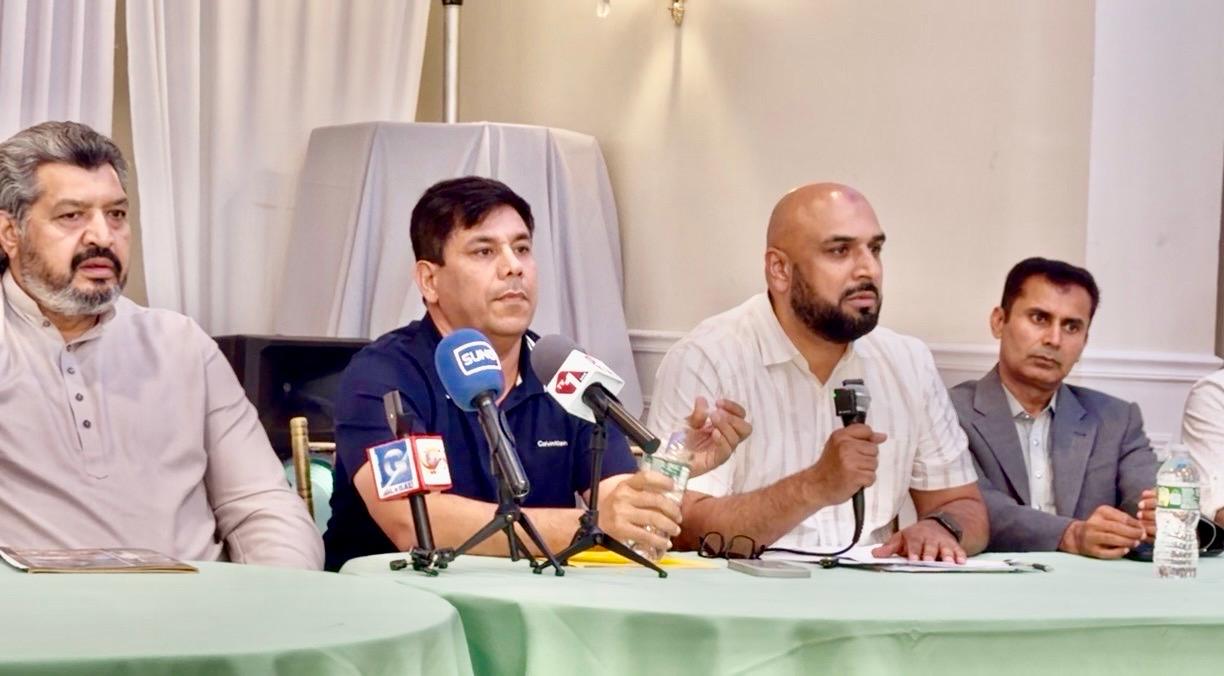
New York: A long-running dispute within the Pakistan Day Parade Committee has escalated into a full-blown public confrontation, exposing deep divisions over governance, financial transparency, elections, constitutional authority and control of the annual Pakistan Day Parade held in Manhattan.
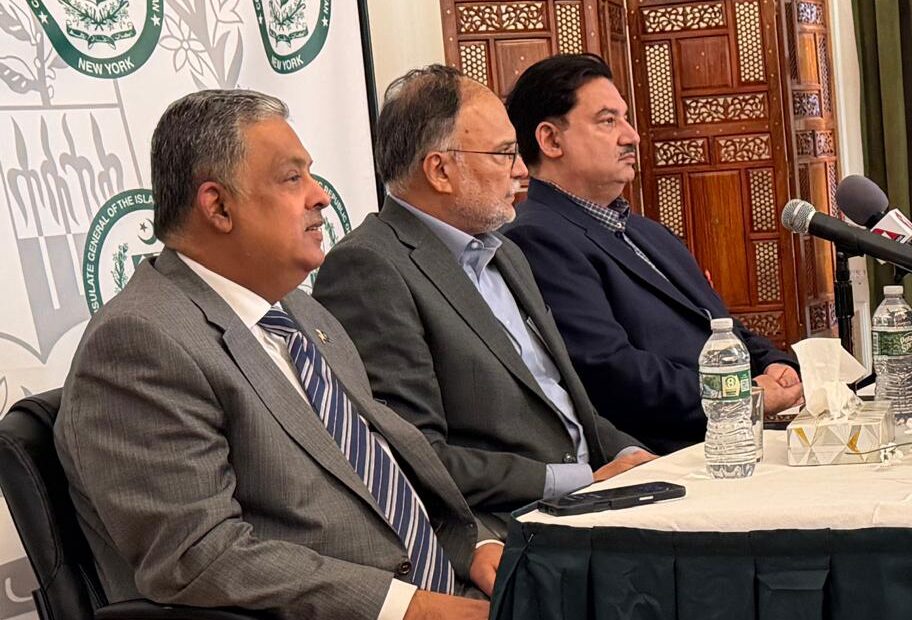
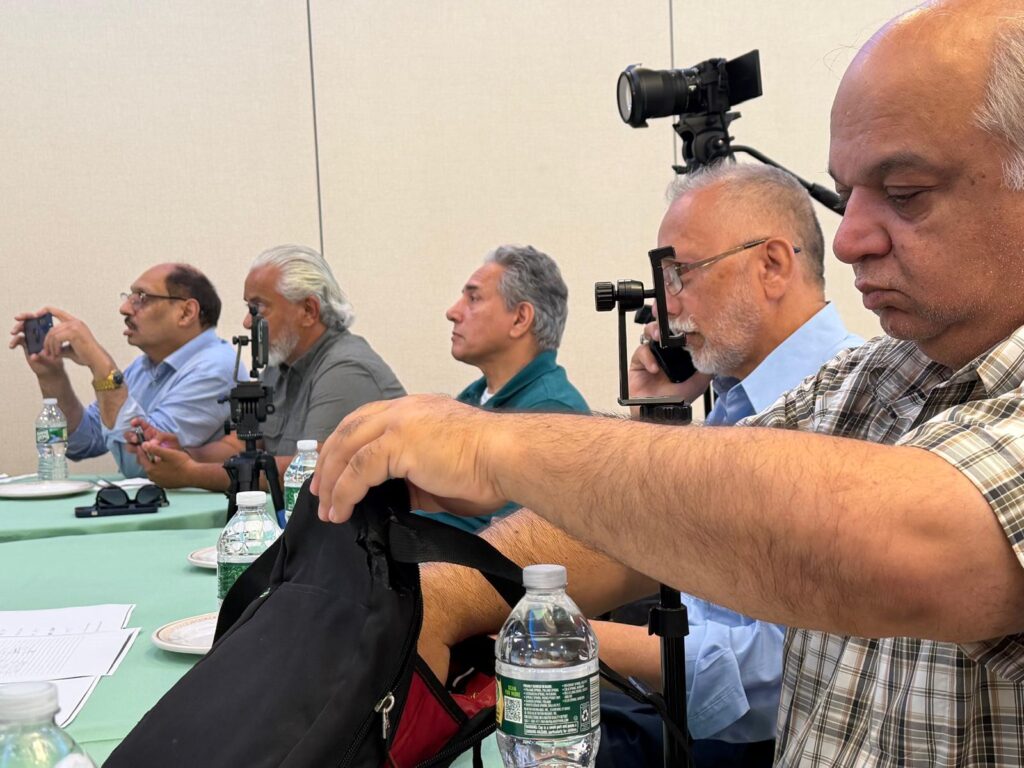
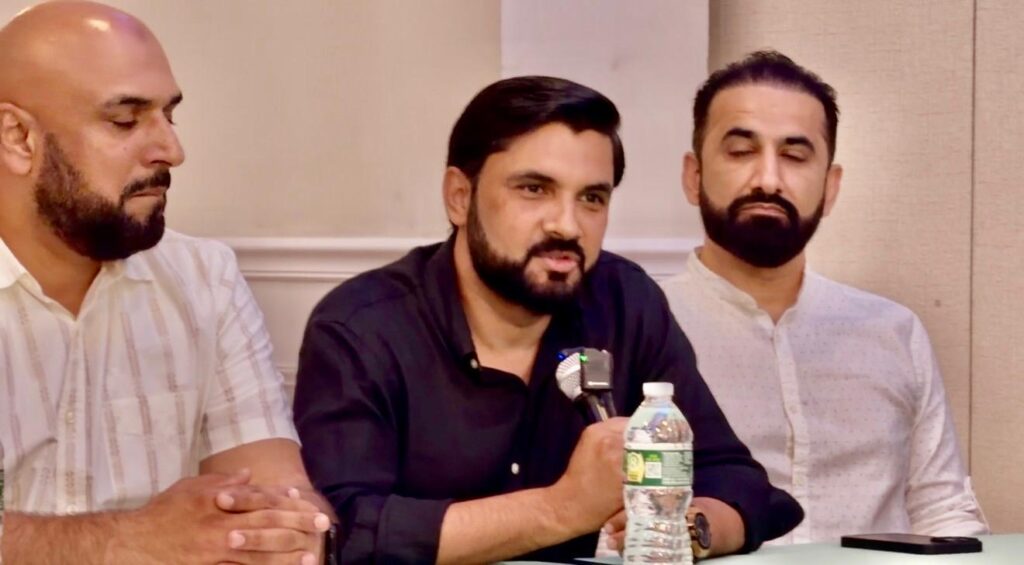
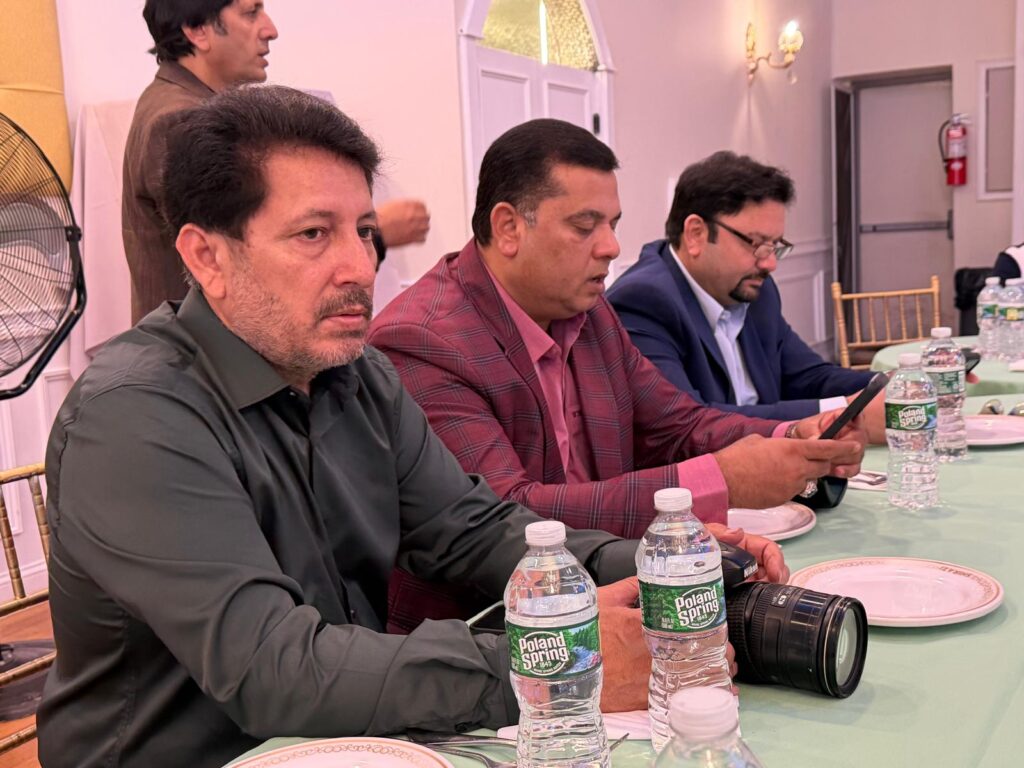
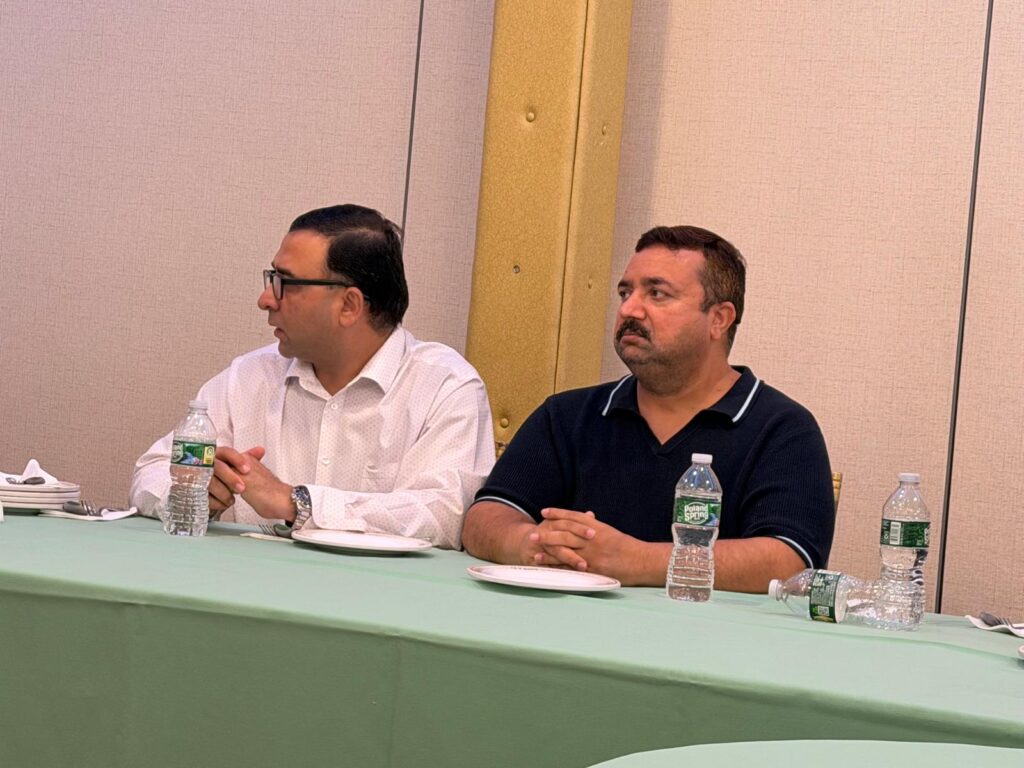
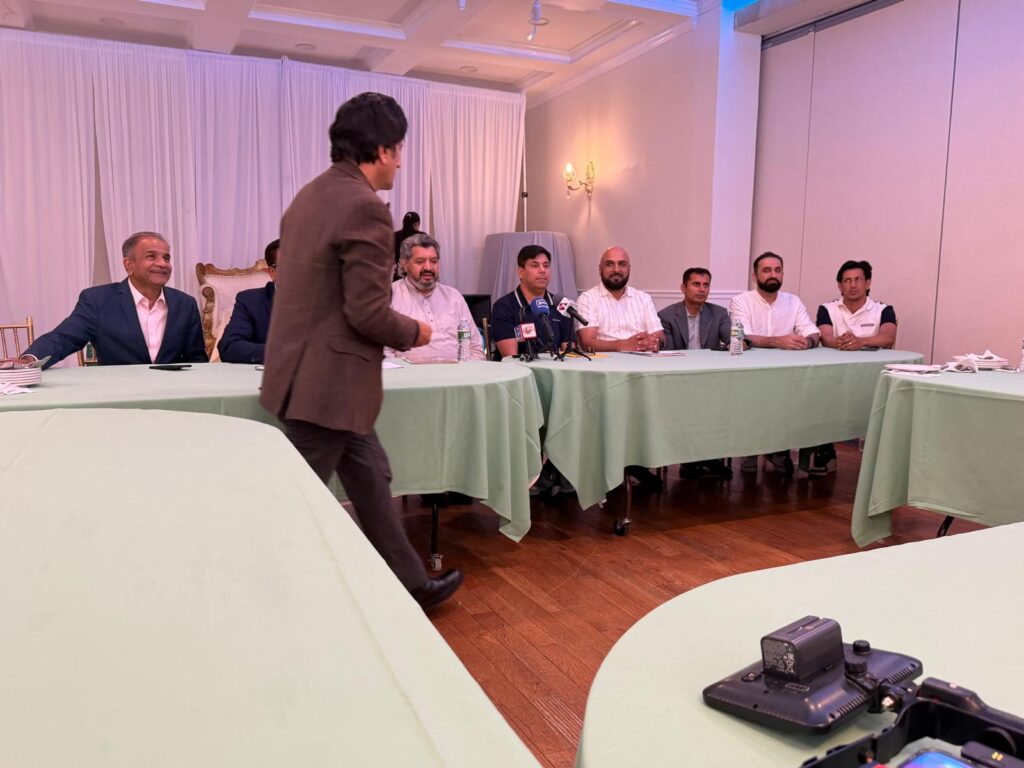
During an emergency press conference attended by members of the Pakistani-American media, elected committee Secretary General Haroon Rama , outlined what they described as a prolonged struggle to reform the organization, restore transparency and expand community participation. They alleged that a small group has maintained control of the parade for years despite declining public confidence and participation.
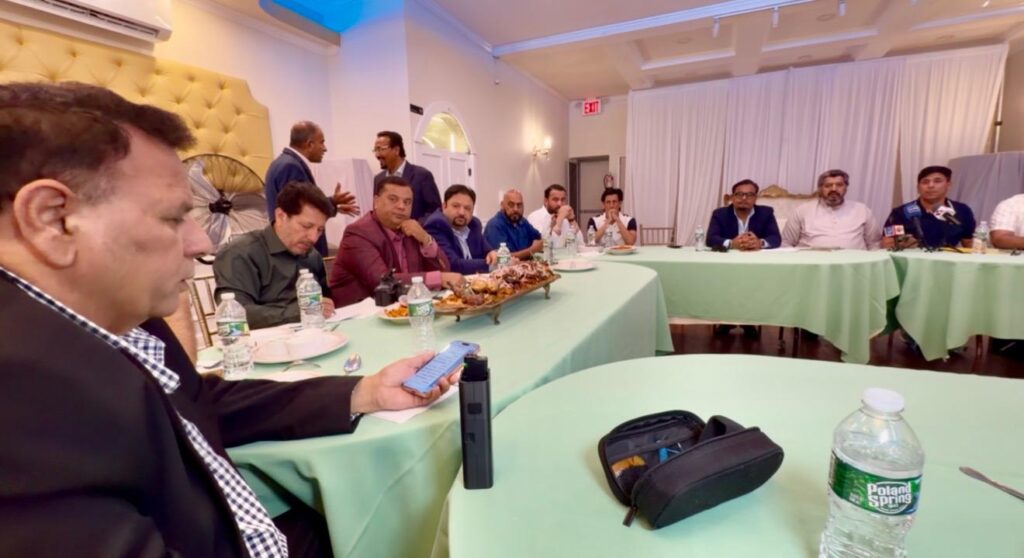
According to the speakers, the Pakistan Day Parade was once one of the largest Pakistani community events in New York, attracting tens of thousands of participants. However, they claimed that years of centralized decision-making, lack of transparency and internal conflicts have steadily reduced attendance to only a few hundred participants.
Committee members stated that throughout 2025 they worked to introduce constitutional reforms aimed at opening the organization to the wider Pakistani-American community. They argued that the parade belongs to the entire community rather than any individual or group.
According to the elected leadership, all thirteen members of the existing Board of Trustees were invited to participate in constitutional reforms. Ten members attended the meeting, where amendments to the organization’s bylaws were approved. The amended constitution established an Executive Council responsible for overseeing operations and conducting elections within four weeks after the annual parade.
To ensure impartiality, organizers said an independent third-party election commission was appointed to supervise the election process. They emphasized that previous committee leadership had relied on selections rather than transparent elections.
The committee said elections were officially held on September 5, 2025. Members were allowed to nominate themselves or any eligible candidate through a formal ballot process supervised by the independent election commission. Election results were certified, documented and officially recorded.
Following the elections, committee members initiated another process inviting nominations for additional Board members to broaden community participation. After reviewing qualifications and community contributions, nine new Board members were approved and formally inducted.
According to committee officials, all constitutional procedures were documented, notarized and circulated among members.
Despite the elections, elected officials alleged that they were later sidelined by members of the previous leadership.
They claimed that elected office bearers, including the Chairman, President and Secretary General, were effectively excluded from committee affairs while separate meetings were allegedly held without informing the elected leadership.
The speakers argued that individuals who had been elected through a documented constitutional process were being ignored, while new individuals were allegedly being introduced into the organization without following the bylaws.
Committee representatives questioned the purpose of conducting elections if elected officials could simply be bypassed afterward.
“If elected representatives have no authority, then holding elections becomes meaningless,” one speaker stated.
They further argued that any organization can only function effectively if its constitution and bylaws are respected equally by all members.
Committee members raised concerns regarding management of the organization’s bank accounts and expenditures.
According to the speakers, questions have been raised regarding cash withdrawals, grocery store purchases and personal expenses allegedly paid using committee funds.
They further alleged that approximately $2,400 was transferred after a committee bank account had reportedly been closed and reopened without proper authorization.
The elected officials argued that financial records should be independently reviewed to restore community confidence.
They stressed that every dollar donated by community members belongs to the Pakistani-American community and should be managed with complete transparency and accountability.
Current committee officials questioned why the annual parade permit continues to be registered under an individual’s name instead of the officially elected leadership as required under the committee’s constitution.
Responding to questions from journalists, Pakistan Day Parade President Qasim Majeed said discussions with the opposing group would continue, but if no resolution is reached, legal proceedings may become unavoidable.
“If they refuse to recognize the constitutional process, then ultimately the courts will have to decide,” he said.
When asked how the parade permit would be secured, he acknowledged that the permit remains a major issue but maintained that the committee would pursue all legal options available.
Committee leader Mr Jan argued that under the amended constitution, the newly elected Chairman should have the authority to apply for future parade permits rather than allowing one individual to maintain permanent control.
The elected committee also alleged that they had received threats regarding their participation in the upcoming parade.
According to the speakers, they were warned that photographs of elected committee members would allegedly be provided to police with requests that they be prevented from entering the parade.
The officials strongly rejected these allegations and stated that no individual has the authority to exclude elected representatives from an event that belongs to the entire Pakistani-American community.
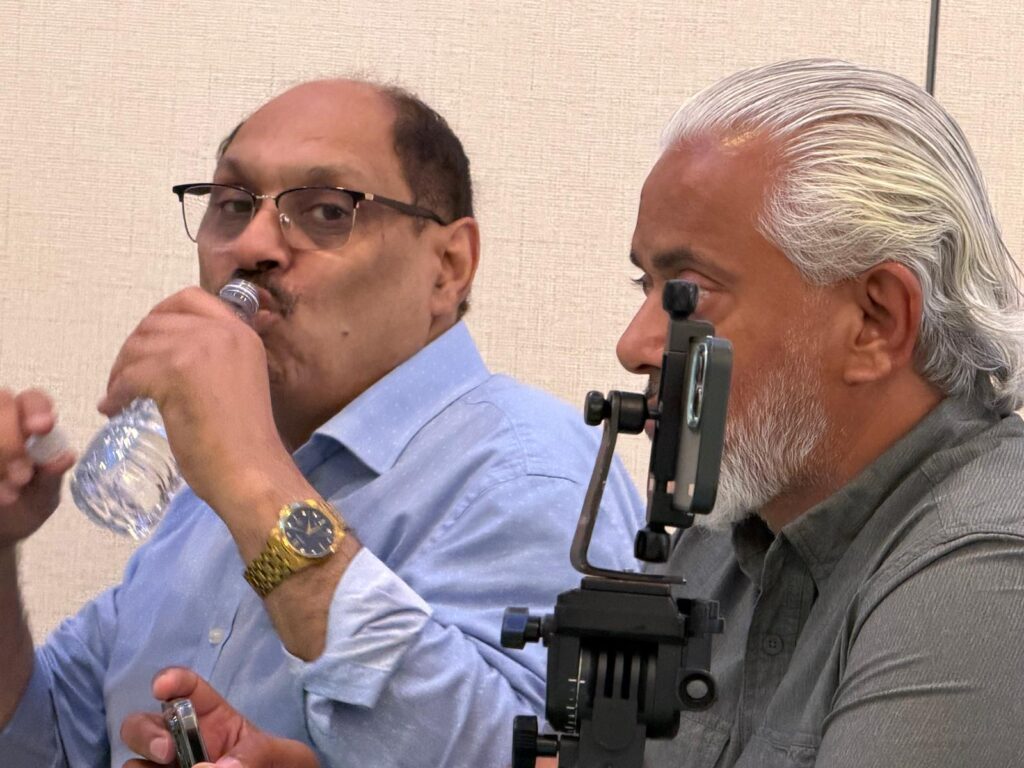
One community leader, Ch Zameer who described himself as neutral and unaffiliated with either faction, urged both sides to resolve their differences through dialogue.
“I do not belong to either group,” he said. “My only objective is to see Pakistan Day Parade succeed. I have been raising slogans for this parade for fifteen years, and it pains me to see this conflict.”
He acknowledged the sacrifices already made by several committee members and praised recent efforts to compromise, urging all parties to put personal differences aside for the greater good of the community.
He further proposed expanding youth participation by engaging universities, colleges and social media platforms such as Instagram to rebuild the parade into a larger community event.
The mediator also revealed that meetings had already taken place with community leaders and officials from the Consulate of Pakistan in an effort to bring both groups together.
During the discussion, businessman Shahid Warach presented a broader vision for restructuring the Parade Committee.
He argued that many Pakistani-American organizations remain personality-driven rather than institution-based.
According to Shahid Sahib , the Pakistan Day Parade represents Pakistan itself and therefore should never remain under the control of a small group.
He proposed creating a paid membership structure open to the entire community.
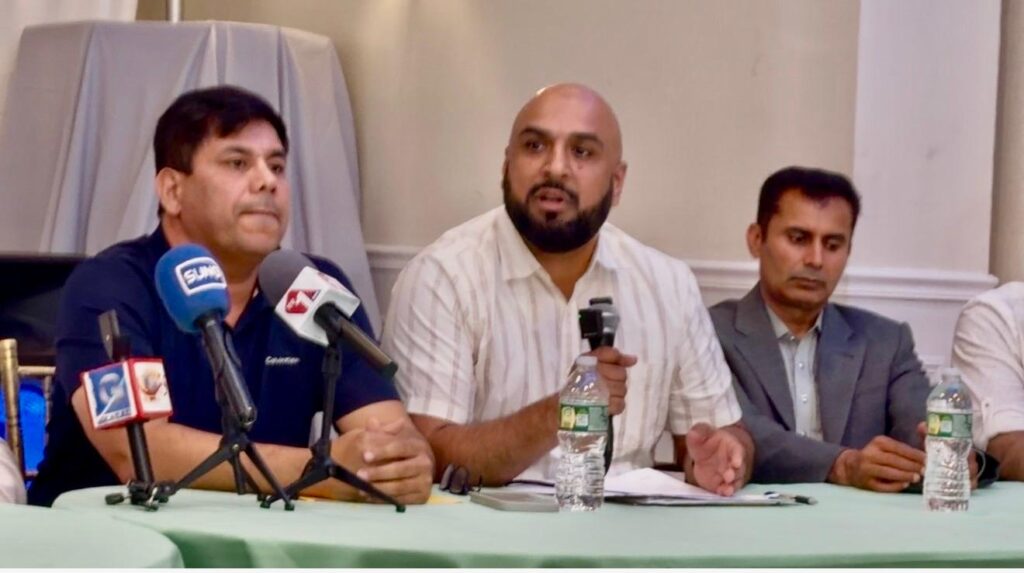
Under his proposal, different areas including Brooklyn, Queens, Long Island and other regions would elect representatives who would form a Board of Trustees through a transparent democratic process.
He argued that only a membership-based organizational structure can ensure continuity, accountability and long-term stability.
“As long as only a few individuals control the organization, the same problems will continue,” he said.
Pakistan Day Parade Chairman Ahmed Khan expressed disappointment over the public nature of the dispute.
He said it was painful to publicly discuss internal committee matters but argued that remaining silent would cause greater damage to one of the Pakistani-American community’s oldest and most respected institutions.
Ahmed Khan emphasized that the objective of the press conference was not to attack individuals but to protect the integrity of the Pakistan Day Parade and restore public confidence.
He stated that after presenting all relevant documents, constitutional amendments and election records, the matter would now be left before the community and the media.
Qasim Majeed concluded by warning that if constitutional rights of the elected leadership continue to be ignored, they may seek legal remedies.
Qasim Majeed stressed that litigation remains their last option because any prolonged legal battle could negatively affect the future of the Pakistan Day Parade.
Nevertheless, they maintained that protecting democratic governance, constitutional authority and financial transparency is essential for preserving the credibility of the organization.
Despite the sharp differences, several speakers expressed hope that mediation efforts would succeed and that all stakeholders would ultimately unite behind a stronger, more transparent and community-driven Pakistan Day Parade.
The unfolding dispute has become one of the most significant governance crises in the history of New York’s Pakistan Day Parade, with many in the Pakistani-American community now closely watching whether dialogue, mediation or the courts will determine the future direction of one of its most prominent annual events.