By – Farooq Mirza
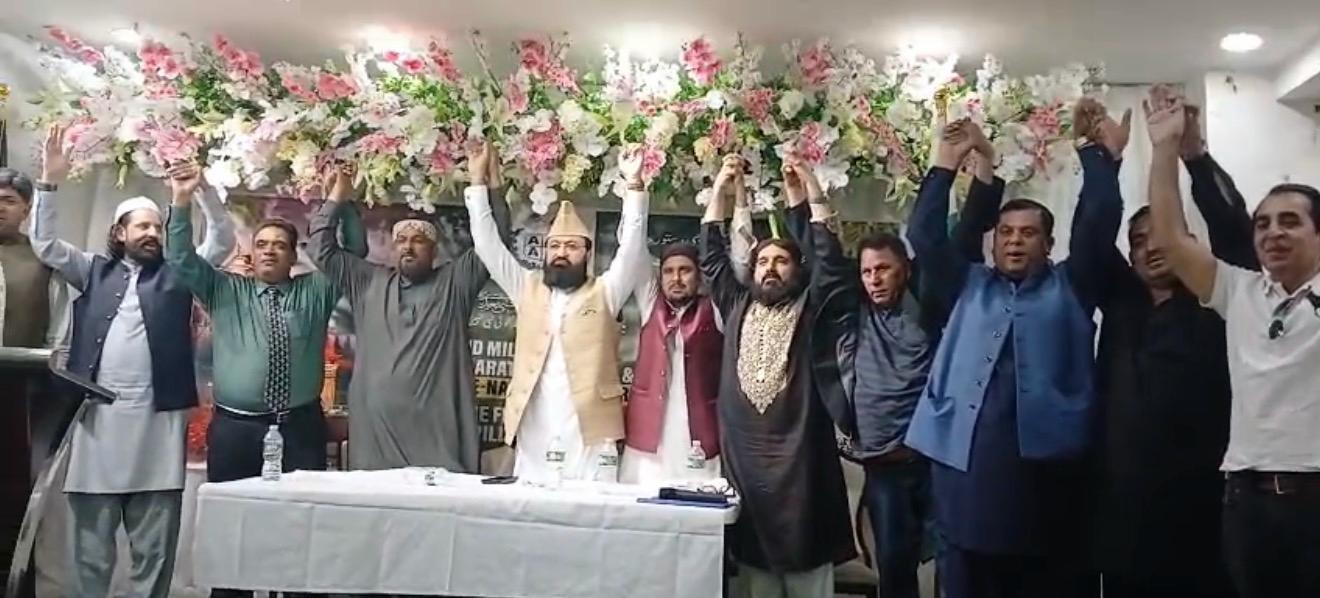
A prominent organization of the Pakistani-American community organized a special Seerat , Shahadat and Khatm-e-Nabuwwat Conference in Coney Island, Brooklyn, New York, bringing together a large number of community members, religious scholars, women, youth, speakers and Naat reciters.
The conference was organized with the aim of highlighting the life, character, teachings and exemplary conduct of Prophet Muhammad (PBUH) and emphasizing the importance of following his teachings in everyday life. Speakers also stressed the need to educate younger generations, particularly American-born Pakistani and Muslim children, about Islamic beliefs, the Seerah of the Prophet (PBUH) and the importance of preserving their religious and cultural identity.
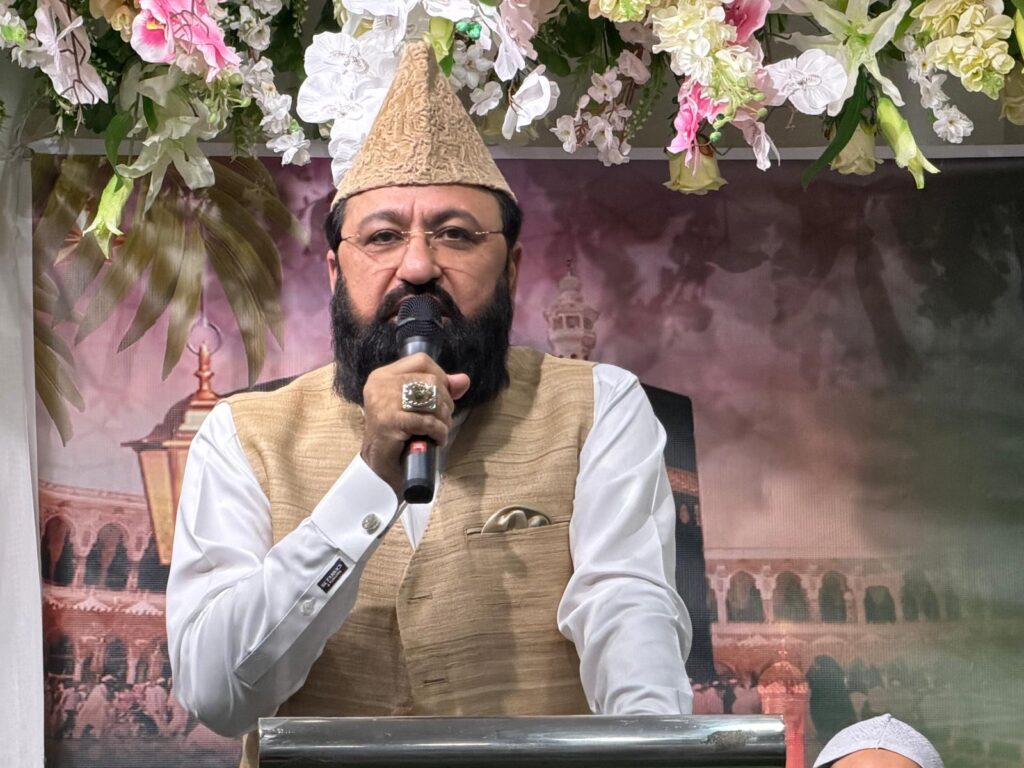
A large number of women and families attended the event, while scholars and community leaders delivered speeches on various religious and social issues. The gathering also featured Naat recitations and religious poetry in praise of the Prophet Muhammad (PBUH).
The chief guest of the event was Maulana Tasawwur Gilani , who delivered a passionate and detailed address focusing on the significance of the Prophet Muhammad (PBUH), the teachings of the Holy Quran and different aspects of the Prophet’s exemplary character and life.

Other speakers and participants included Zahid Shah , Shams-ul-Zaman, Umar Farooq, Nasir Ali, Hafiz Sohail Rehmat, Bushra , Raheela Firdous, Gulnaz, Ahmed Farooq Mirza, Arshad Hussain, Tauqeer-ul-Haq , Ramas Tauqeer and Muhammad Saqlain , among others. The speakers emphasized that such religious and educational gatherings should continue to be organized within the community to promote awareness among Muslims, especially the younger generation.
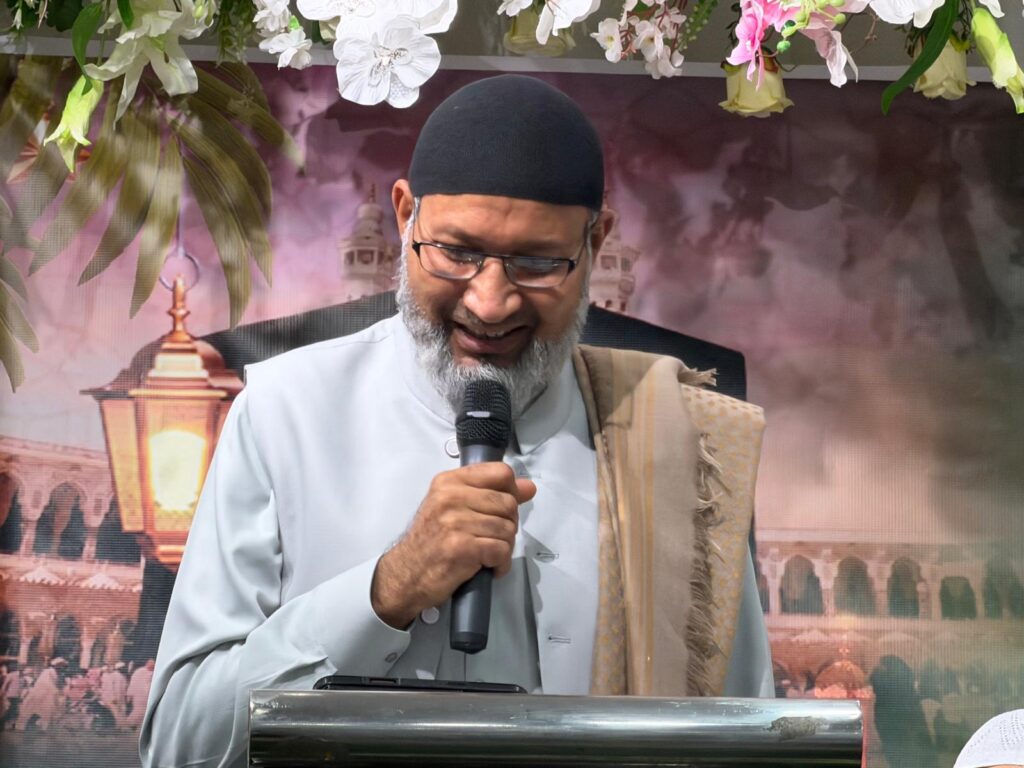
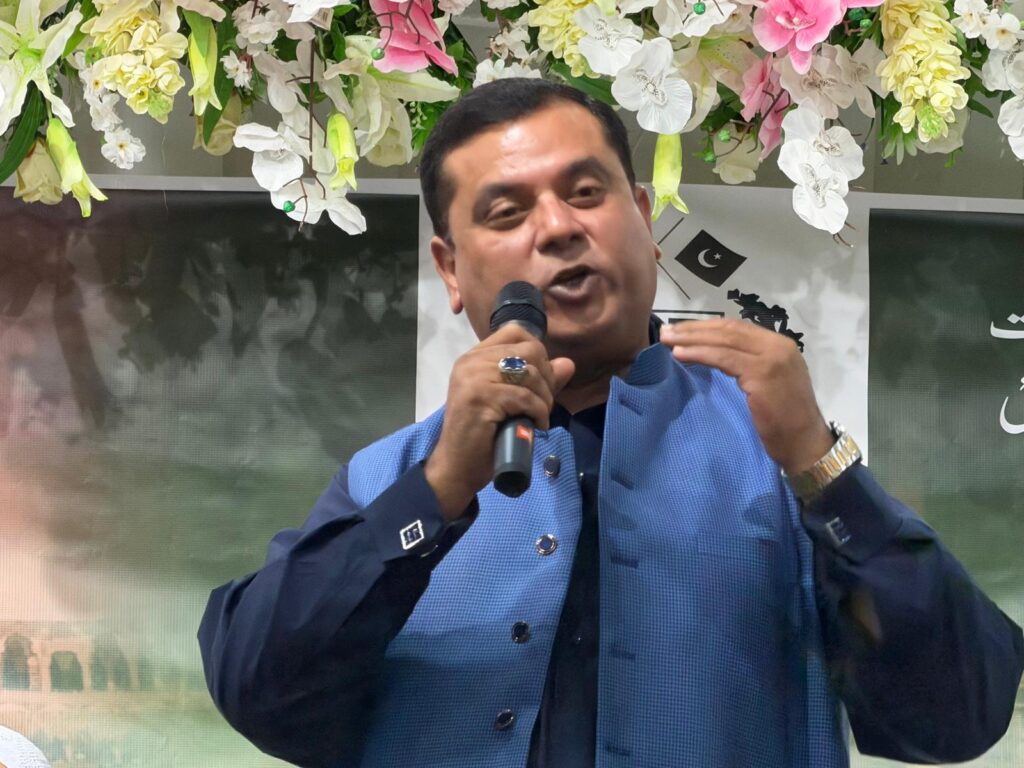
Addressing the gathering, Farooq Mirza said that the honor and dignity of Muslims are deeply connected with their love and respect for the Prophet Muhammad (PBUH). He called upon religious scholars and community leaders to play a more active role in educating the Muslim community about Islamic beliefs and the importance of Khatm-e-Nabuwwat.
He said that Muslim scholars should explain the concept of Khatm-e-Nabuwwat in simple language through sermons, Friday prayers and community programs so that young people can clearly understand the fundamental beliefs of Islam.
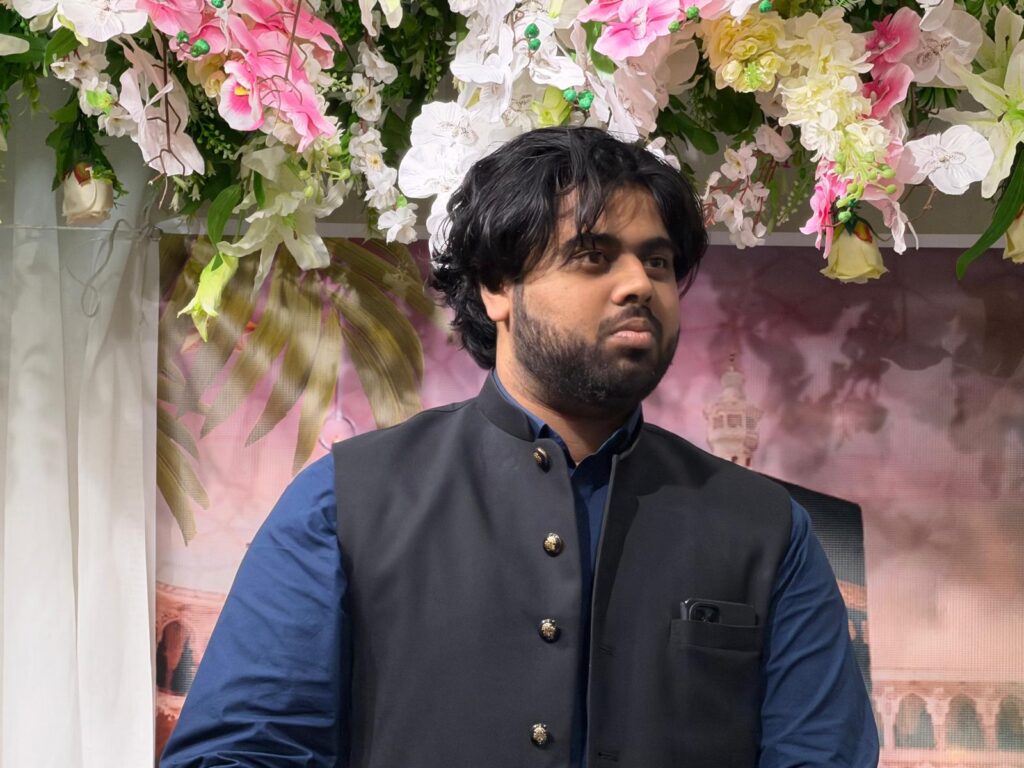
Mirza also spoke about the challenges faced by Muslim families living in the United States and stressed the need for parents and community leaders to educate children about their faith. He said that religious awareness was particularly important for American-born children who grow up in a multicultural environment.
He urged scholars to address religious issues responsibly and consistently and called for greater efforts to strengthen Islamic education among young Muslims.
He also praised the organizers for arranging the conference and thanked the media and community members for their participation.
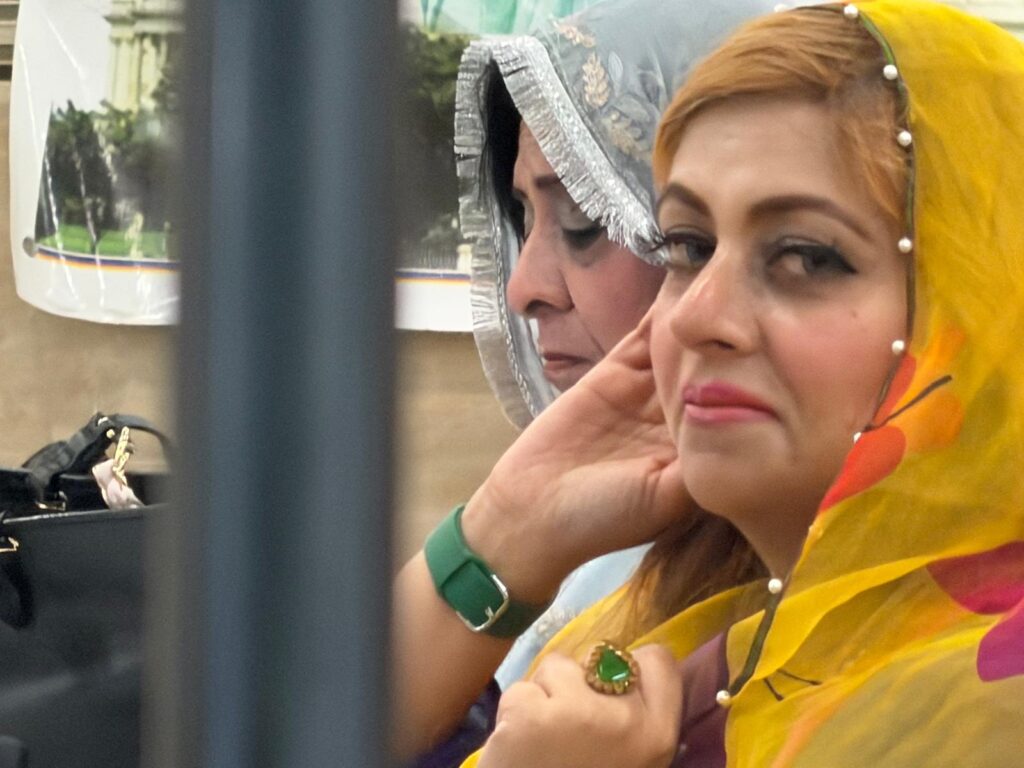
The gathering echoed with slogans in support of Khatm-e-Nabuwwat, while participants expressed their commitment to continuing such events in the future.
Speaking at the conference, Tauqeer-ul-Haq, Chairman APAC one of the organizers, said that the event was part of a series of religious gatherings that the organization has been arranging for several years.
He said that the organization had been holding such programs since its establishment in 2017 and intended to continue organizing conferences and religious gatherings in different boroughs of New York, including Brooklyn, Queens and the Bronx.
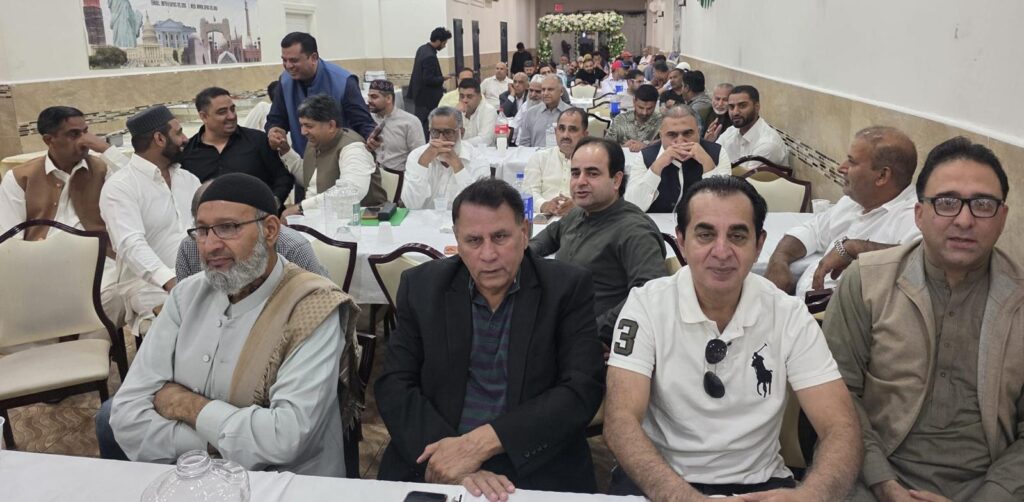
Tauqeer-ul-Haq said the conference covered three major themes: Shahadat, Seerat and Khatm-e-Nabuwwat . However, due to the length of the program, he focused primarily on the importance of Khatm-e-Nabuwwat and the need to educate the younger generation.
He emphasized that belief in the finality of Prophethood is a fundamental belief of Islam and said that parents have a particularly important role in teaching this belief to their children.
Addressing mothers and families in particular, he said that Muslim children born and raised in the United States may not always have the same religious environment that children experience in Muslim-majority countries. Therefore, parents, religious scholars, community activists and leaders must work together to provide children with proper religious education.
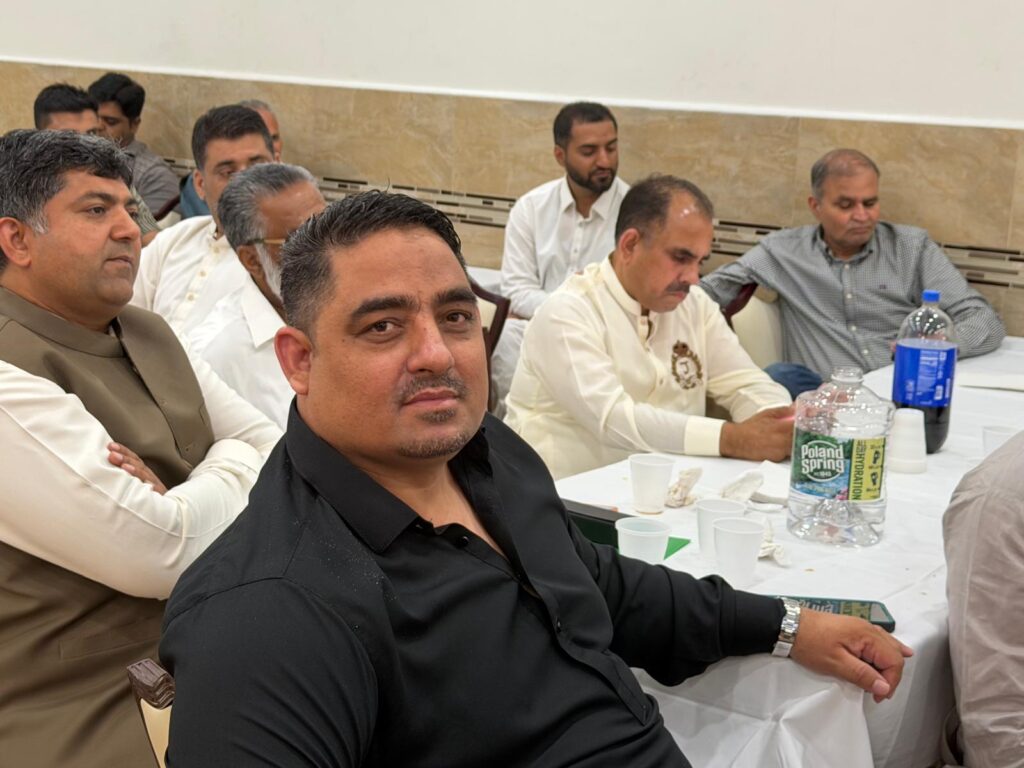
He stressed that young Muslims should be taught about their faith in an appropriate and responsible manner so they can understand their religious identity and beliefs.
Tauqeer-ul-Haq also urged parents to remain actively involved in their children’s religious education and to create opportunities for them to learn about Islamic teachings, the Seerah of the Prophet (PBUH) and the importance of Khatm-e-Nabuwwat.
During his address, Maulana Tasawwur Gilani , the Chief Guest spoke extensively about the status and importance of Prophet Muhammad (PBUH), the Holy Quran and the Prophet’s exemplary character.
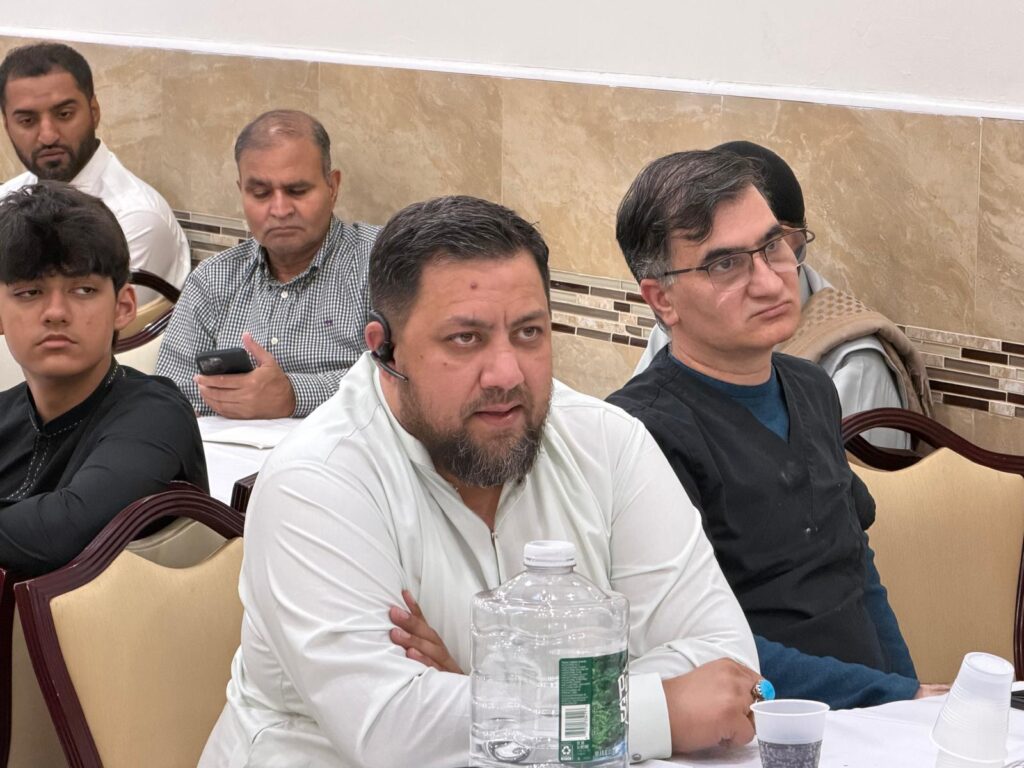
In a passionate speech, he highlighted the Prophet’s teachings and his role as the perfect model of morality and conduct for Muslims. He said that the life of the Prophet Muhammad (PBUH) provides guidance for every aspect of human life.
The speaker also recited poetry in praise of the Prophet (PBUH) and Ahl al-Bayt, reflecting on their sacrifices, devotion and contributions to Islamic history.
The address also included references to the events of Karbala and the sacrifices of Imam Hussain (RA) and his companions, emphasizing the enduring message of truth, courage and steadfastness.
[ml_gallery id=”13130″]
A female speaker Bushra at the conference said that she did not consider herself a formal religious scholar or public speaker but wanted to share her thoughts from the heart.
She said that the conference provided an important opportunity to discuss the life and teachings of Prophet Muhammad (PBUH), particularly the importance of understanding his way of life, habits, manners and moral character.
She explained that the concept of Seerah encompasses the life, character, habits, conduct and way of life of the Prophet (PBUH), while the Hadith provides a vital source of knowledge about his sayings and practices.
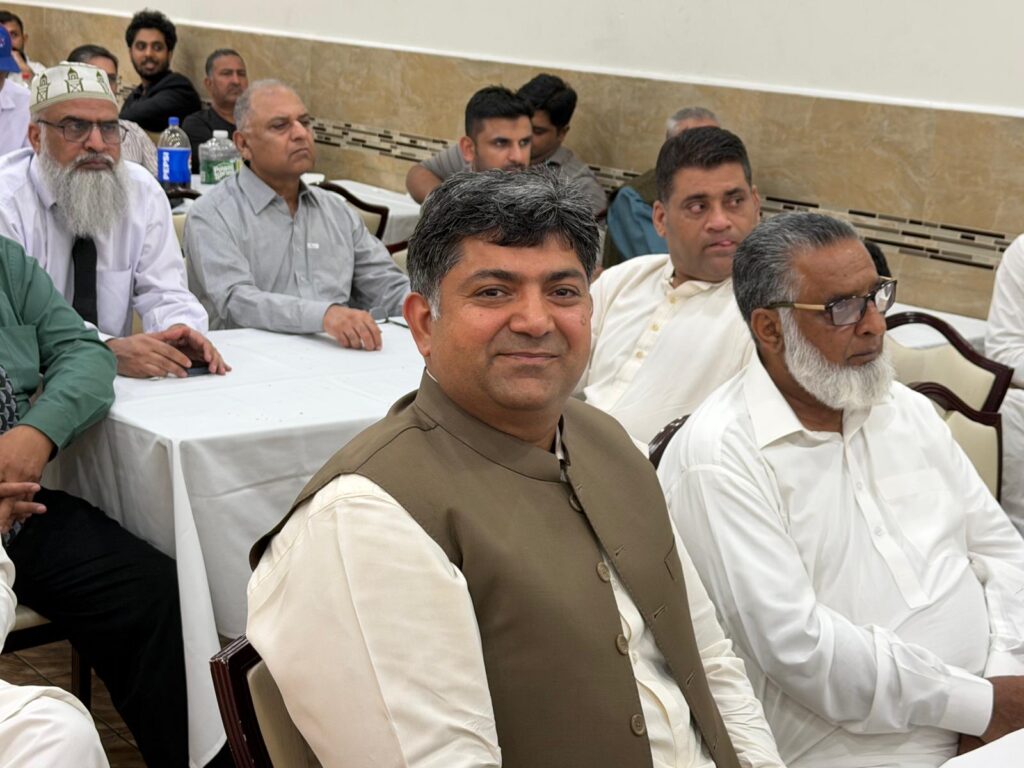
Ms Bushra discussed the concept commonly referred to as Tibb-e-Nabawi , emphasizing the importance of understanding such topics accurately and avoiding confusion between the Prophet’s role as a Messenger of Allah and discussions about health practices associated with his teachings and traditions.
She said that the Prophet Muhammad (PBUH) was sent by Allah to convey divine guidance and teach humanity about morality, ethics and righteous living.
Zahid Shah Moderator collectively stressed that religious conferences and educational programs should continue to be organized across the Pakistani-American and wider Muslim community.
He emphasized that parents, scholars, community leaders and educators have a shared responsibility to help younger generations understand their faith while living in a diverse society.
Shamas Zaman particularly called for greater engagement with young Muslims and encouraged mosques and community organizations to arrange regular educational programs on the Seerah of the Prophet (PBUH), Islamic teachings and the fundamental beliefs of Islam.
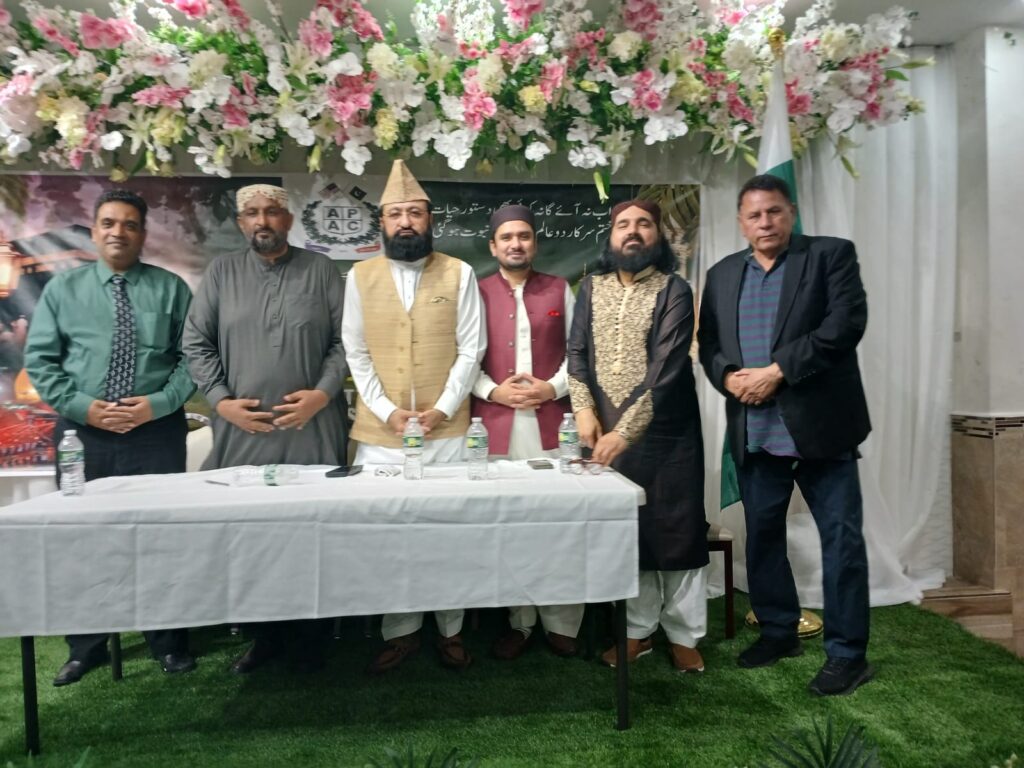
The event concluded with prayers, Naat recitations and expressions of appreciation for the organizers, speakers, religious scholars, women and community members who participated.
Mr Shan APAC Executive reaffirmed their commitment to arranging similar programs in the future and said that gatherings centered on the Seerah of Prophet Muhammad (PBUH), religious education and community awareness would continue to be held in different parts of New York.
Mr Khurrum APAC Executive said our Organisation served as a platform for religious reflection, community engagement and education, with urging families and community leaders to strengthen the connection of younger generations with the teachings, character and exemplary life of Prophet Muhammad (PBUH).
Addressing the conference, Ramas Tauqeer said that the birth of Prophet Muhammad (PBUH) was the greatest source of joy for the entire universe . They described the arrival of the Prophet (PBUH) as a blessing for all humanity, saying that his coming brought an end to the darkness of ignorance and gave humanity a new understanding of life, morality and human dignity.
He emphasized that a Muslim’s faith cannot be complete without firm belief in the finality of Prophethood (Khatm-e-Nabuwwat). He said that Prophet Muhammad (PBUH) is the final Prophet and Messenger of Allah, and that the chain of Prophethood came to an end with him. According to the speakers, no new Prophet will come after him until the Day of Judgment.
Tauqeer Ul Haq described the belief in Khatm-e-Nabuwwat as one of the fundamental beliefs of Islam and said that Muslims must remain firmly committed to this belief while educating future generations about its significance.
Tauqeer also paid tribute to the exalted status, mercy and noble character of Prophet Muhammad (PBUH), saying that his life is the best example for all of humanity. They highlighted that the Prophet (PBUH) delivered the message of “monotheism, justice, equality, brotherhood, compassion and humanity”
Molana Tasawar Gilani said that before the advent of Prophet Muhammad (PBUH), society was deeply affected by ignorance, idol worship and various social evils. The Prophet (PBUH) called people toward the worship of One Allah and taught humanity that all people are created by the same Creator.
One of the speaker Arshad Hussain , President , APAC , while addressing the gathering on the topic of Seerat-un-Nabi (PBUH) , said that being given the opportunity to speak about the life of the Holy Prophet (PBUH) was a great honor and a deeply emotional moment for him.
He said that the “Seerah of Prophet Muhammad (PBUH) is the greatest treasure of a believer’s life and a source of success for humanity”.
In APAC Conference , Overall, the speakers emphasized that the Seerah of Prophet Muhammad (PBUH) provides Muslims with a complete model for life, while the belief in the finality of Prophethood is a fundamental foundation of Islamic faith. They urged community members, particularly parents and young people, to study the Seerah, practice its teachings in their daily lives and pass its message on to future generations.