by: Farooq Mirza
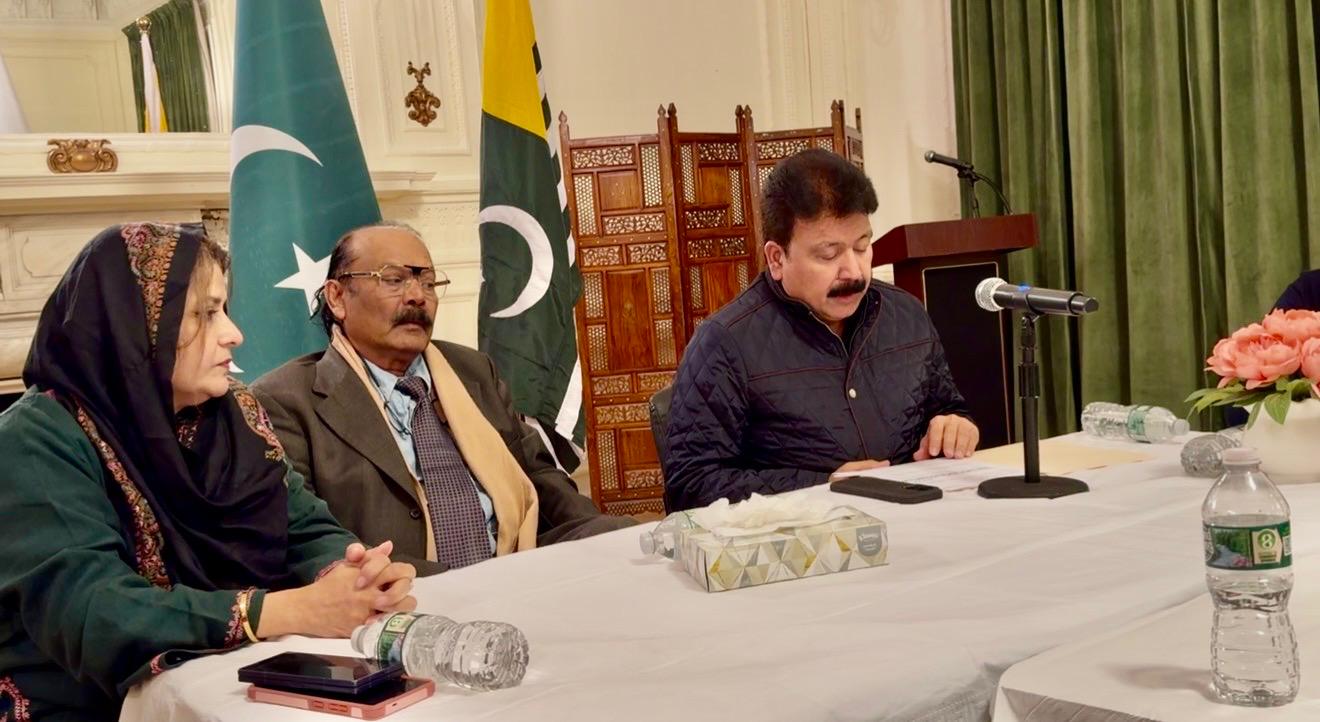
A Kashmir solidarity event was organized at the Consulate General of Pakistan in New York to express solidarity with the people of Jammu and Kashmir and highlight the longstanding Kashmir dispute at the international level.
Federal Minister and Chairman of the Parliamentary Committee on Kashmir, Rana Muhammad Qasim Noon, attended the event as a special guest. The event was presided over by Pakistan’s Consul General in New York, Aamir Attozai, while Kashmiri-American leader Ghazala Habib from Texas moderated the proceedings.
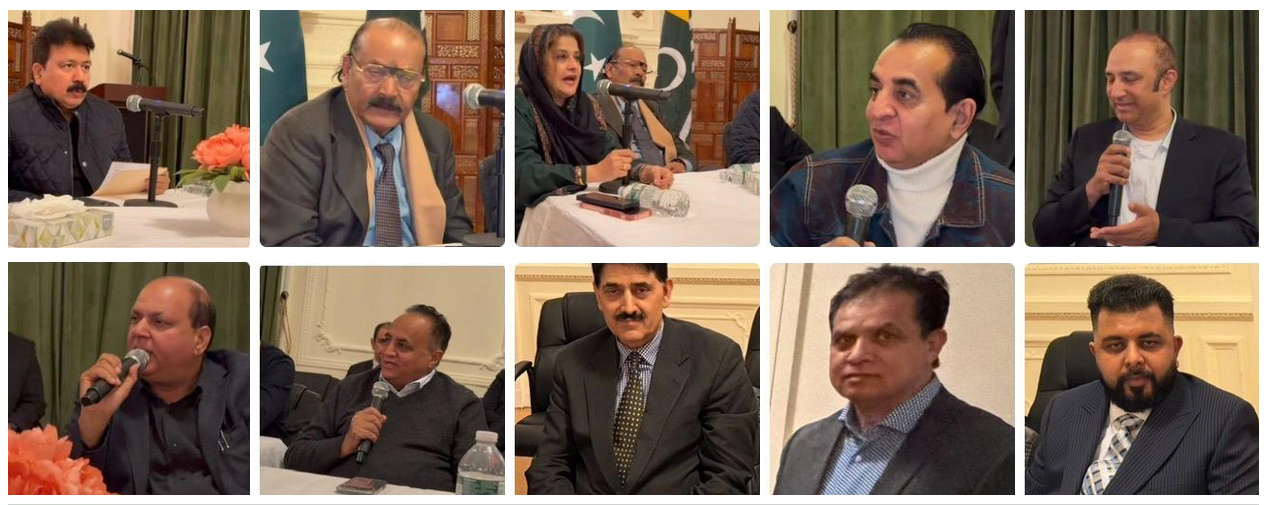
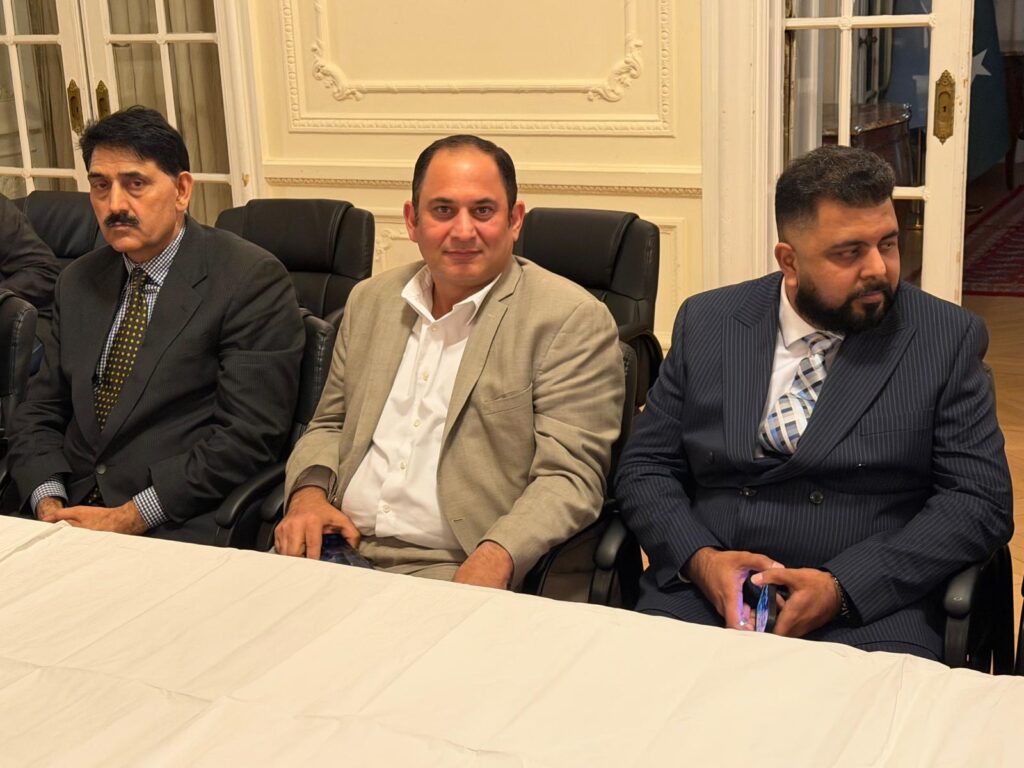
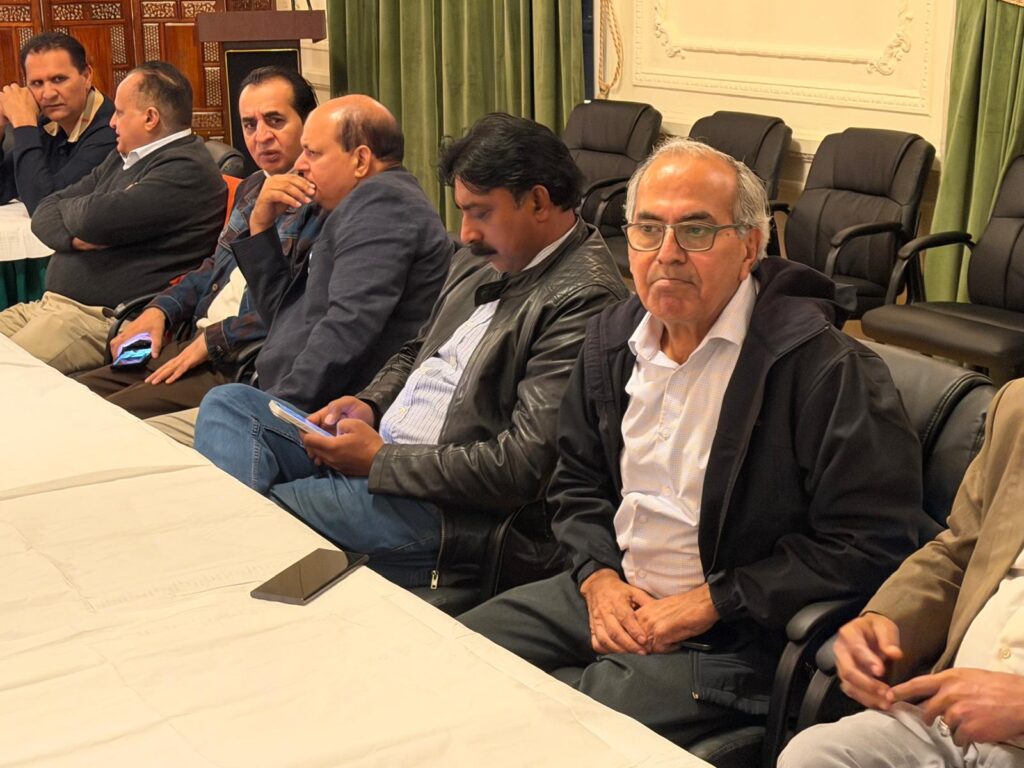
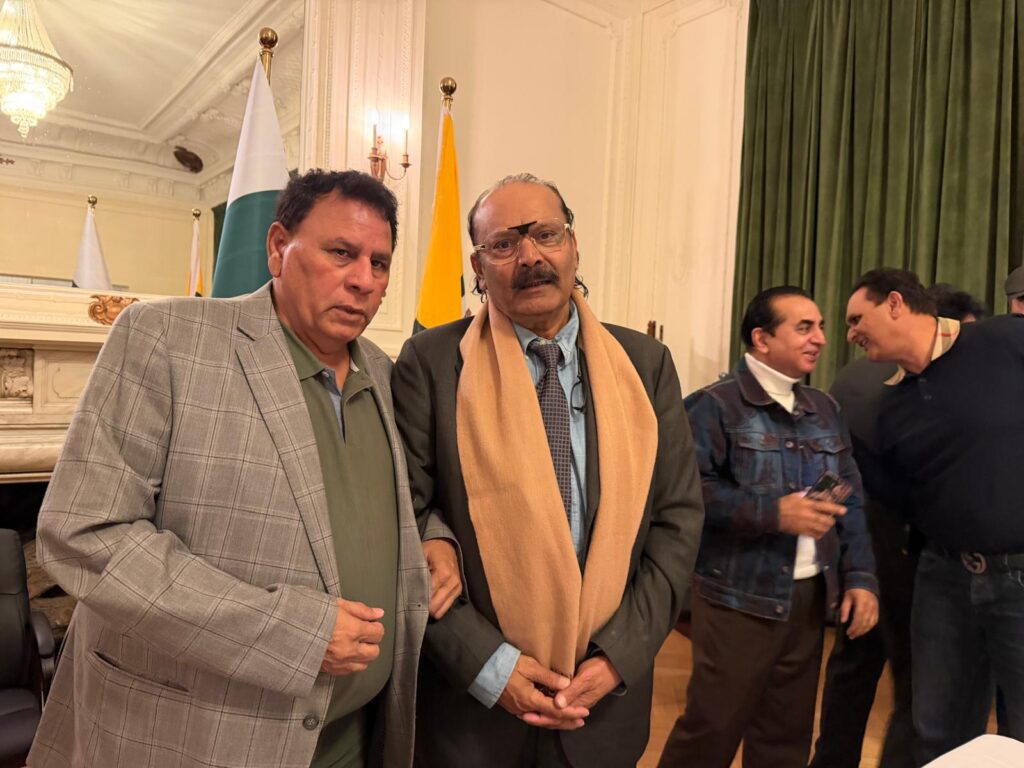
The gathering was attended by representatives of the Pakistani and Kashmiri-American communities, social and political figures, and members of organizations working to highlight the Kashmir issue in the United States.
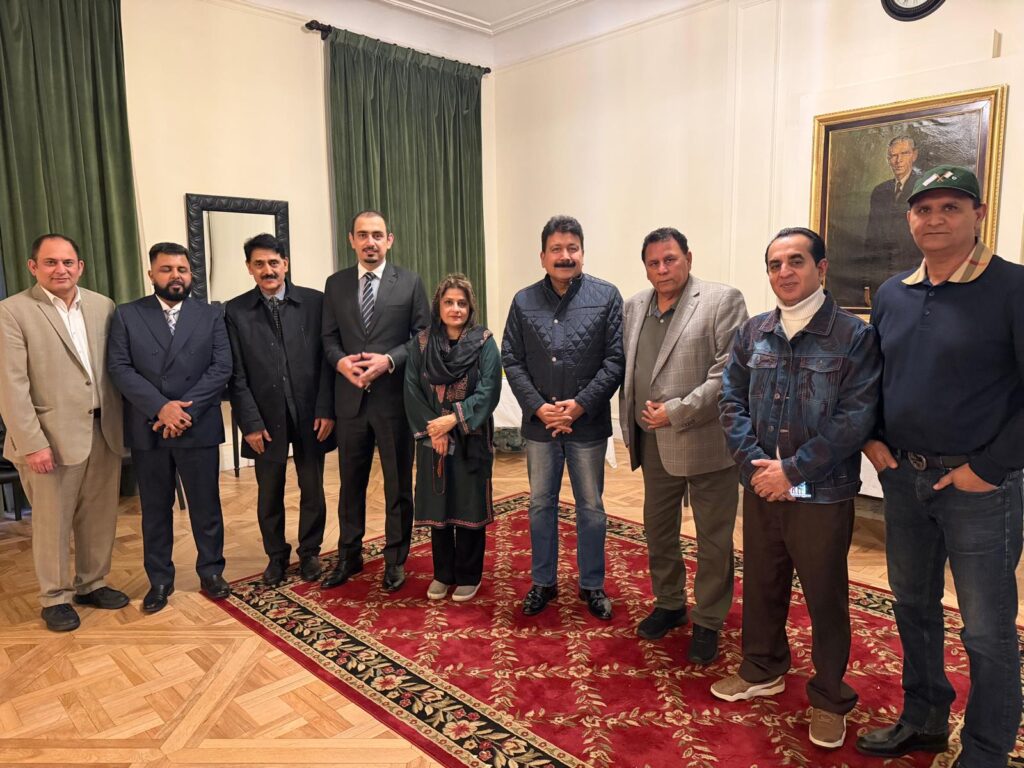
Among those present were Pakistan Peoples Party New York President Khalid Awan, Kashmir Mission USA representative Taj Khan, Kashmir Liberation Front representative Imtiaz, members of the Pakistani-American community, the PACOLI team, and Chairman of the 4th Pillar Media Watchdog Farooq Mirza
Participants also took part in a question-and-answer session, raising issues concerning Kashmir, international diplomacy, human rights and the role of the Kashmiri diaspora in the United States.
Speaking at the event, Consul General Aamir Attozai praised the remarks made during the discussion and said that, as a diplomat, a Pakistani citizen and a supporter of the Kashmir cause, he had taken note of several important points raised by the speakers.
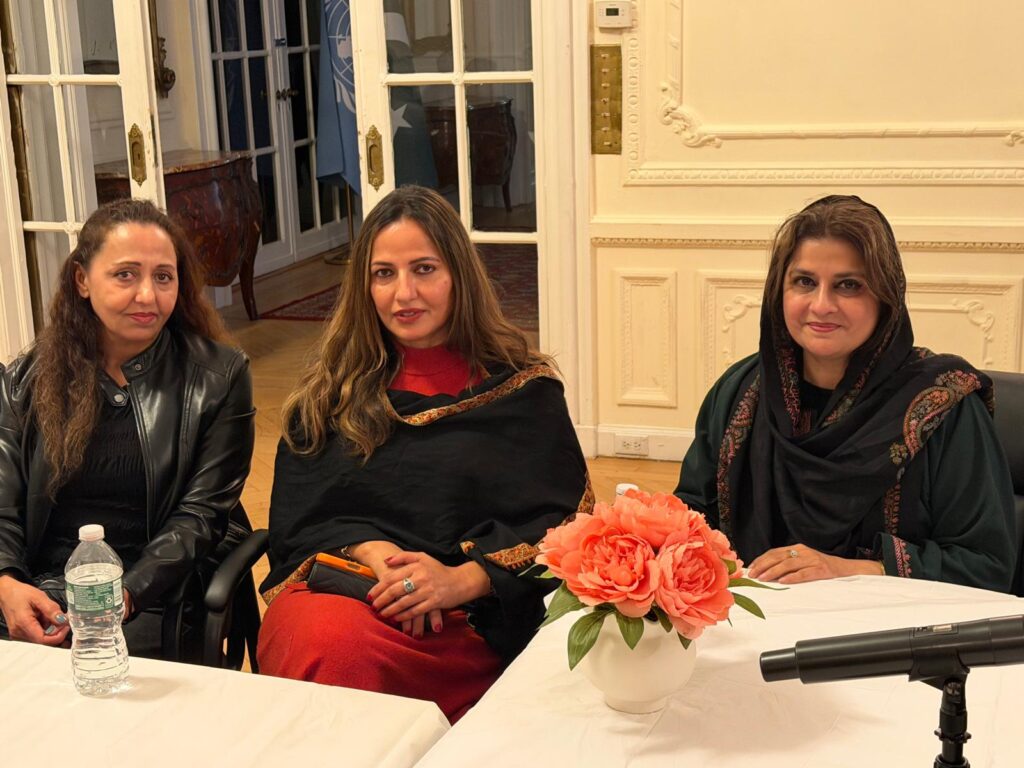
He emphasized the importance of freedom and said its value is often understood most deeply by people who have experienced restrictions on their rights and liberties. He said Pakistanis should recognize their connection with the people of Kashmir and argued that support for the Kashmir cause should not be restricted by nationality.
Recalling a conversation with a Bulgarian diplomat and friend, Aamir Attozai said he had been told that standing up for the Kashmir cause did not require a person to be Kashmiri, but required them to be human.

He called for continued solidarity between Pakistanis and Kashmiris and urged participants to remain united in supporting the people of Kashmir.
Referring to his own career, the Consul General said he had spent approximately 24 years in the diplomatic profession. He also praised Pakistan’s military leadership and armed forces for their response to India during the conflict in May of the previous year, describing it as an episode that, in his view, would be remembered for years to come.
Kashmiri-American leader Ghazala Habib, who moderated the event, highlighted what she described as the suffering of the Kashmiri people and urged participants to understand the human dimension of the conflict.
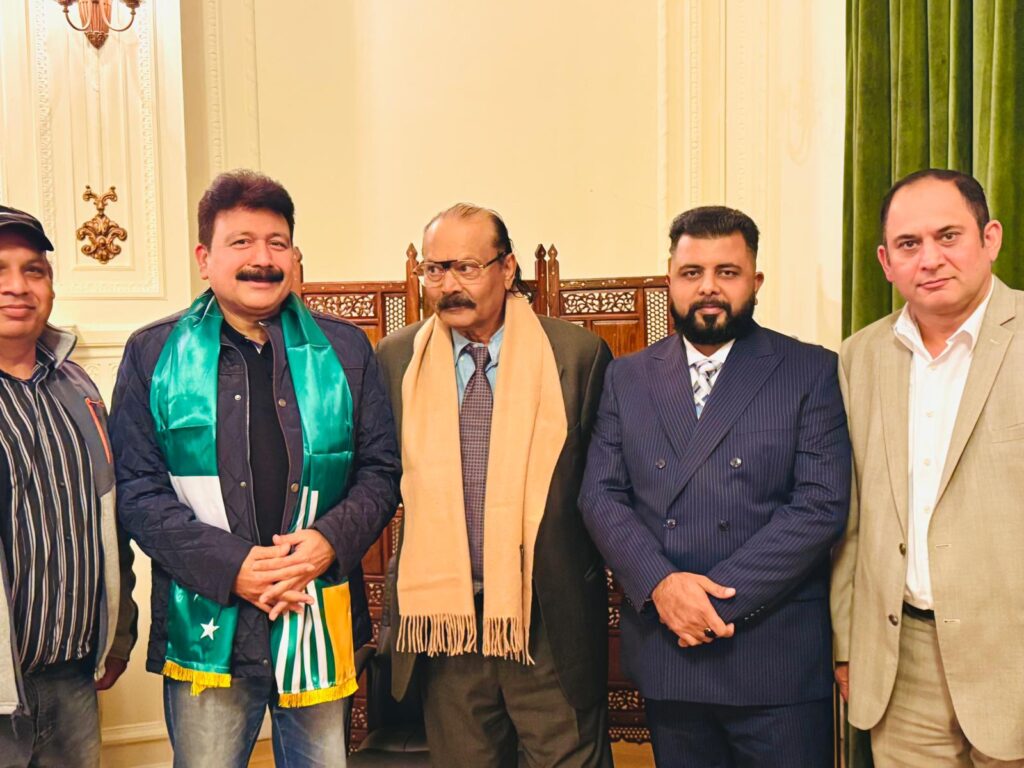
She asked the audience to imagine how they would feel if a soldier were to grab their sister, daughter or mother by the hair and drag her along a road.
“How would you feel if your child left home in the morning and you did not know whether they would return or not? This is what is happening to Kashmiris,” she said.
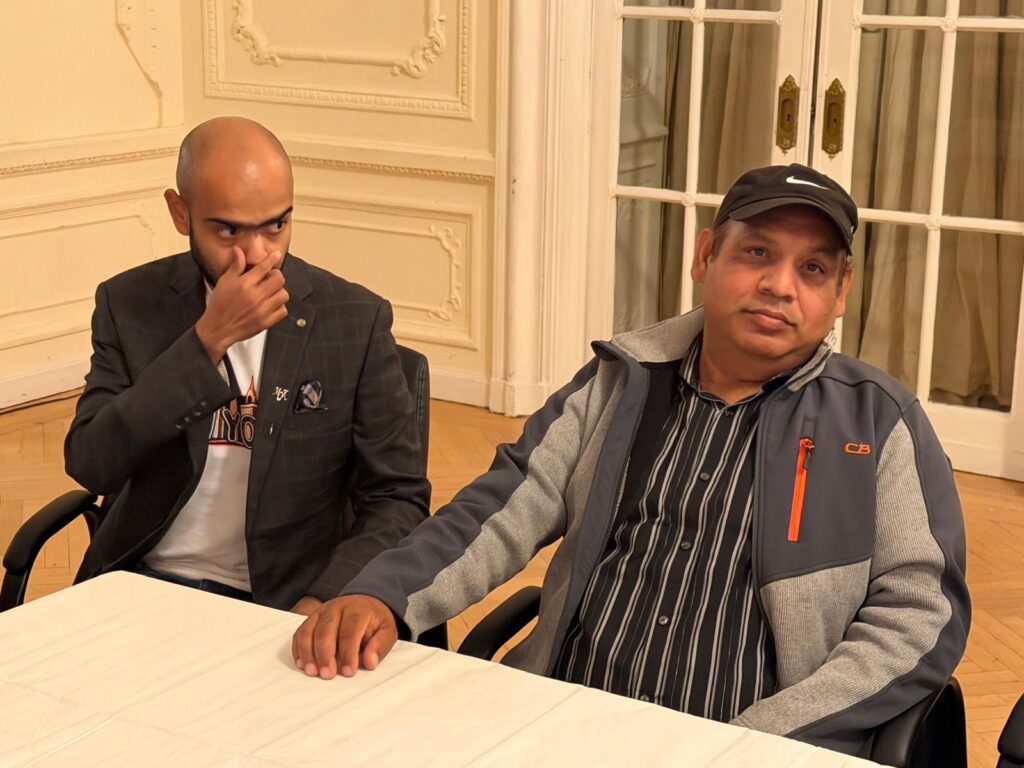
Ghazala Habib said she considered it an honour to have been given the opportunity to serve Kashmir and raise the Kashmir issue on international platforms.
She recalled her recent visit to Pakistan, where she said she had met senior officials, including the President and Prime Minister of Azad Jammu and Kashmir, the minister responsible for Kashmir affairs and the Chairman of the Parliamentary Committee on Kashmir.
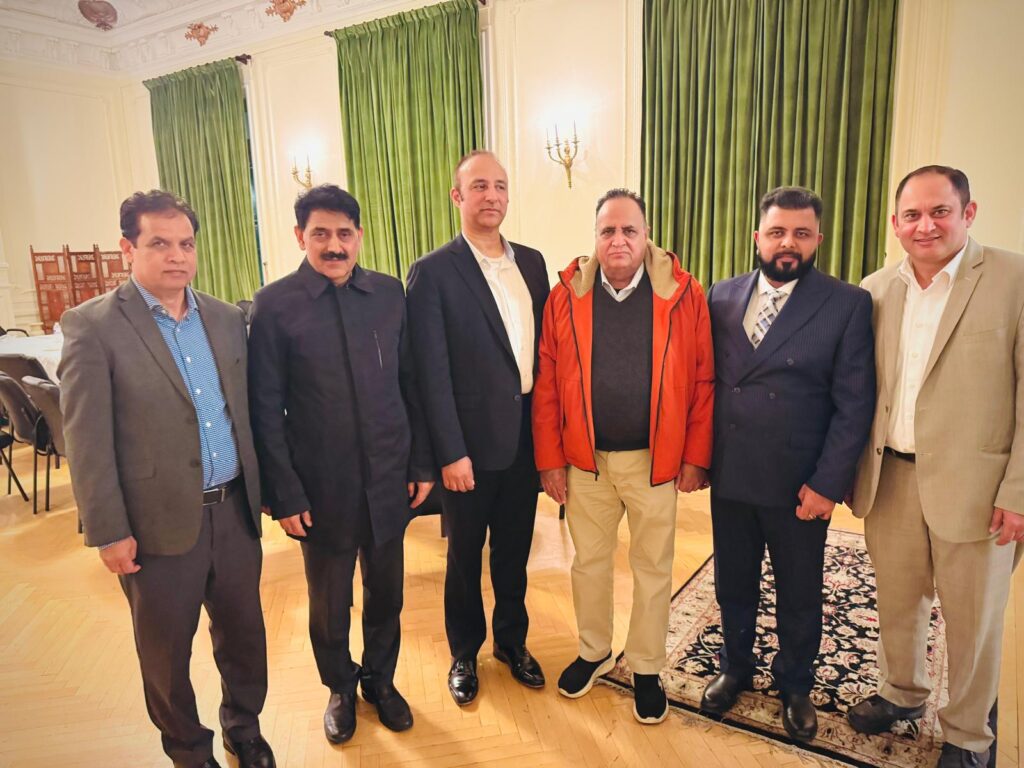
However, she said her meeting with Rana Muhammad Qasim Noon had particularly impressed her.
Ghazala Habib recalled that during the previous government she had been invited on 12 occasions to meet the then minister for Kashmir affairs, but had declined each invitation because, she said, her conscience did not allow her to do so.
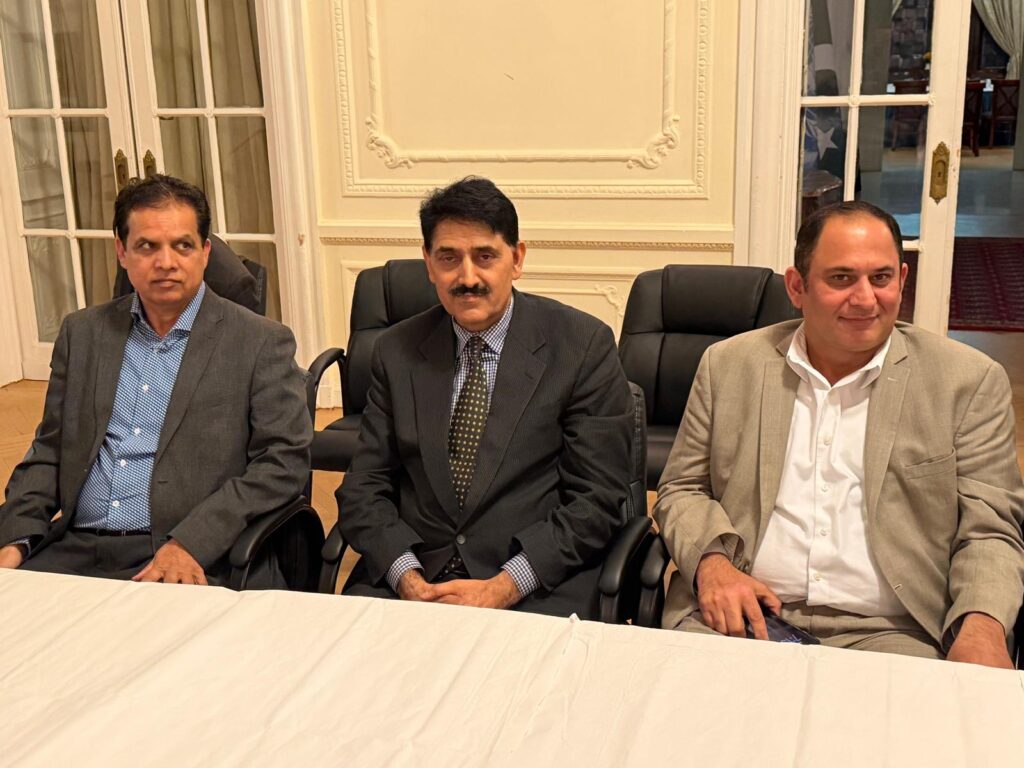
She said her meeting with Rana Muhammad Qasim Noon gave her the impression that there was finally someone serving as Chairman of the Kashmir Committee who genuinely wanted to speak for Kashmir.
She compared Rana Qasim Noon with the late Nawabzada Nasrullah Khan, saying that, in her view, after Nasrullah Khan, Kashmir had once again found a person with an active and capable mind who was willing to advocate for the Kashmir cause.
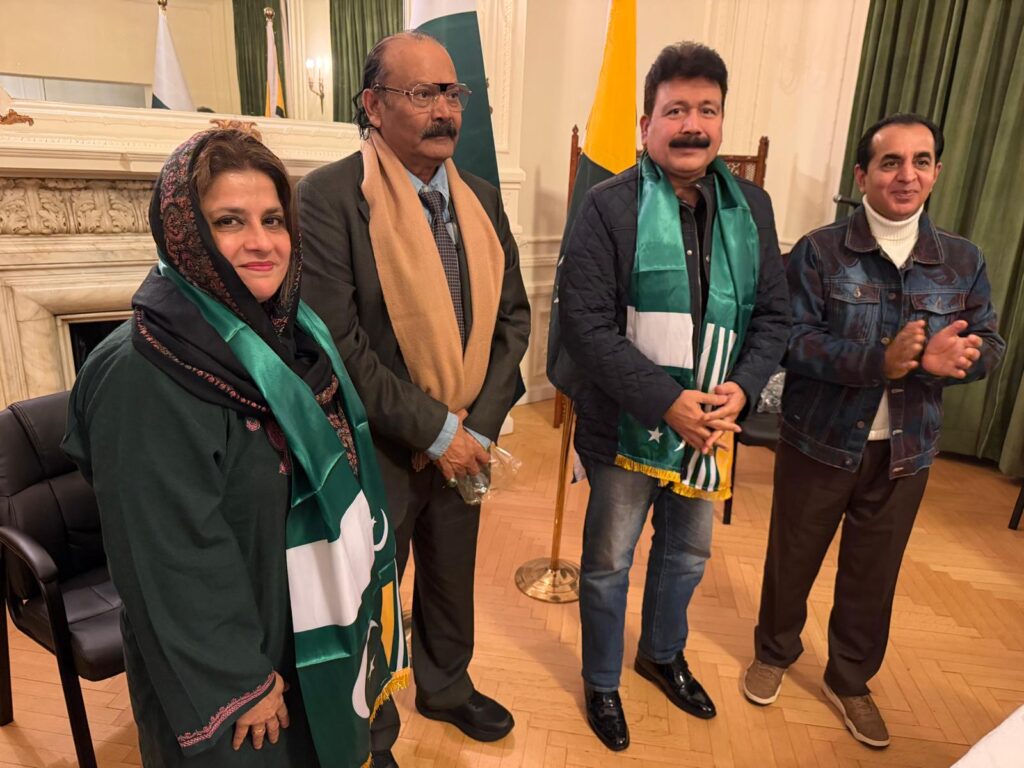
Addressing the gathering, Federal Minister and Chairman of the Parliamentary Committee on Kashmir Rana Muhammad Qasim Noon thanked the participants for attending the event and said the Kashmir dispute remained a longstanding unresolved issue on the agenda of the United Nations Security Council.
He described Kashmir as a major national and international cause and said the dispute had been marked by decades of struggle and sacrifices. Drawing a comparison with Palestine, he said both issues continued to require international attention.
Referring to the events surrounding the Jammu violence of 1947, Rana Qasim Noon alleged that large numbers of men, women and children were killed after being gathered from different areas. He described the episode as a serious failure of the international community and international institutions to prevent or adequately address alleged human rights violations.
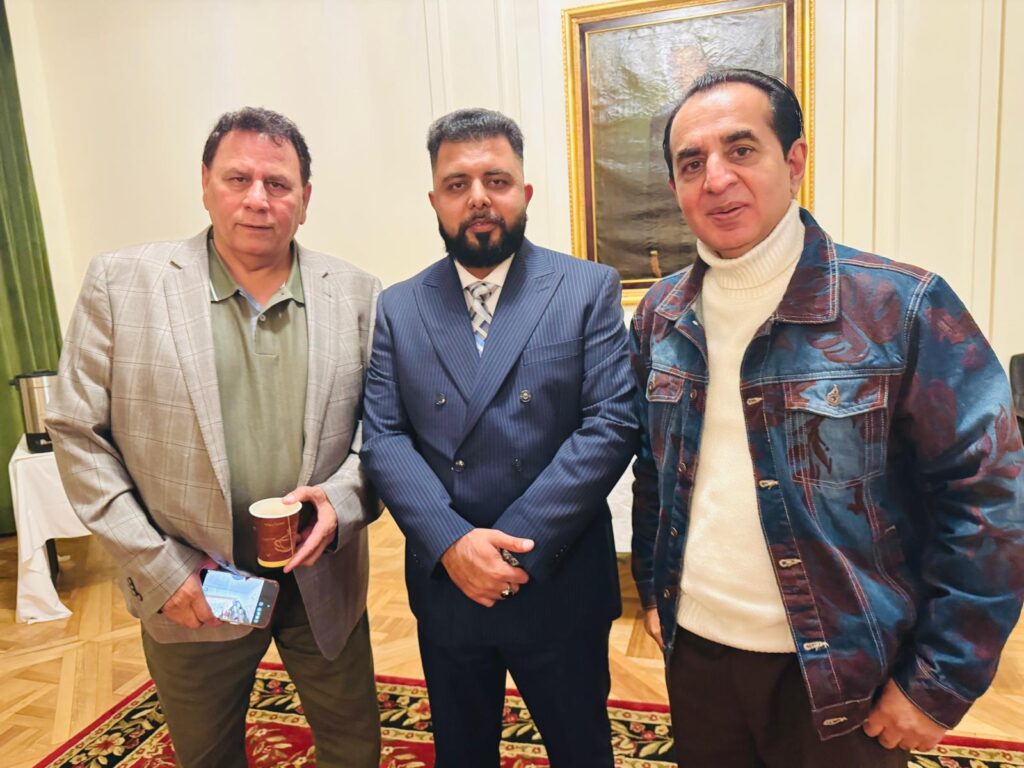
The federal minister also drew comparisons between Kashmir and Gaza, alleging that both regions had witnessed what he described as ethnic cleansing, genocide and attacks affecting civilians, including children, women, elderly people and young people.
He further raised concerns over demographic changes in Jammu and Kashmir. According to his remarks, people from other parts of India had been granted domicile and settled in the region, which he characterized as “demographic engineering.” He argued that such changes could affect the demographic composition of the territory and have implications for any future exercise of self-determination.
Rana Qasim Noon referred to United Nations Security Council resolutions concerning Kashmir and said the dispute should ultimately be addressed in accordance with those resolutions and the aspirations of the people of Jammu and Kashmir.
He also described Indian-administered Jammu and Kashmir as one of the world’s heavily militarized regions, alleging the presence of a large number of Indian security personnel across towns, neighborhoods, roads and residential areas.
Addressing the Kashmiri and Pakistani-American diaspora in the United States, he urged greater international awareness of the Kashmir issue and called for continued attention to what he described as the human rights situation in the region.

Another speaker Taj Khan at the event emphasized that the Kashmir issue was not merely a question of geography or borders, but fundamentally concerned the dignity, rights, security and future of the people of Jammu and Kashmir.

Raja Razzaq said Pakistan’s stated position remained that the Jammu and Kashmir dispute should be resolved peacefully in accordance with relevant United Nations Security Council resolutions and the aspirations of the people of Kashmir.
The Imtiaz Khan stressed the importance of dialogue, saying that even difficult disputes ultimately require engagement and that sustainable peace cannot be achieved through confrontation alone. He called for political dialogue, restraint, engagement and a willingness to listen to all sides.
Referring to the situation in Kashmir, Khalid Awan criticized what he described as restrictions on freedom and basic rights under the BJP government in India. He also reiterated Pakistan’s stated preference for dialogue and diplomacy to address outstanding disputes and promote regional stability.

He said the international community, particularly the United Nations, had an important role in supporting the peaceful resolution of long-standing disputes. He noted that the Kashmir issue remains on the agenda of the United Nations Security Council and said Pakistan continues to support a peaceful settlement consistent with relevant UN resolutions and international law.
The speaker also urged participants to focus on the future rather than only the history of the dispute. He asked what kind of South Asia future generations should inherit and highlighted the potential benefits of greater regional cooperation through trade, education, tourism, cultural exchanges and economic partnerships.
Mr Noon said a peaceful South Asia could devote greater resources to tackling poverty, creating employment, empowering young people, improving education and strengthening connections among communities.
The speaker also acknowledged the role of the Kashmiri diaspora in the United States, praising what he described as their peaceful advocacy and engagement with American civil society, academia, media and policymakers.
He concluded by calling for gatherings such as the New York event to promote understanding and meaningful dialogue, saying the objective should be not only to remember the past but also to create conditions for a peaceful and better future. The participate also held dialogue on Kashmir issue .