
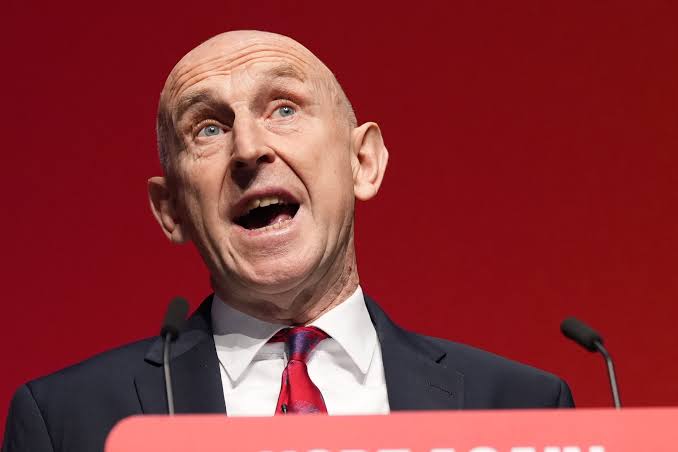

UK Chancellor John Healey has dismissed calls from within his own party to increase Capital Gains Tax (CGT) ahead of his upcoming Budget on October 28. Ahead of the fiscal event, Treasury sources indicated that the chancellor is minded not to adjust the tax—which applies to profits made from selling assets such as shares or properties that are not primary residences—due to concerns that it could prompt wealthy individuals to defer asset sales or relocate abroad.
The decision comes despite earlier public support for a CGT increase from key cabinet ministers. Both Cabinet members Wes Streeting and Louise Haigh had previously voiced backing for raising or equalising CGT with income tax rates before Andy Burnham assumed the role of prime minister in July. Haigh had argued in an article for the Renewal journal that raising CGT would shift the taxation burden away from punishing work, whereas Streeting previously called for a “wealth tax that works” to address an unfair gap between earned and unearned income. Healey, however, has already ruled out levelling the two tax rates.
Current CGT rates are set at 18% for basic-rate income taxpayers and 24% for higher and additional-rate payers. HMRC estimates indicate that while lifting the lower rate by 1% could generate modest revenue, increasing the higher rate by 10% might reduce Treasury receipts significantly if taxpayers adapt their behavior by moving abroad or holding onto assets.
In a speech last month emphasizing the importance of wealth creation, Healey stated his desire to see the UK foster confidence, investment, and profit in British business. Lord Jim O’Neill, a former adviser to Prime Minister Burnham and Goldman Sachs Chief Economist, had similarly warned that raising CGT would send the wrong message to the business sector.
With major revenue raisers like income tax, National Insurance, and VAT protected by Labour’s 2024 manifesto pledges, and borrowing constrained by self-imposed fiscal rules, the chancellor’s options for raising funds remain limited. Senior banking executives have reported that Healey is instead expected to target the banking sector for increased taxes following bumper profits reported by major lenders.
Opposition figures have responded sharply to the broader fiscal outlook. Conservative leader Kemi Badenoch is scheduled to urge the government to cut spending and reduce borrowing rather than pursue tax rises, pointing to proposed savings in areas such as welfare and the civil service. Meanwhile, the Liberal Democrats have advocated for a windfall tax on bank profits to fund public transport and hospitality tax cuts.
The chancellor is scheduled to outline his comprehensive tax and spending plans on October 28, operating against the backdrop of rising prices linked to the US-Iran war and pressure to fund defence increases at the subsequent spending review.



Leave a Reply