
Trump, Xi and Putin Hold Historic Summit in Shenzhen, Raising Questions About the Future of Global Power

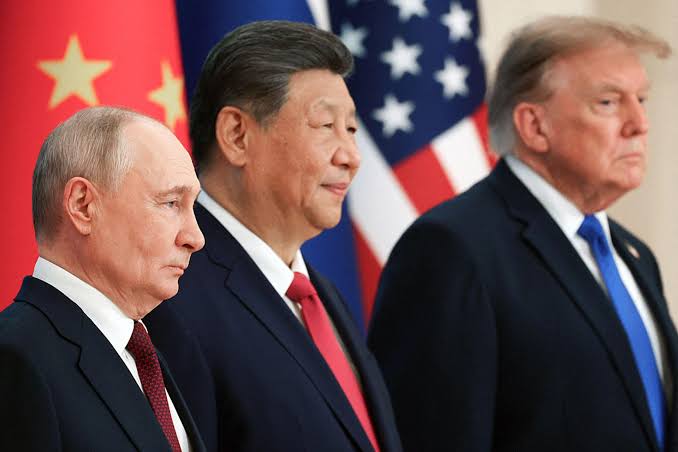
- The comparison with the 1945 Yalta Conference has also entered the international debate.
- Such a possibility remains a matter of geopolitical speculation rather than an established outcome of the Shenzhen summit.
- These economic strengths give all three countries considerable influence over international supply chains, industrial production and energy markets.
SHENZHEN, November 19, 2026 — The leaders of the United States, China and Russia have held an unprecedented trilateral meeting in the Chinese city of Shenzhen, bringing together three of the world’s most powerful nations at a time of growing international tensions, regional conflicts and uncertainty over the future of the global political order.
U.S. President Donald Trump, Chinese President Xi Jinping and Russian President Vladimir Putin met on Thursday on the sidelines of the Asia-Pacific Economic Cooperation (APEC) summit. Their discussions focused on international security, nuclear weapons, strategic stability and major regional conflicts, including the wars in Ukraine and the Middle East.
Although the meeting has been publicly presented as an opportunity to reduce nuclear risks and strengthen cooperation among major powers, its broader geopolitical significance has attracted considerable attention. The gathering has also raised questions about whether Washington, Beijing and Moscow are seeking to establish a new understanding over their respective global interests.
At the opening of the meeting, Trump emphasized the responsibility of the three countries to work together on international security, particularly the reduction of nuclear weapons and the prevention of their use. Putin also highlighted the potential for cooperation in resolving regional conflicts, while Xi called for mutual respect and greater coordination among the world’s leading powers.
However, the meeting comes at a particularly sensitive moment for the international community. The war in Ukraine, tensions involving Iran and the wider Middle East, competition over advanced technology, and growing disputes over energy supplies have placed additional pressure on the existing international system.
One of the most significant questions surrounding the summit is whether the three powers can reach an informal understanding over their respective spheres of influence.
Russia has long sought to strengthen its strategic position in Eastern Europe and maintain influence across its neighbouring regions. China considers Taiwan a central national and security issue, while the United States continues to regard the Western Hemisphere as a vital part of its strategic interests.
These competing priorities have fuelled concerns that major powers could increasingly pursue arrangements that protect their own interests, potentially leaving smaller countries with limited influence over decisions that directly affect their sovereignty and security.
There is, however, no publicly confirmed agreement suggesting that the three leaders have decided to divide territories or formally recognize one another’s spheres of influence. Such a possibility remains a matter of geopolitical speculation rather than an established outcome of the Shenzhen summit.
Beyond territorial and military influence, economic power could prove equally important in shaping the future relationship among the three countries.
China has established a dominant position in the processing of rare earth elements, which are essential for modern electronics, electric vehicles, renewable energy systems and advanced military technologies. The United States remains a major global producer of oil and natural gas, while Russia possesses substantial reserves of natural gas, nickel and other strategically important natural resources.
These economic strengths give all three countries considerable influence over international supply chains, industrial production and energy markets.
Any closer coordination among Washington, Beijing and Moscow could therefore have consequences extending far beyond diplomatic relations. Decisions involving energy production, mineral supplies, export restrictions and access to critical technologies could affect manufacturing industries, international trade and economic stability across the world.
Another important aspect of the summit is the absence of several major economic and political powers from the central trilateral discussions.
The European Union, India and Japan remain influential players in global trade, technology, security and diplomacy. However, none of them has a direct seat at the three-way negotiating table between Trump, Xi and Putin.
Their exclusion raises concerns about the extent to which decisions made by a small group of powerful nations could influence the security and economic interests of countries that are not directly involved in the discussions.
For Europe, the implications are particularly significant because of the ongoing war in Ukraine and its dependence on international energy and security arrangements. India and Japan also have substantial strategic interests in the Indo-Pacific region, where China’s growing influence and America’s military presence remain important factors.
The comparison with the 1945 Yalta Conference has also entered the international debate. At that meeting, the United States, Britain and the Soviet Union discussed the post-war settlement and the future political arrangement of Europe. While the circumstances surrounding the Shenzhen summit are very different, the involvement of three major powers in discussions about global security has revived questions about the influence of powerful states over smaller nations.
For now, the actual outcome of the Shenzhen meeting remains to be assessed through concrete agreements and subsequent diplomatic developments. Public statements have highlighted nuclear disarmament, international stability and cooperation, but they do not establish that a new global political arrangement has been agreed upon.
The central question, therefore, is not simply whether the three leaders can cooperate, but how that cooperation might affect the rest of the world.
Could closer relations among Washington, Beijing and Moscow contribute to international stability and reduce the risk of major conflicts? Or could a new understanding among the three powers create a political and economic environment in which smaller countries have even less influence over their own futures?
The answer will depend not on the symbolism of the Shenzhen summit, but on the decisions, agreements and policies that follow it.
Senior US based Journalist
Frequently Asked Questions
What is the latest update on future global?
While the circumstances surrounding the Shenzhen summit are very different, the involvement of three major powers in discussions about global security has revived questions about the influence of powerful states over smaller nations.
What are the key takeaways and impact?
SHENZHEN, November 19, 2026 — The leaders of the United States, China and Russia have held an unprecedented trilateral meeting in the Chinese city of Shenzhen, bringing together three of the world's most powerful nations at a time of growing international tensions, regional conflicts and uncertainty over the future of the global political order.
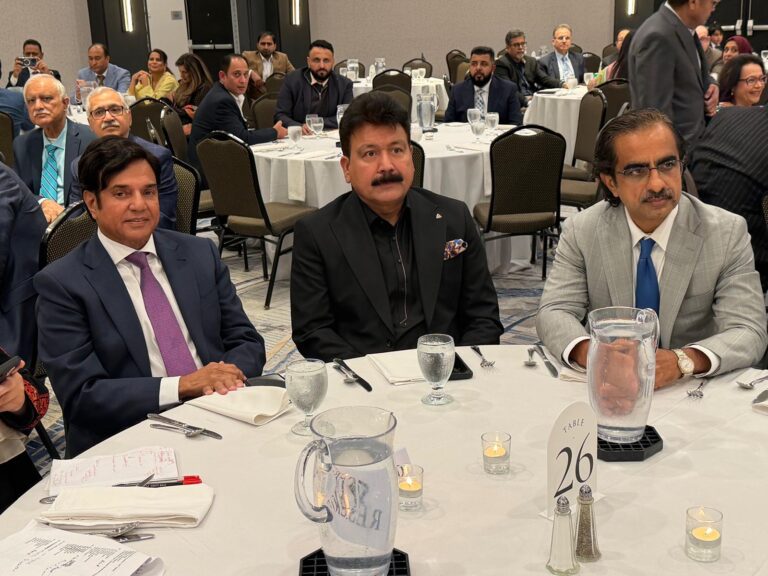
APPAC Urged to Strengthen Political Influence , Leadership Celebrates Historic Electoral Victories in New York
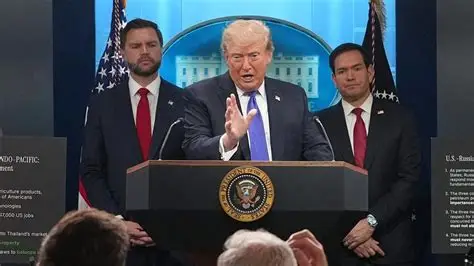
Trump Threatens Ban and Heavy Taxes on US Firms Building AI Data Centres Overseas

Film Director Highlights Authenticity, Forgiveness and Emotional Storytelling in his New Movie Adam’s Fire
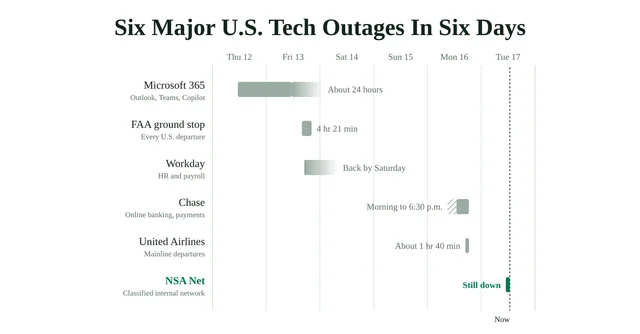
Six Major Technology Outages in Six Days Raise Cybersecurity Concerns Across the United States
US Launches ‘Operation Ghostbusters’ to Crack Down on Widespread Federal Student Aid Fraud