

How Pakistan’s Military Credibility Is Opening New Pathways to Regional Diplomacy and Muslim Unity !
History is sometimes written on the battlefield and sometimes at the negotiating table. The quadrilateral meeting in Tehran on 26 October 2026 could prove to be an important chapter in the latter.
The gathering brought together senior representatives of Pakistan, Saudi Arabia, Türkiye and Iran at a time when the Middle East faces acute tensions and the danger of a wider regional conflict. The meeting created an important opportunity to advance regional peace, security and diplomatic cooperation.
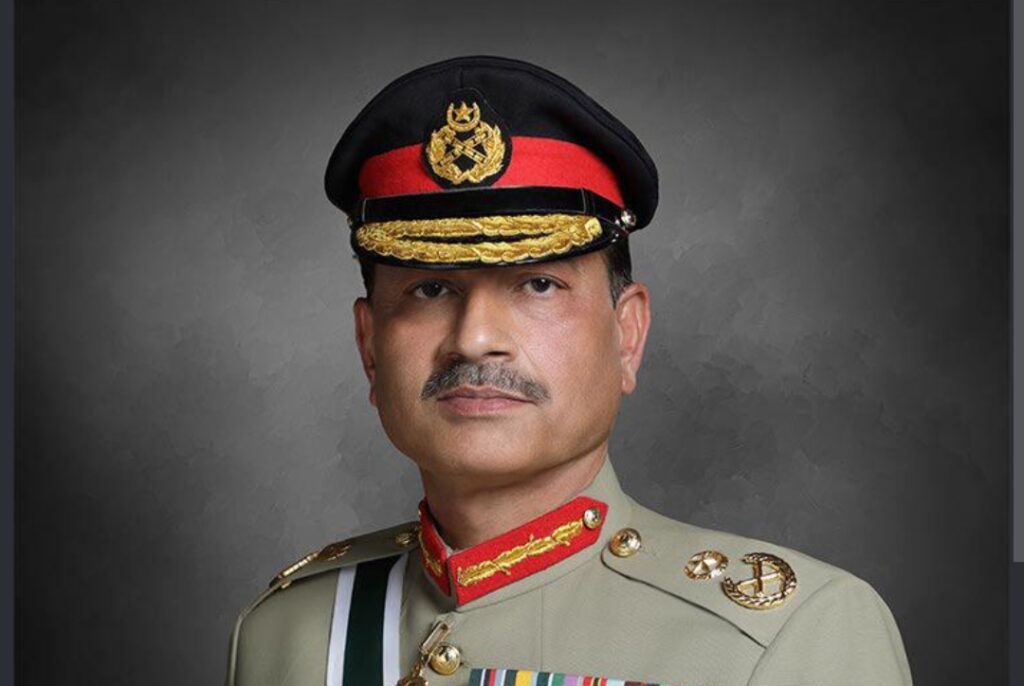
According to Iranian reporting, the initiative was proposed by Pakistan’s Field Marshal Syed Asim Munir during his visit to Tehran the preceding week. The meeting, hosted by Major General Mohsen Rezaei, Secretary of Iran’s Supreme National Security Council, was attended by Saudi Defence Minister Prince Khalid bin Salman, Field Marshal Asim Munir and Türkiye’s intelligence chief Ibrahim Kalin, alongside Iranian President Masoud Pezeshkian, Foreign Minister Abbas Araghchi and other senior officials. The participants agreed to continue dialogue on regional cooperation, peace and security.
The real significance of this initiative lies not merely in bringing four countries to the same table, but in the possibility of translating military credibility into diplomatic leverage.
Following Operation Bunyan-ul-Marsos in May 2025, Pakistan’s defence capabilities and deterrence posture attracted renewed international attention. Yet the strategic value of a state’s strength should not be confined to the battlefield. Its greater utility lies in creating space for negotiations, confidence-building and political accommodation while safeguarding national interests. The Tehran initiative offers an opportunity to demonstrate this principle.
Defence cooperation among Pakistan, Saudi Arabia and Türkiye, combined with direct engagement with Iran, reflects a broader approach to regional security. The objective should not be to create another confrontational bloc, but to recognise a fundamental reality: lasting peace cannot be achieved if regional states disregard one another’s legitimate security concerns.
Saudi Arabia and Iran have spent decades navigating rivalry, mistrust and competing strategic priorities. The restoration of diplomatic relations in 2023 was an important step, but diplomatic normalisation is not the same as strategic trust. Maintaining communication, containing tensions and preventing disputes from escalating into a wider conflict remain essential to regional stability. Pakistan and Türkiye can play constructive roles in supporting this process.
The risk of renewed confrontation involving the United States, Israel and Iran, the security implications of Houthi attacks, and the need for coordinated diplomatic efforts concerning Palestine and Lebanon add urgency to the Tehran initiative. A wider war in the Middle East would not remain confined to the countries directly involved. Its repercussions could extend to the global economy, energy supplies, oil prices and the stability of the wider Muslim world. De-escalation is therefore not merely a political preference; it is an international necessity.
President Pezeshkian’s support for greater cooperation among Muslim countries offers a constructive political signal. However, the real test of Muslim unity lies not in declarations but in implementation. Respect for sovereignty, protection of civilians, restraint during crises and credible mechanisms for resolving disputes are essential if collective aspirations are to translate into meaningful outcomes.
For Pakistan, this diplomatic opening brings both opportunity and responsibility. Islamabad must maintain a careful balance between its longstanding relationship with Saudi Arabia, its strategic partnership with Türkiye and constructive engagement with neighbouring Iran. These relationships need not be mutually exclusive. Effective diplomacy means safeguarding national interests while identifying practical areas of common ground.
The immediate priority is to ensure that the Tehran meeting does not remain an isolated diplomatic event. Regular consultations, reliable crisis-communication channels, workable regional security arrangements and sustained negotiations on shared concerns could give the initiative lasting substance. If Pakistan helps maintain momentum, its role could extend beyond that of a participating state to that of a constructive facilitator of regional understanding.
The journey from Bunyan-ul-Marsos to Tehran offers Pakistan an important strategic lesson. Defence strength is a foundation of national security, while diplomacy provides a means of employing that strength in support of wider regional peace. The two are not alternatives; they are complementary pillars of a balanced national strategy.
The ultimate significance of Field Marshal Asim Munir’s diplomatic initiative will depend on whether it can encourage regional powers to sustain dialogue, build mutual confidence and pursue practical cooperation. The success of a meeting is not measured simply by the prominence of its participants, but by the durable changes it helps bring about.
If Bunyan-ul-Marsos demonstrated Pakistan’s defence capabilities, Tehran presents a test of its diplomatic capabilities. Nations make history not only by winning wars, but also by opening pathways to peace.
*The Muslim world needs more than declarations of solidarity. It needs responsible leadership and a shared strategy capable of preventing disagreements from turning into confrontation. Pakistan’s real achievement would lie in converting defence credibility into regional confidence, diplomatic access into sustained dialogue, and dialogue into lasting peace.
*Bunyan-ul-Marsos brought Pakistan’s military strength into sharper focus; Tehran offers an opportunity to employ that strength in the service of regional peace, mutual trust and the wider interests of the Muslim world*.

Leave a Reply