By: Farooq Mirza
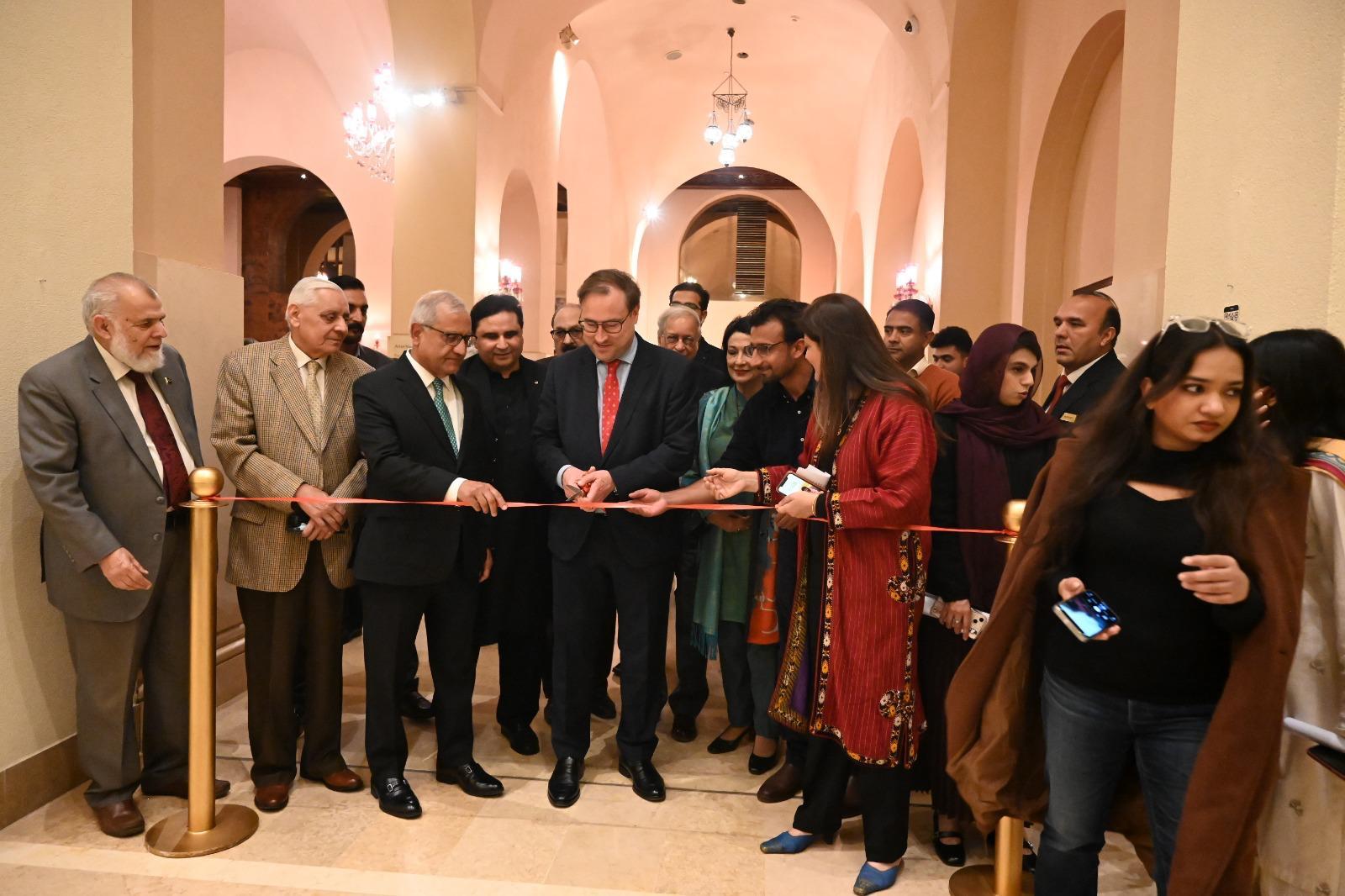
Islamabad, Pakistan — Renowned Pakistani artist Qasim Bugti has unveiled his latest solo exhibition titled “Zikr,” an evocative exploration of divine remembrance through the harmonious fusion of traditional Nastaliq calligraphy and miniature painting. The show, which opened to a distinguished gathering, pays deep homage to the Sufi poetry of Professor Mirza Ghulam Rasool Azhar, whose verses of Ishq-e-Haqeeqi (Divine Love) form the spiritual heartbeat of the collection.
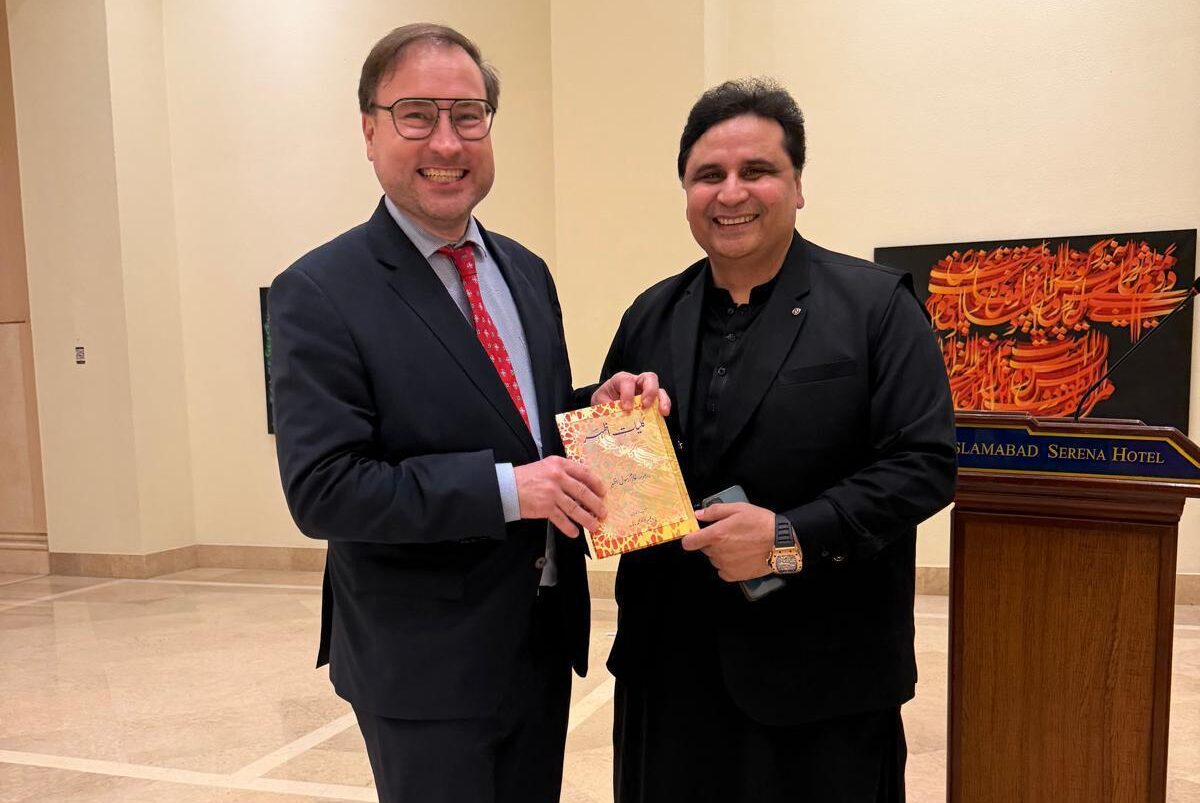
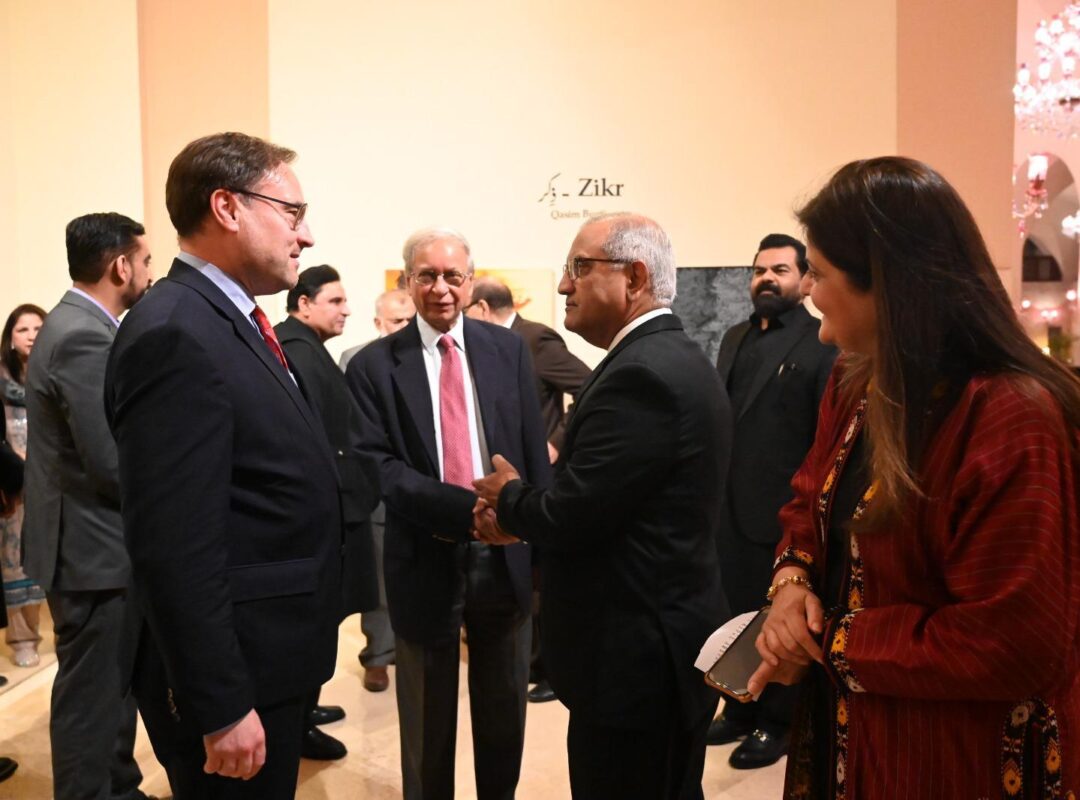
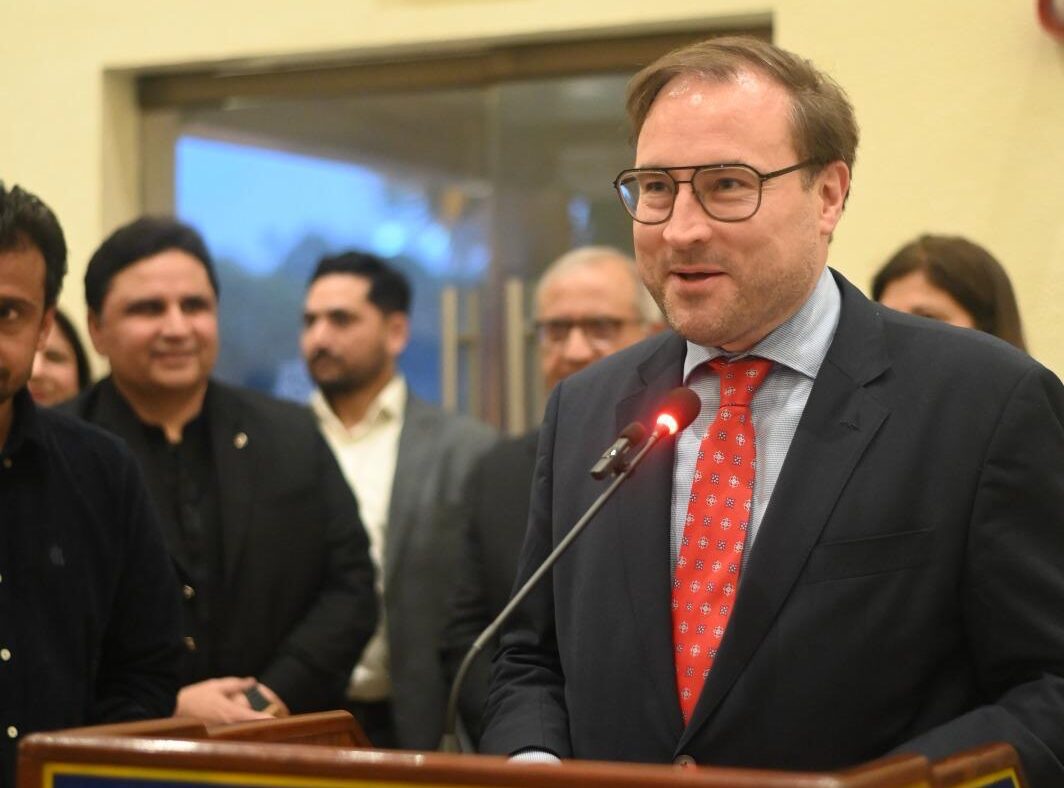
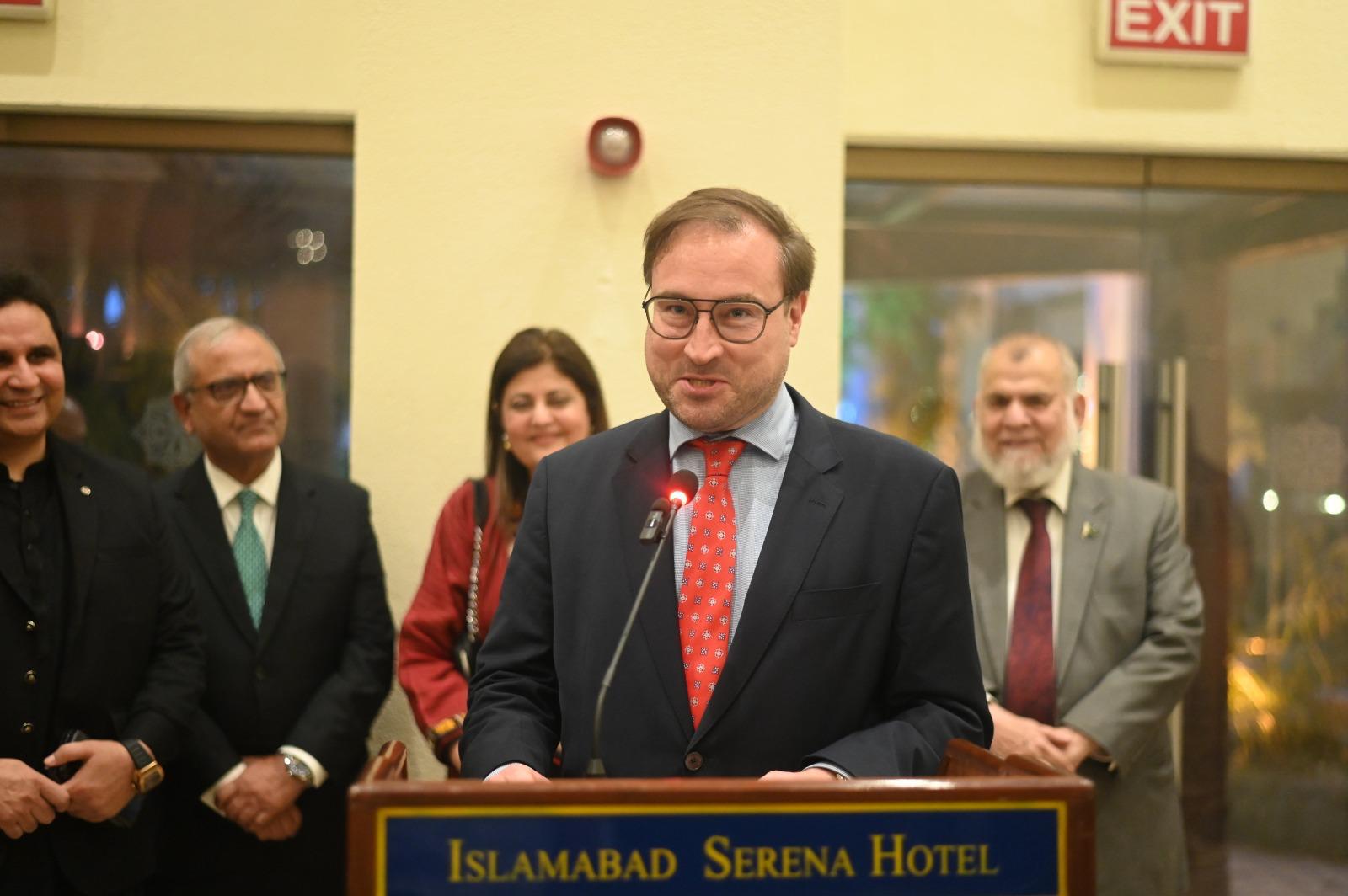
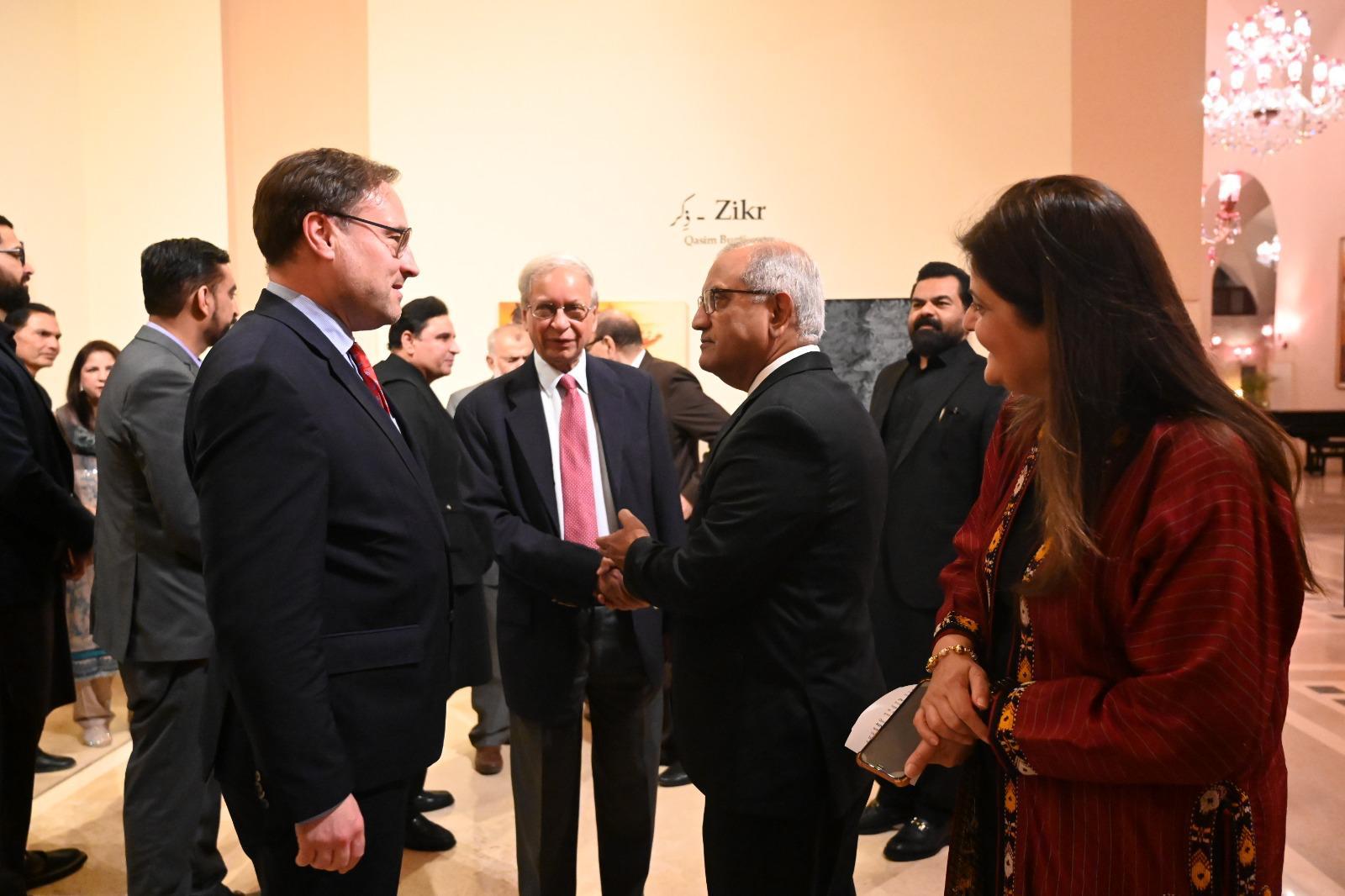
Addressing the audience, Asma Rashid Khan, Chairperson of The Citizens Foundation (TCF) Islamabad Chapter, extended a warm welcome to all guests, with special thanks to the Guest of Honour, His Excellency Mr. Wolfgang Oliver Kochera, Ambassador of Austria to Pakistan.
“Zikr is known as the meditative act of remembering the Divine,” said Ms. Khan. “Through his mastery of Nastaliq calligraphy and miniature painting, Qasim Bugti unites image and prayer into a single, unified expression. Each artwork becomes a silent act of zikr, where repetition and line become pathways to presence and contemplation.”
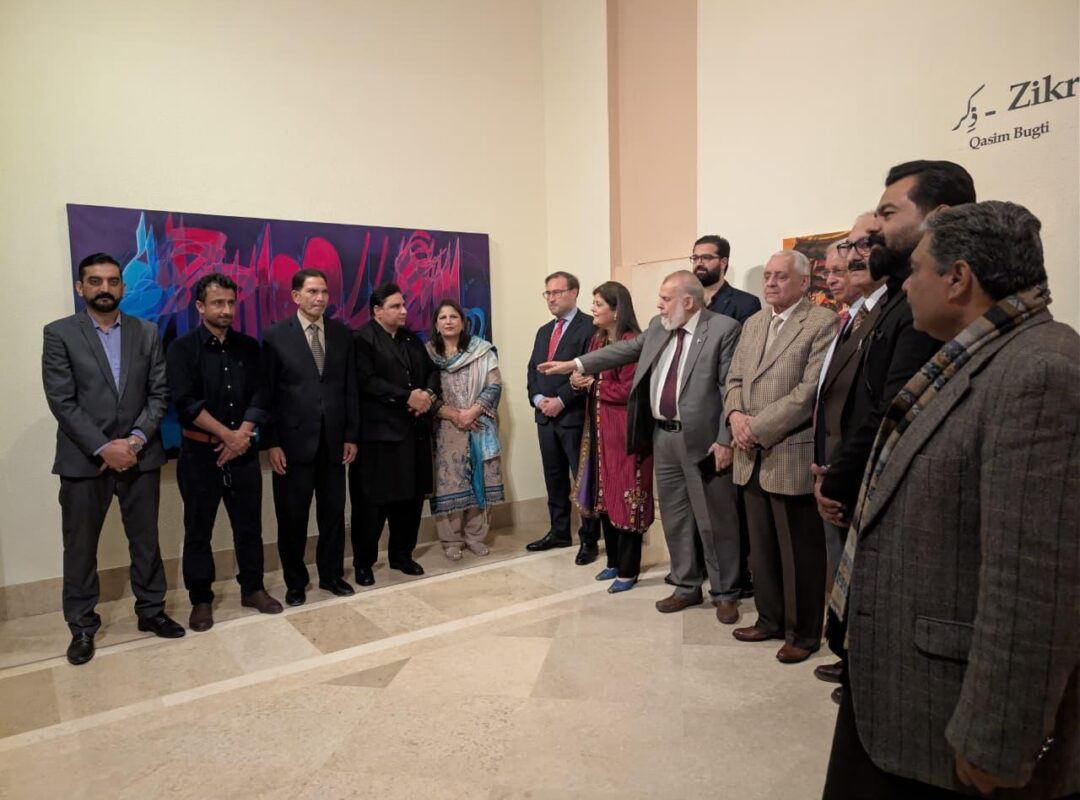
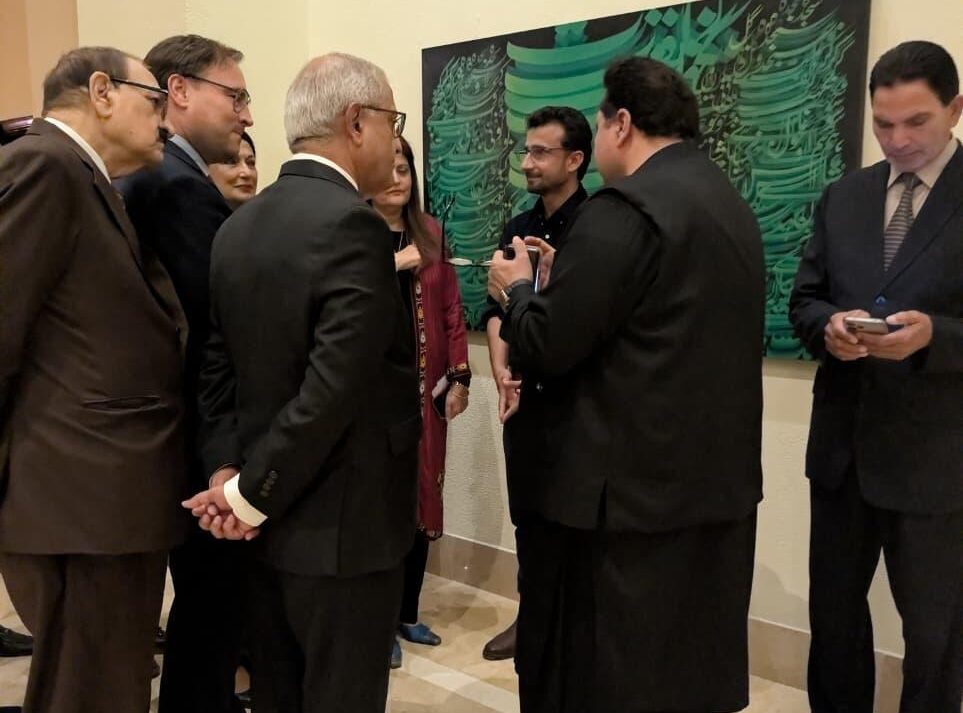
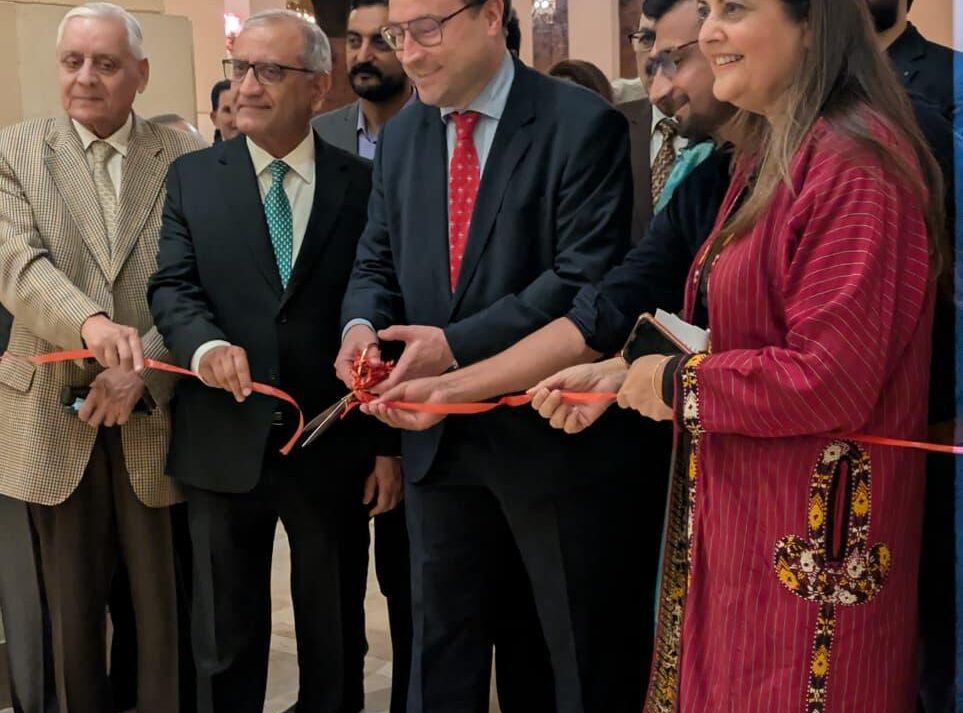
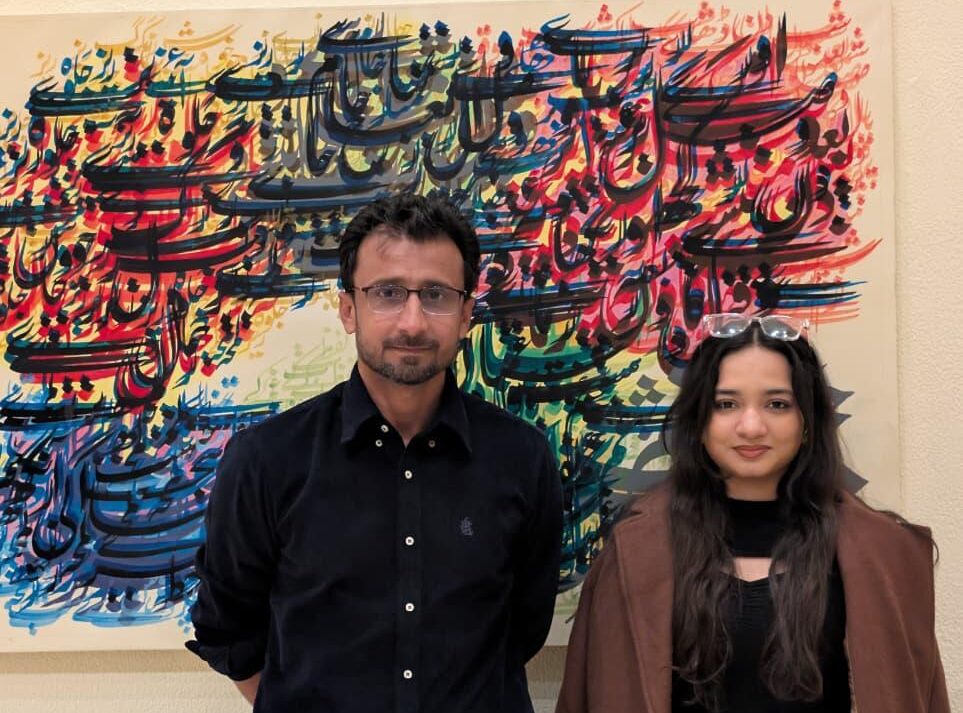
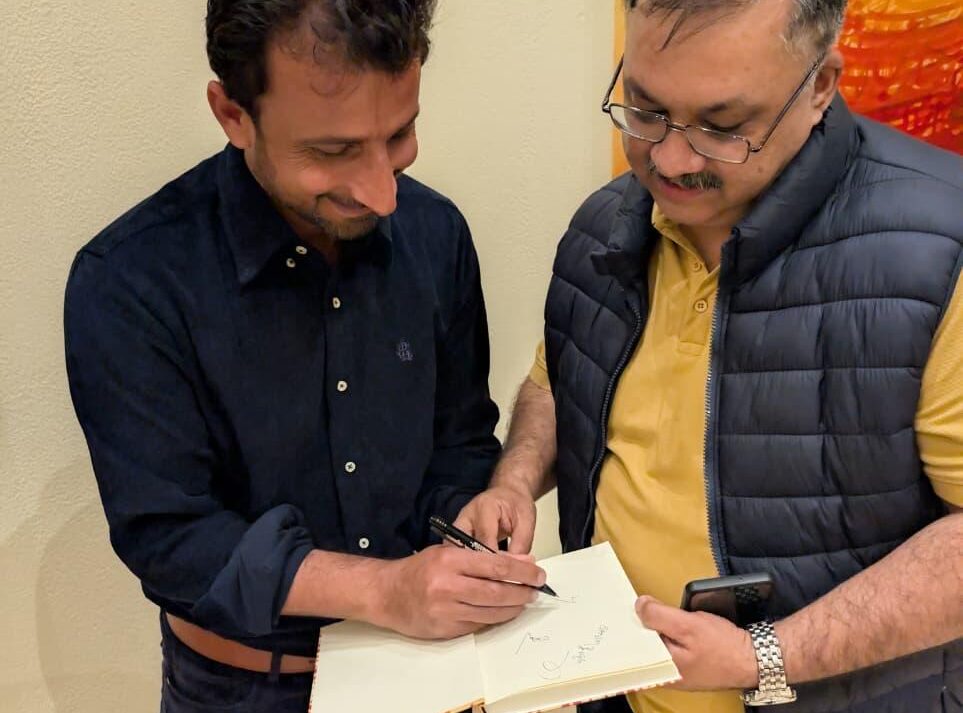
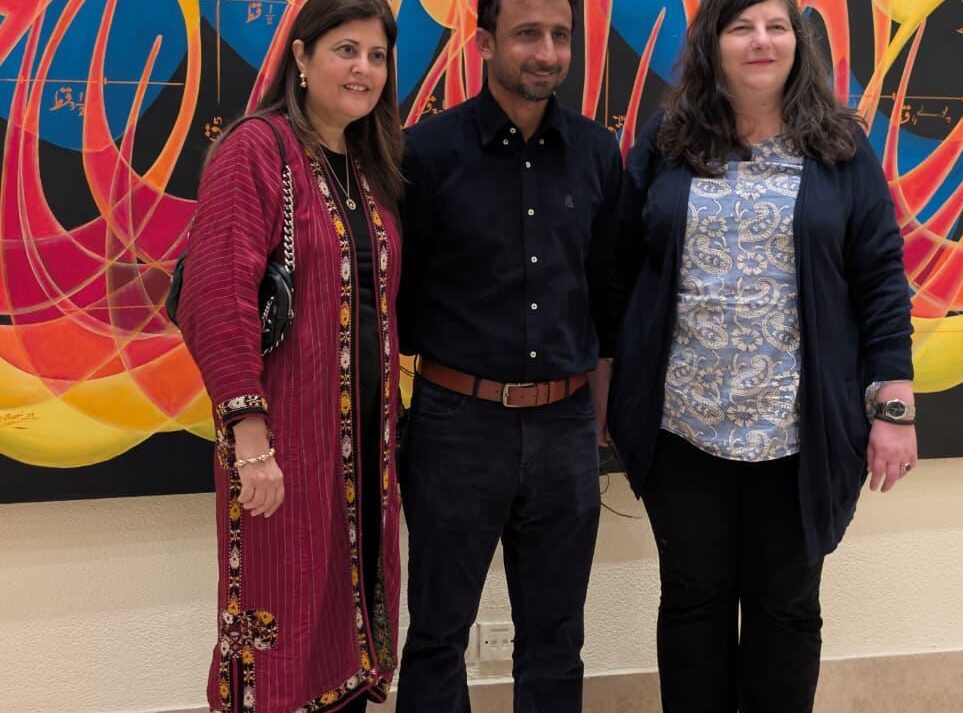
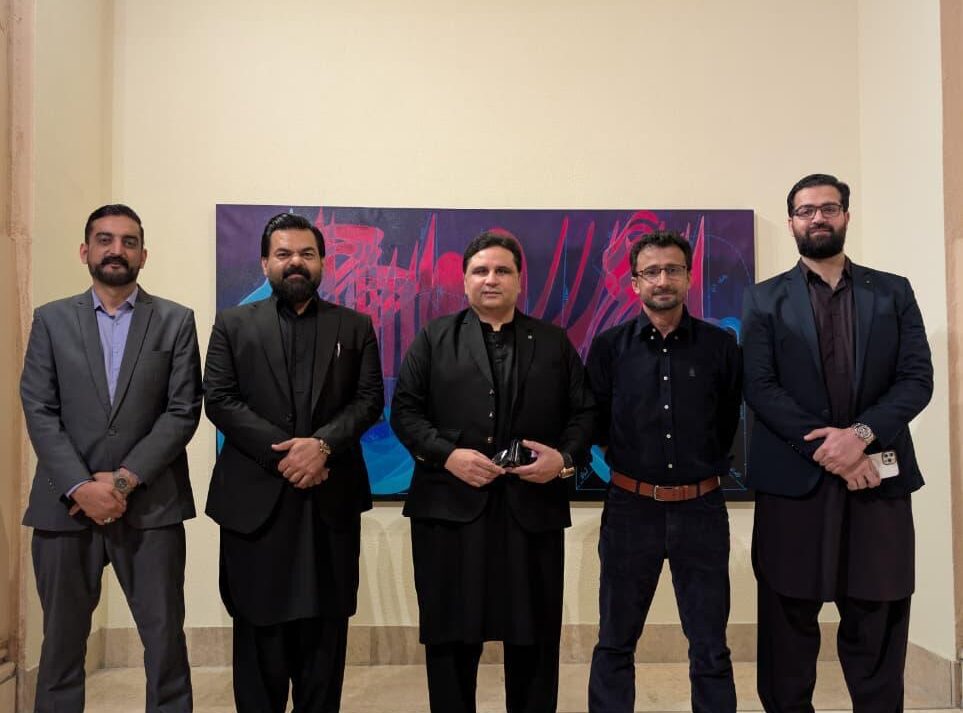
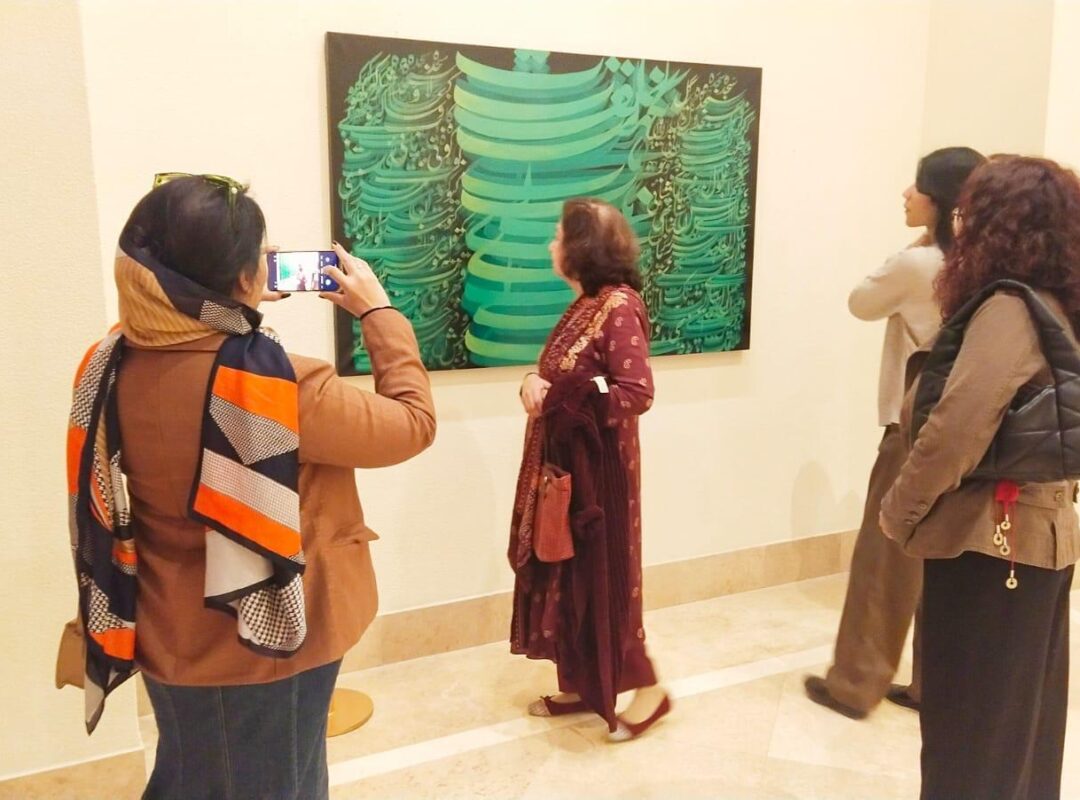
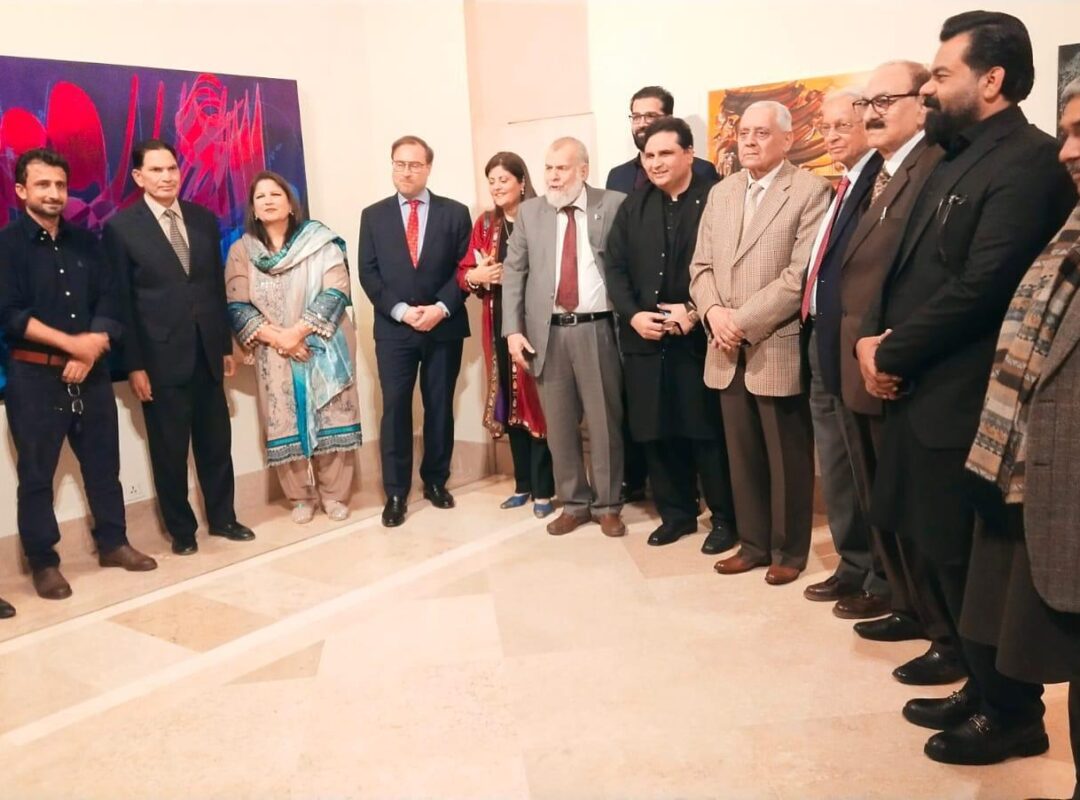
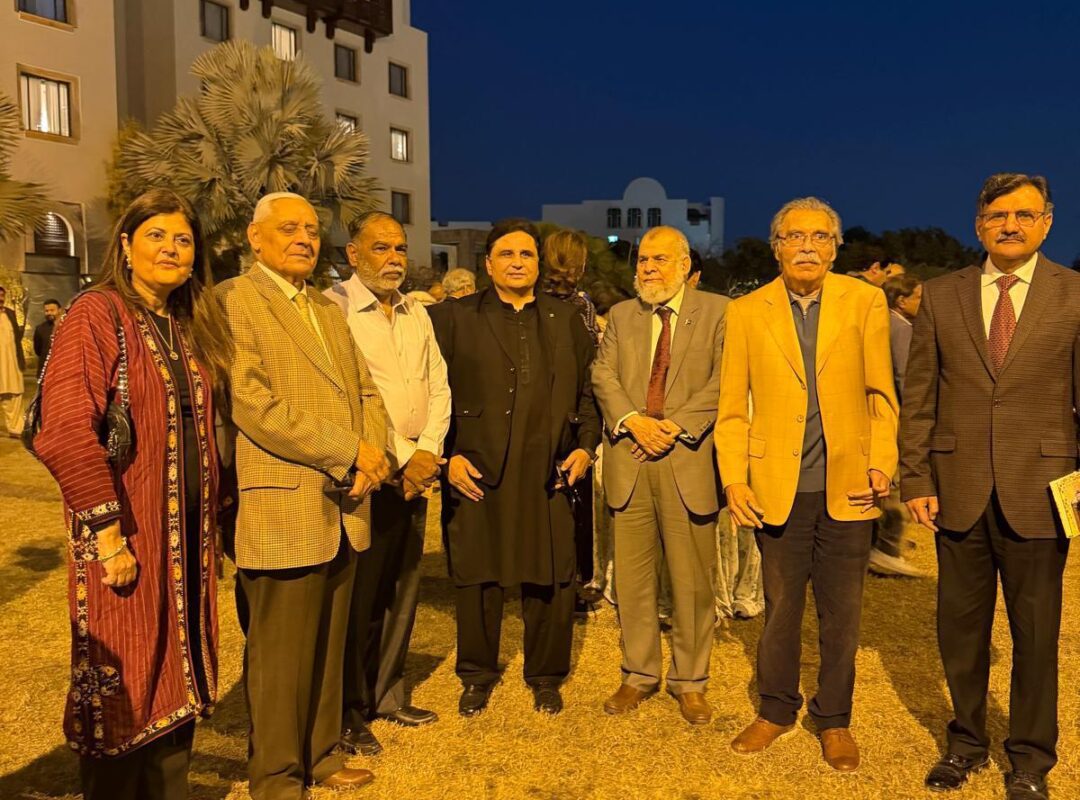
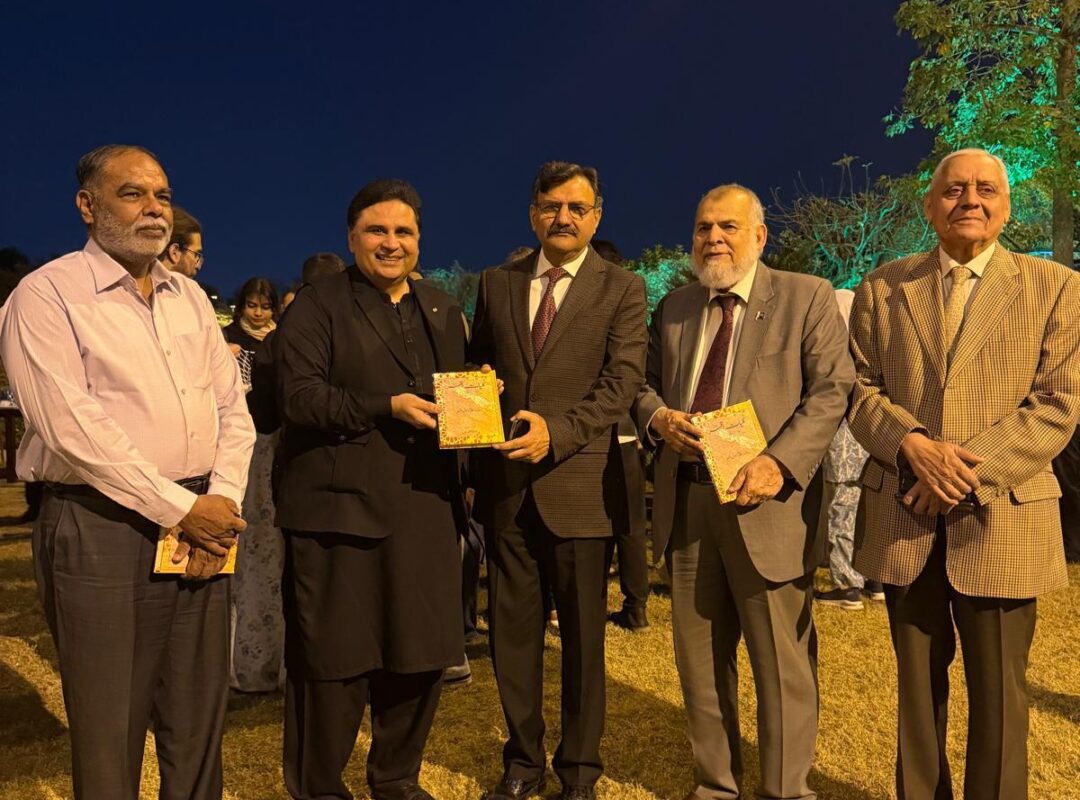
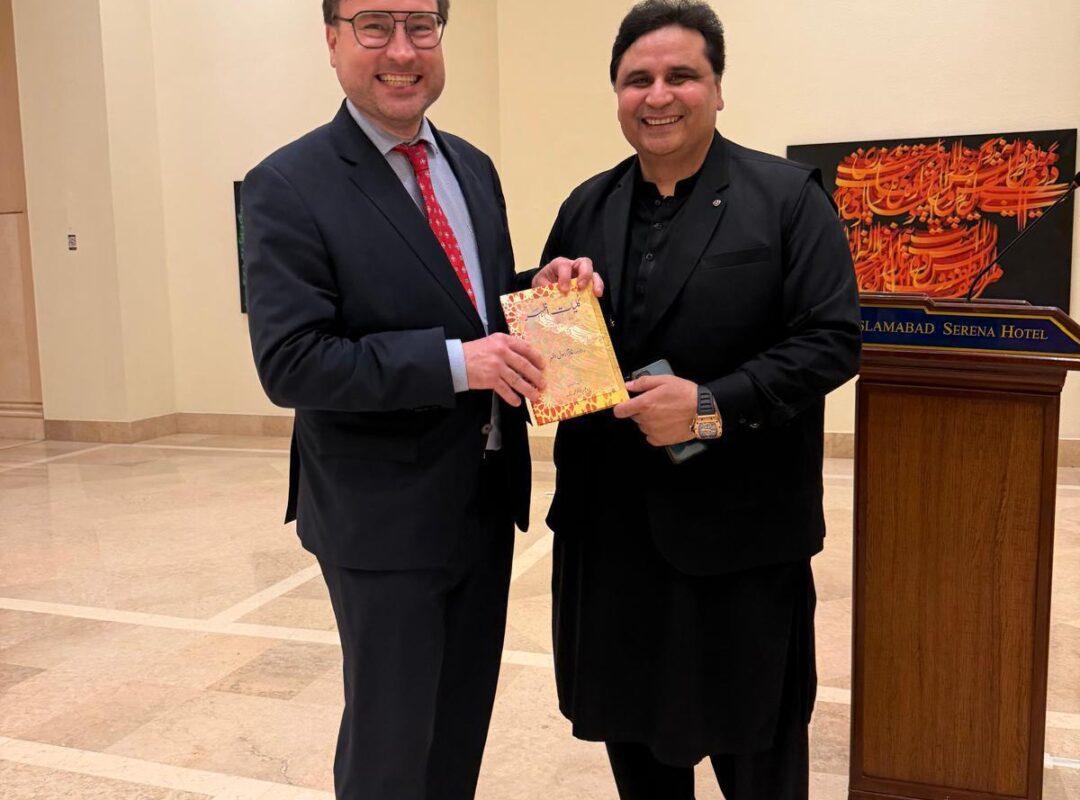
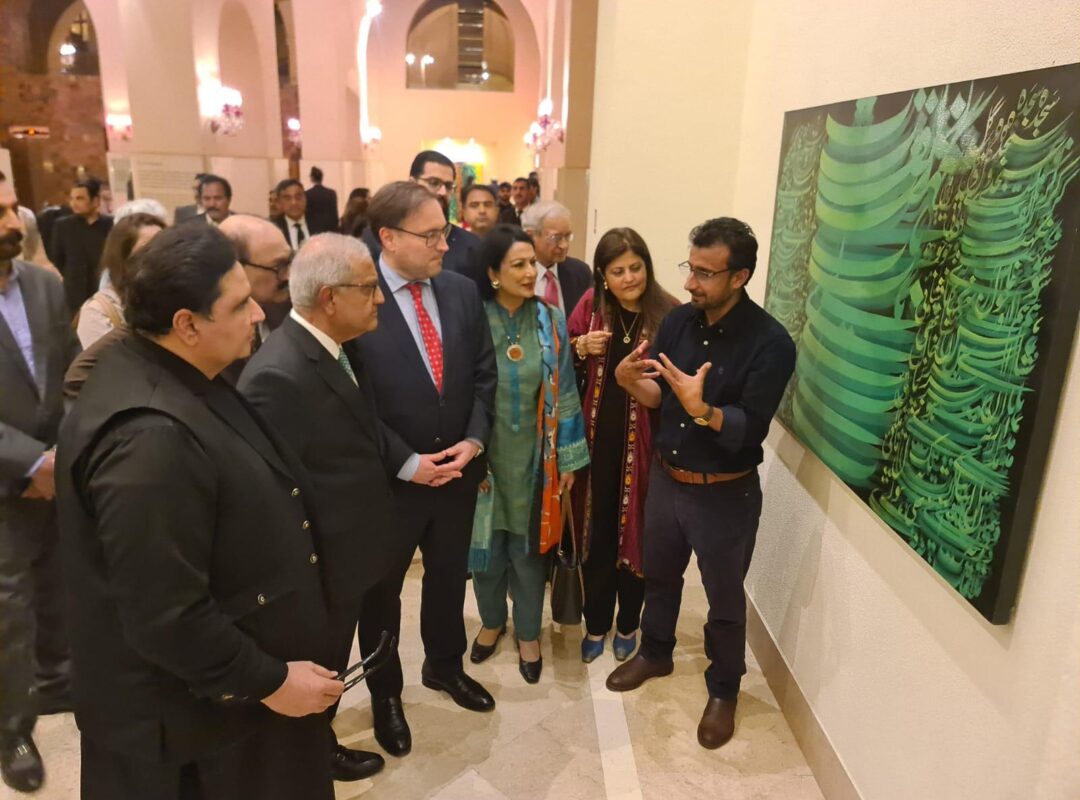
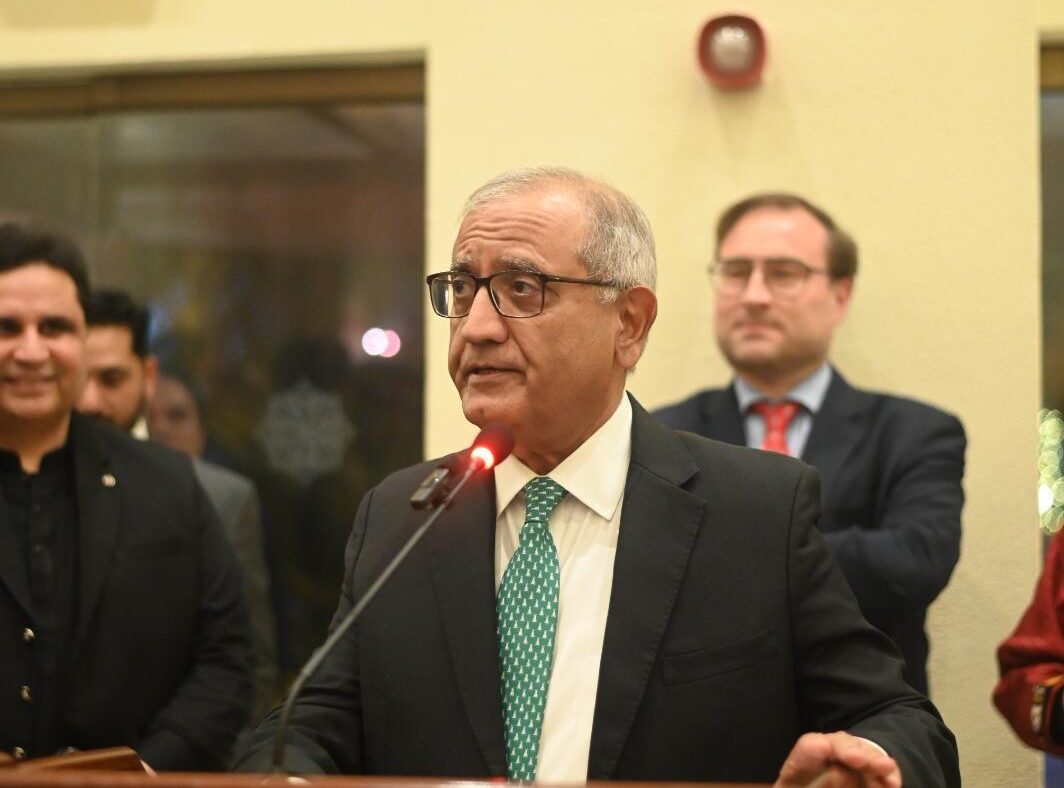
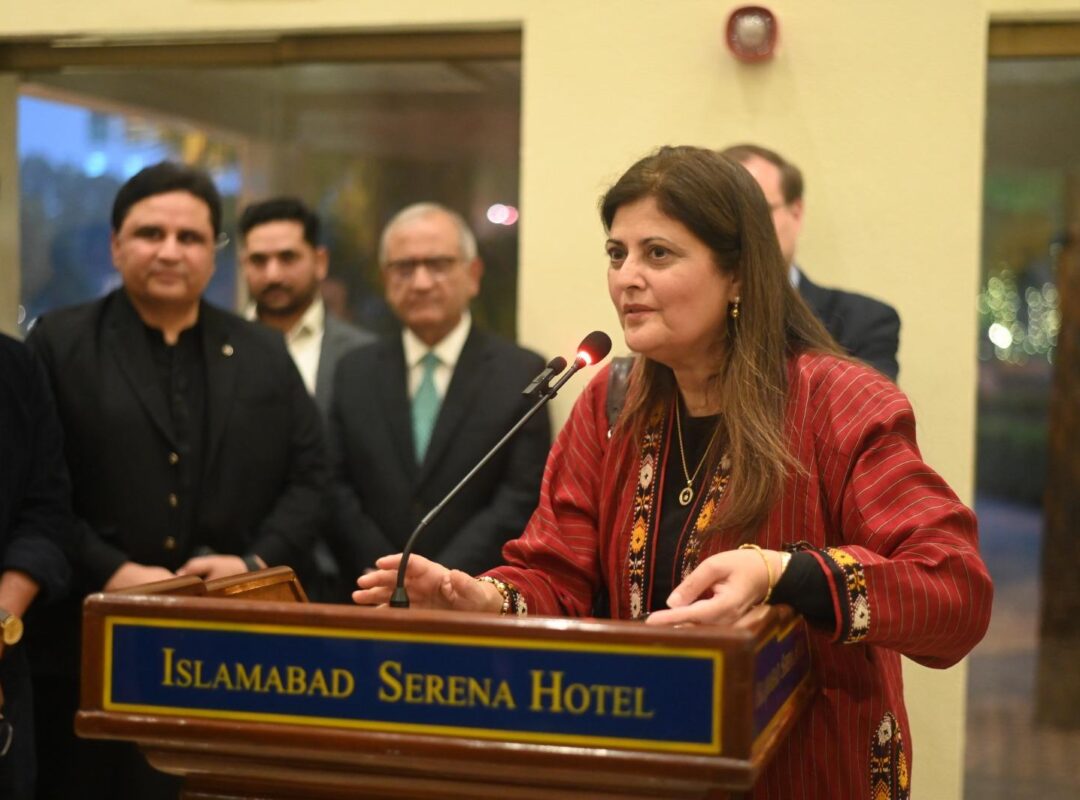
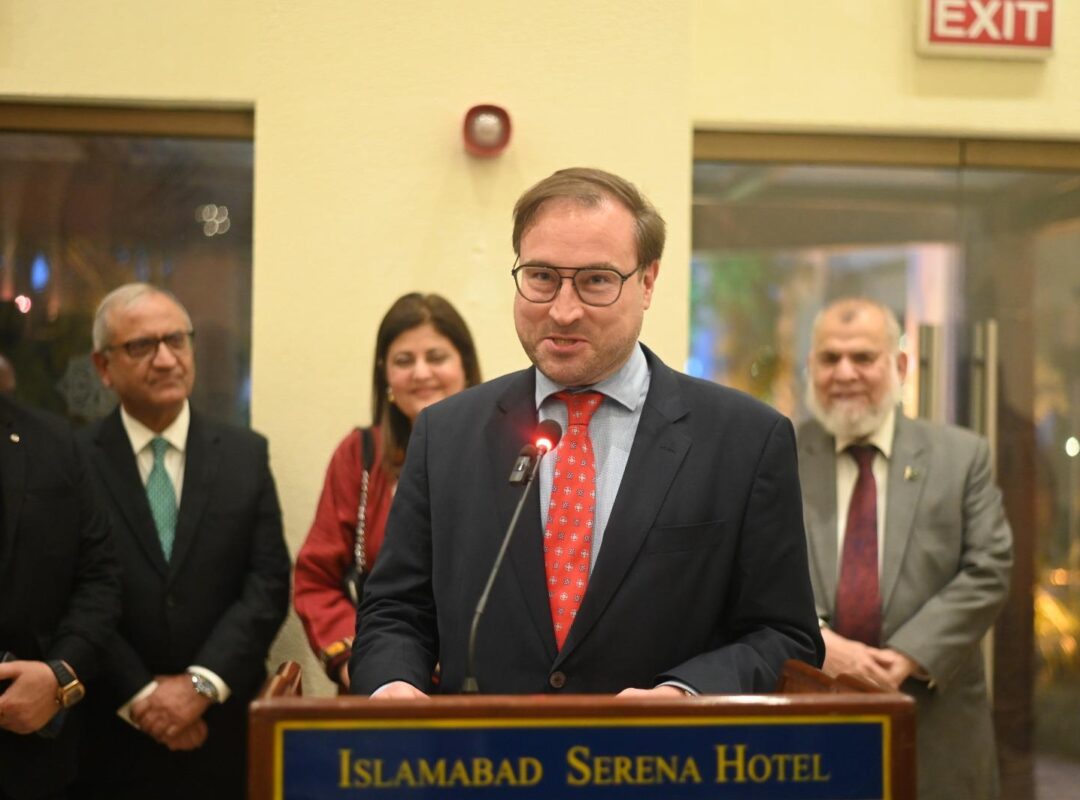
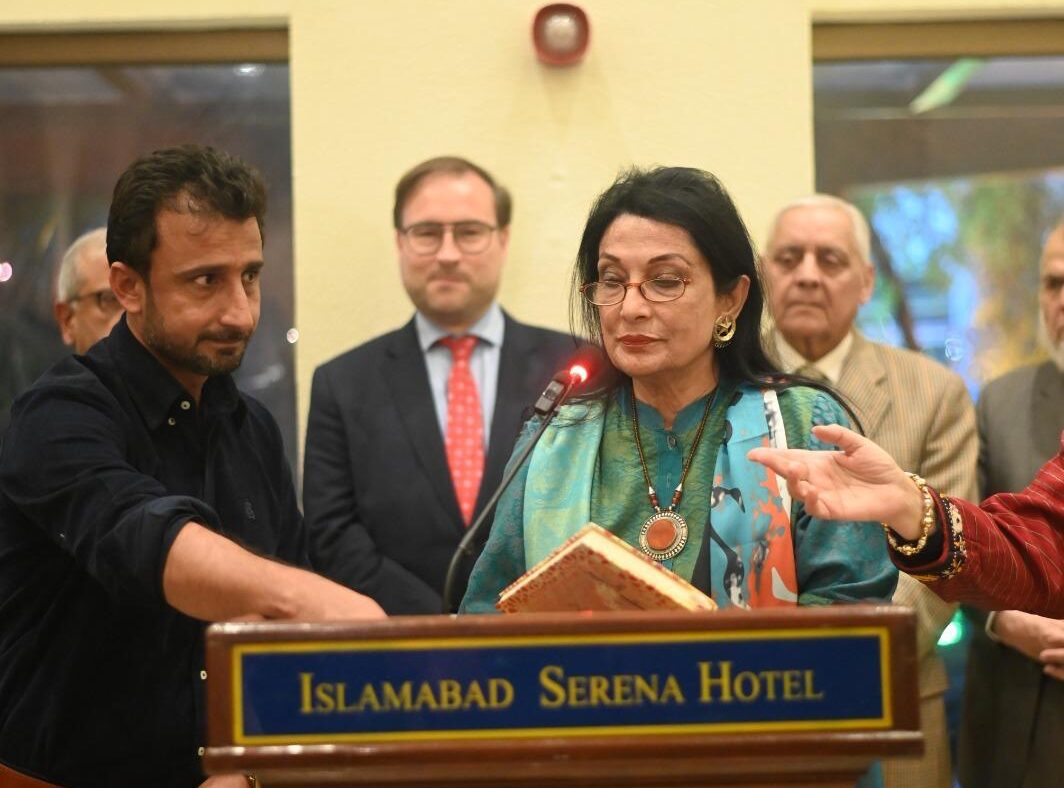
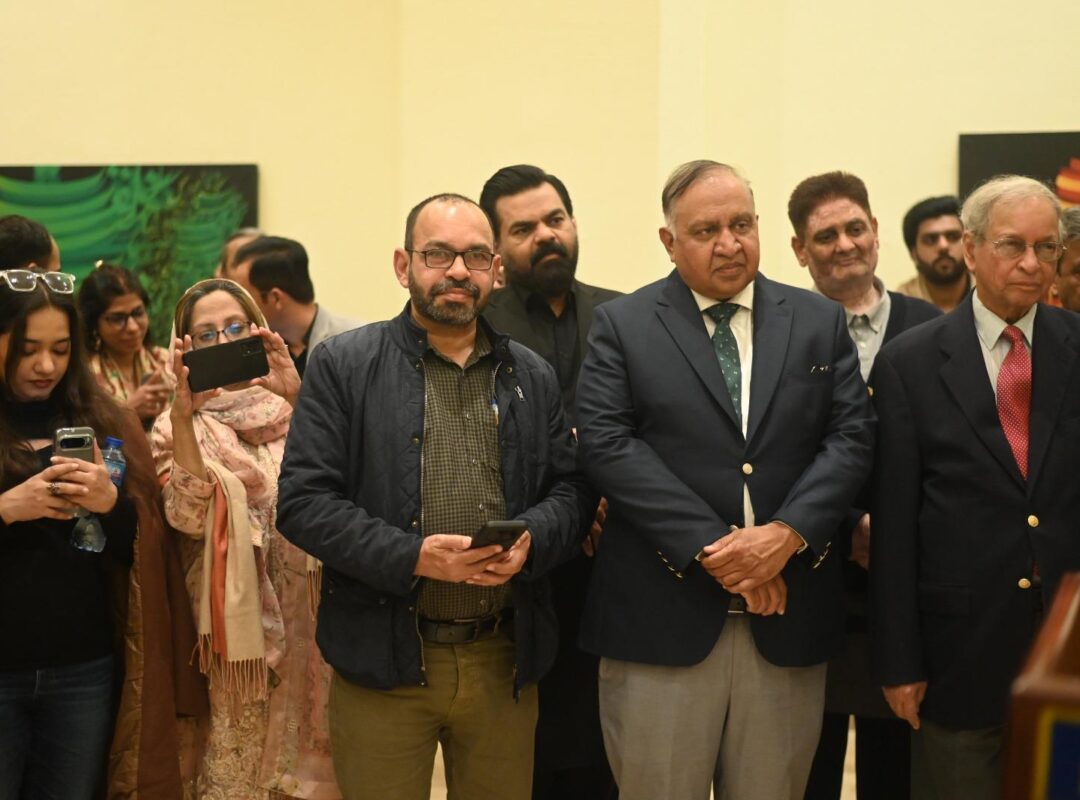
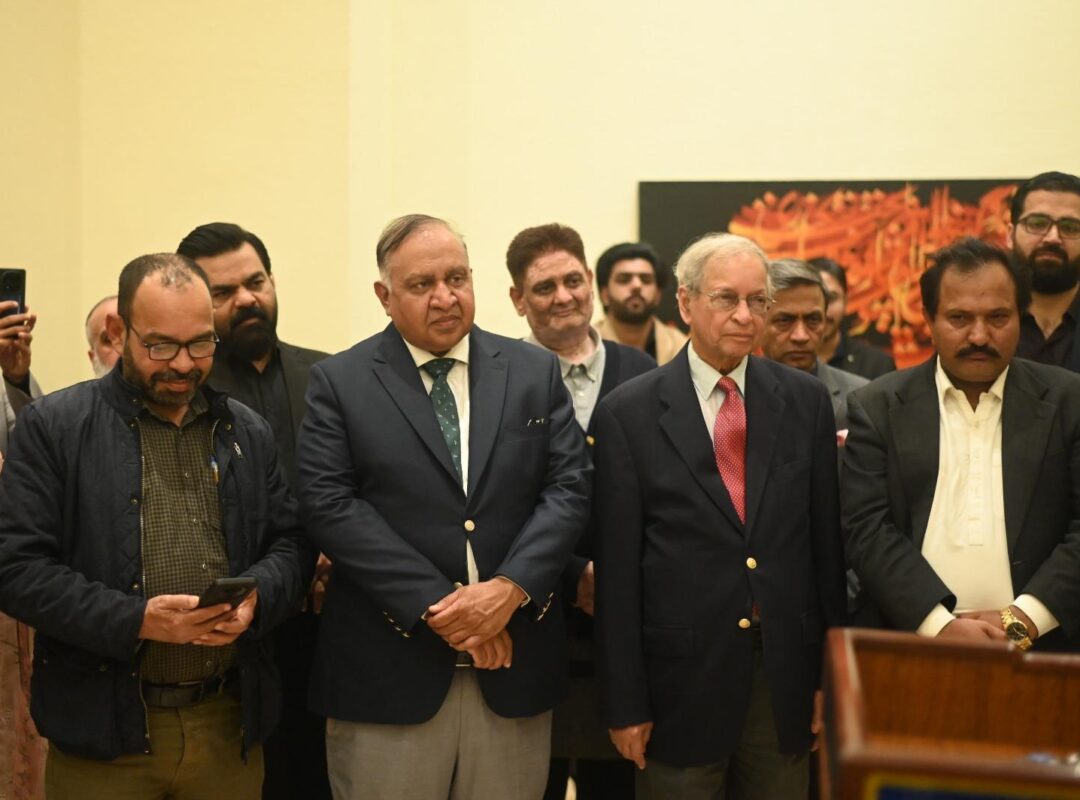
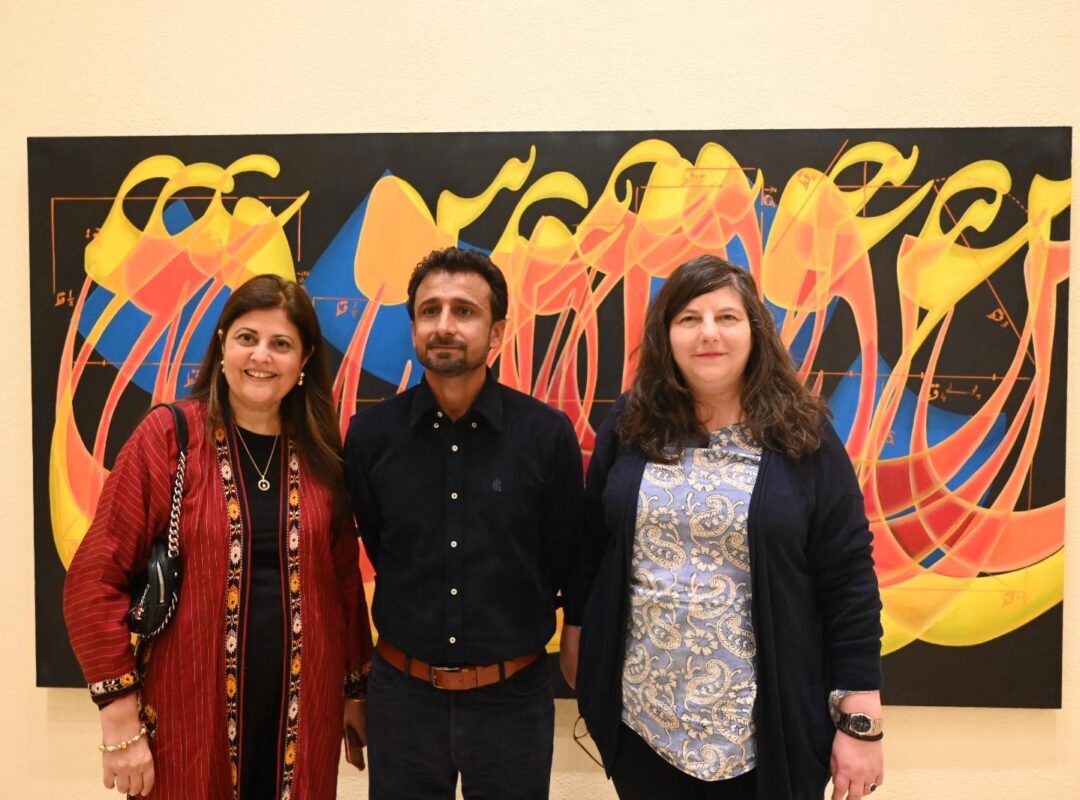
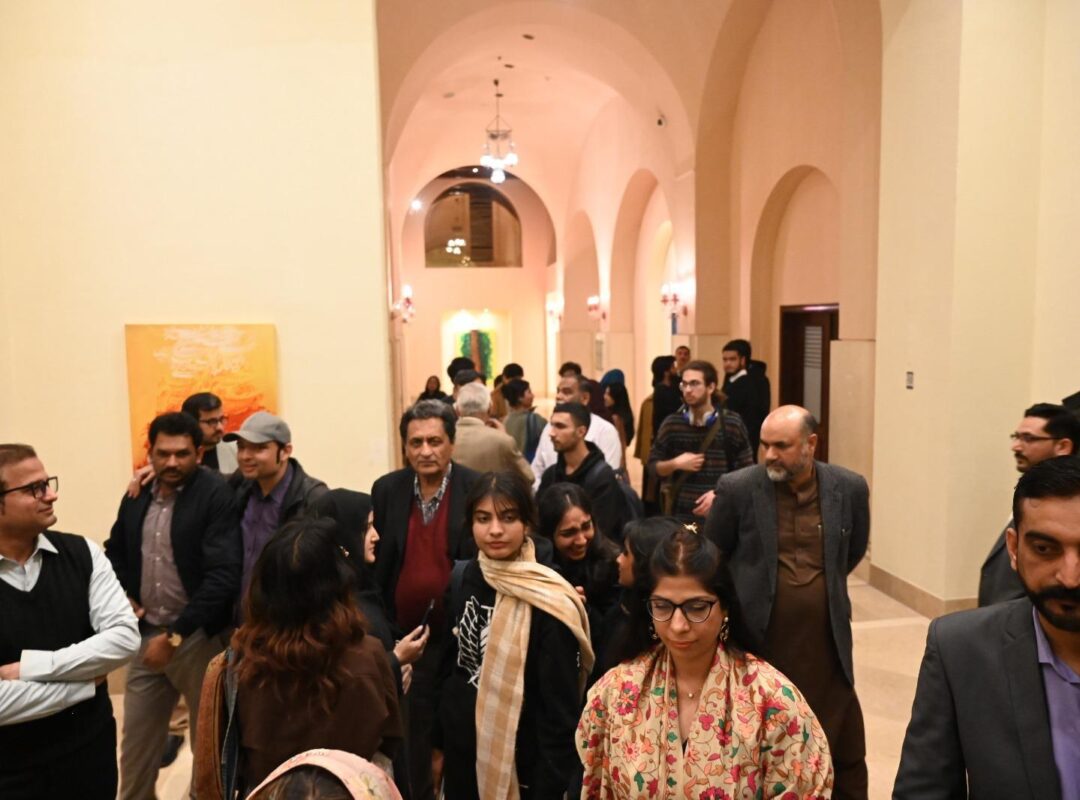
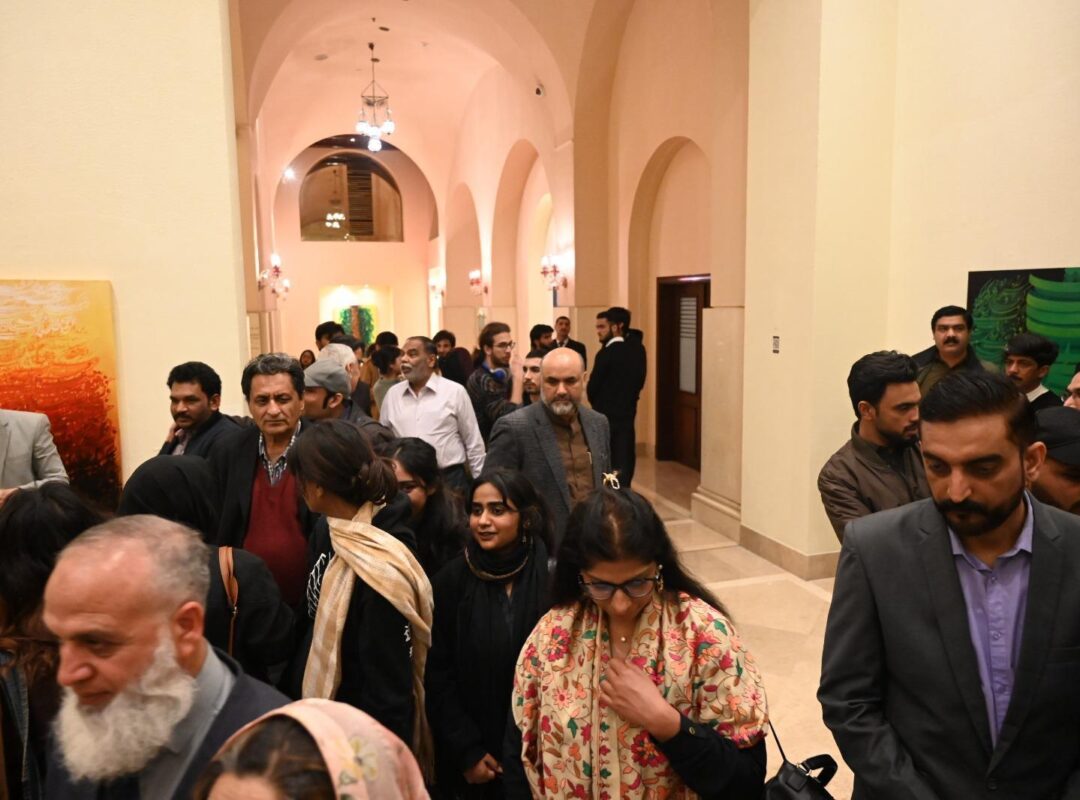
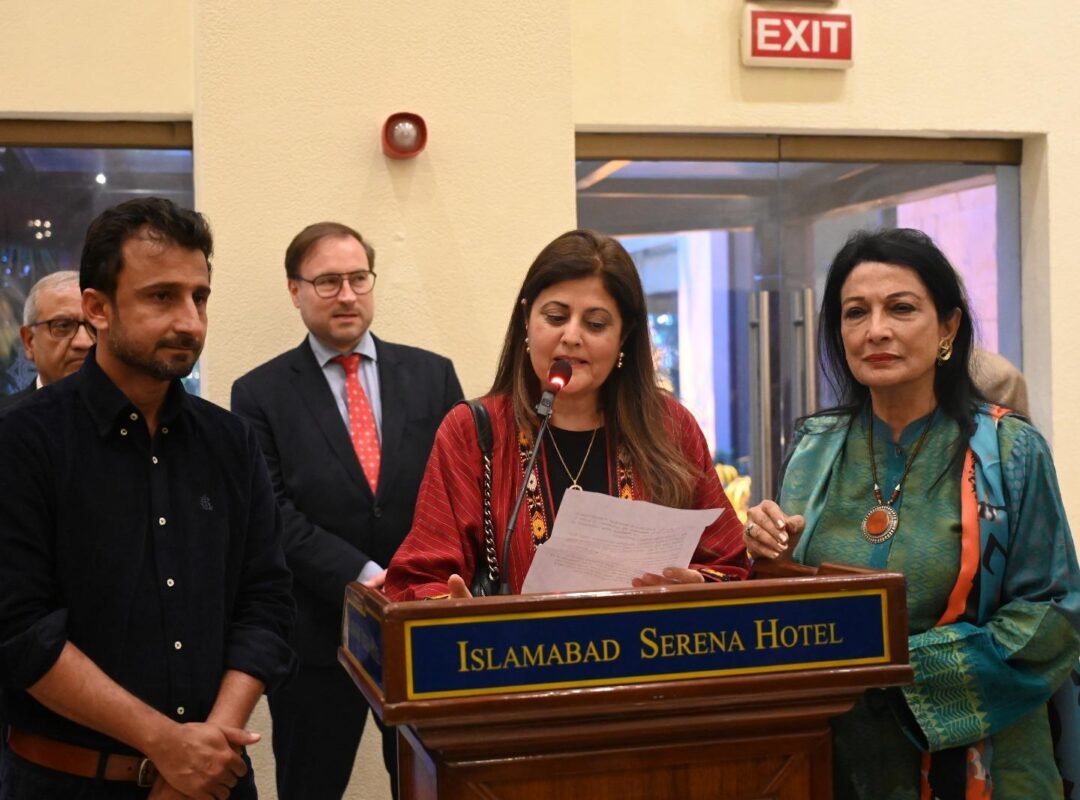
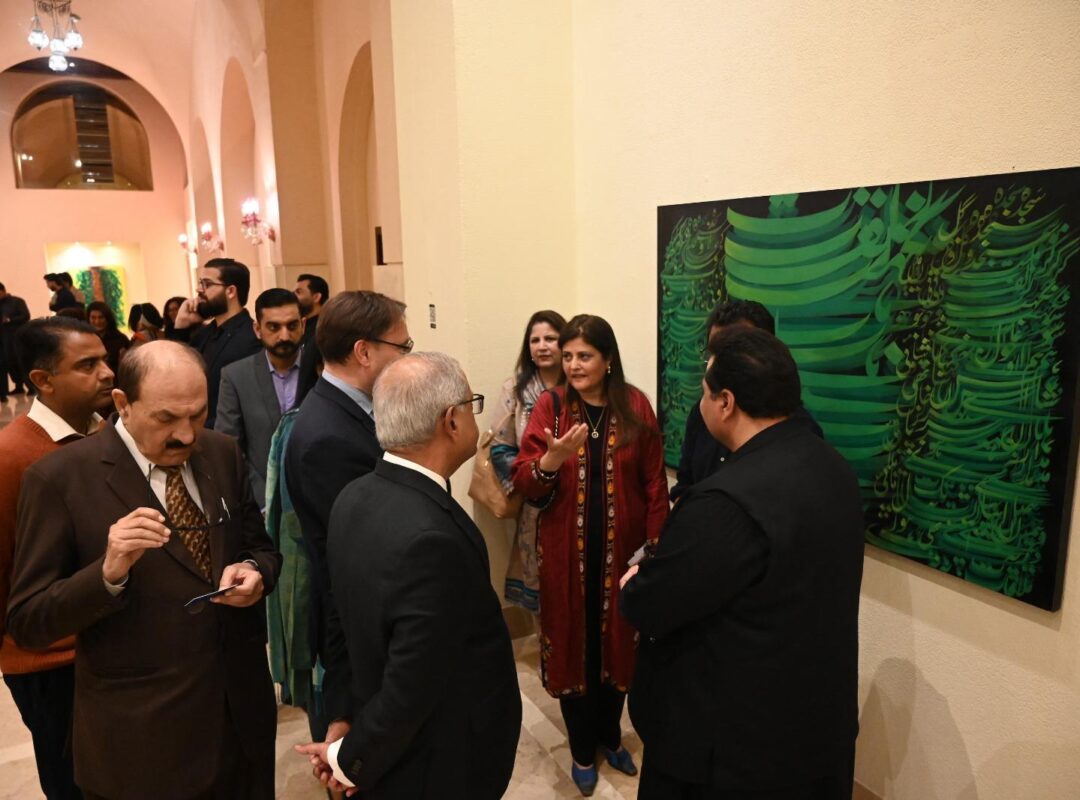
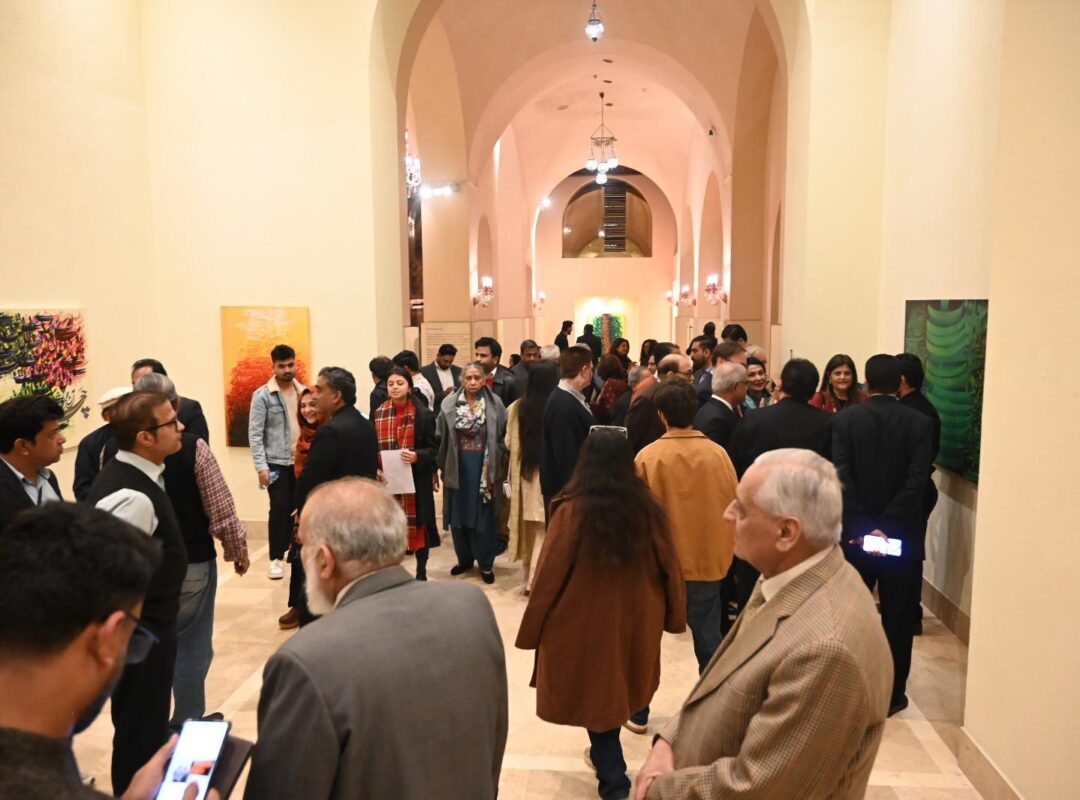
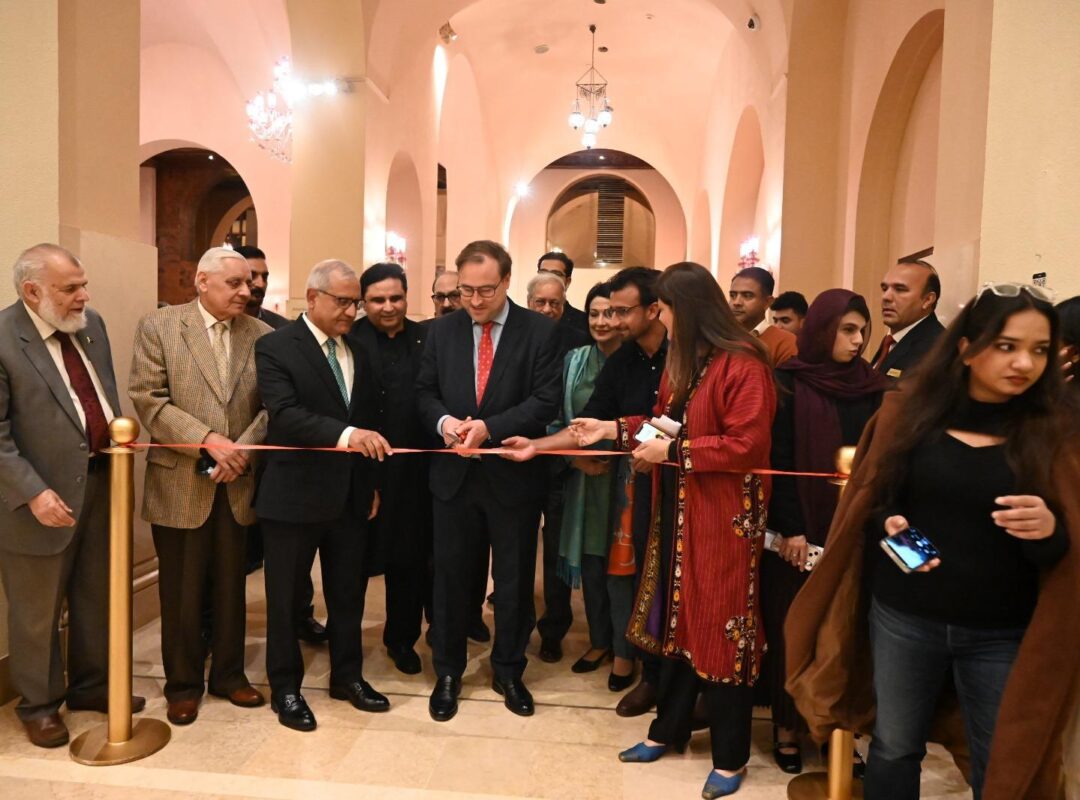
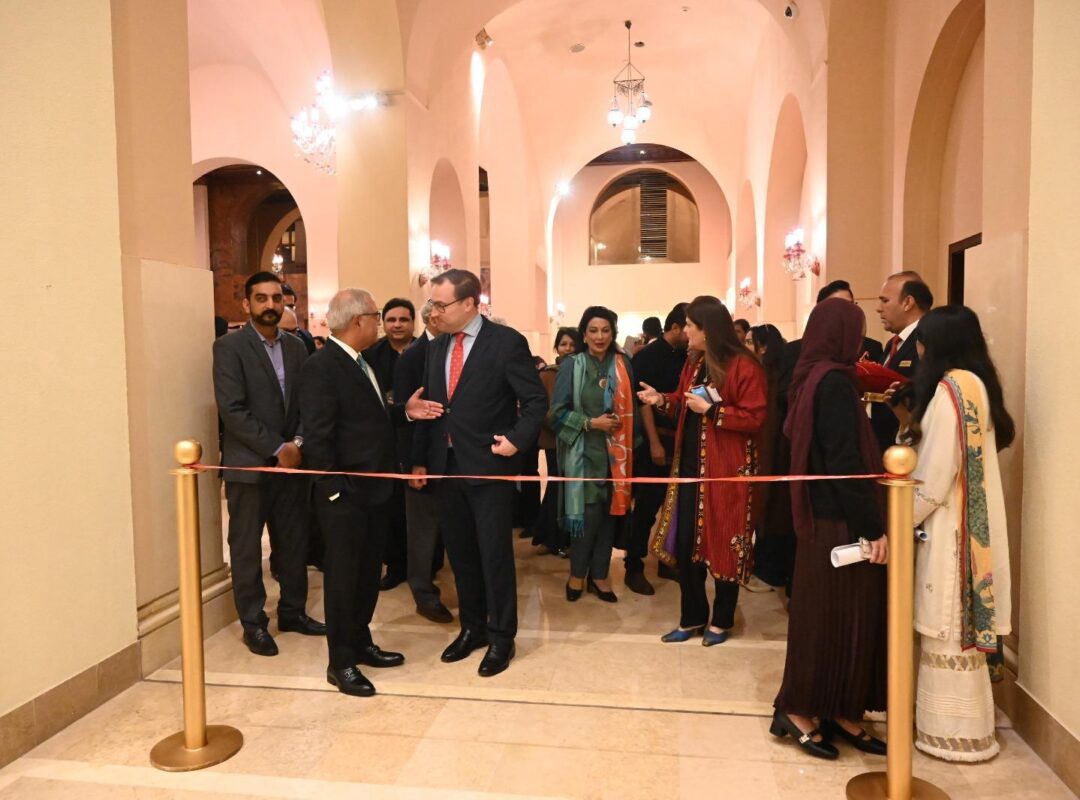
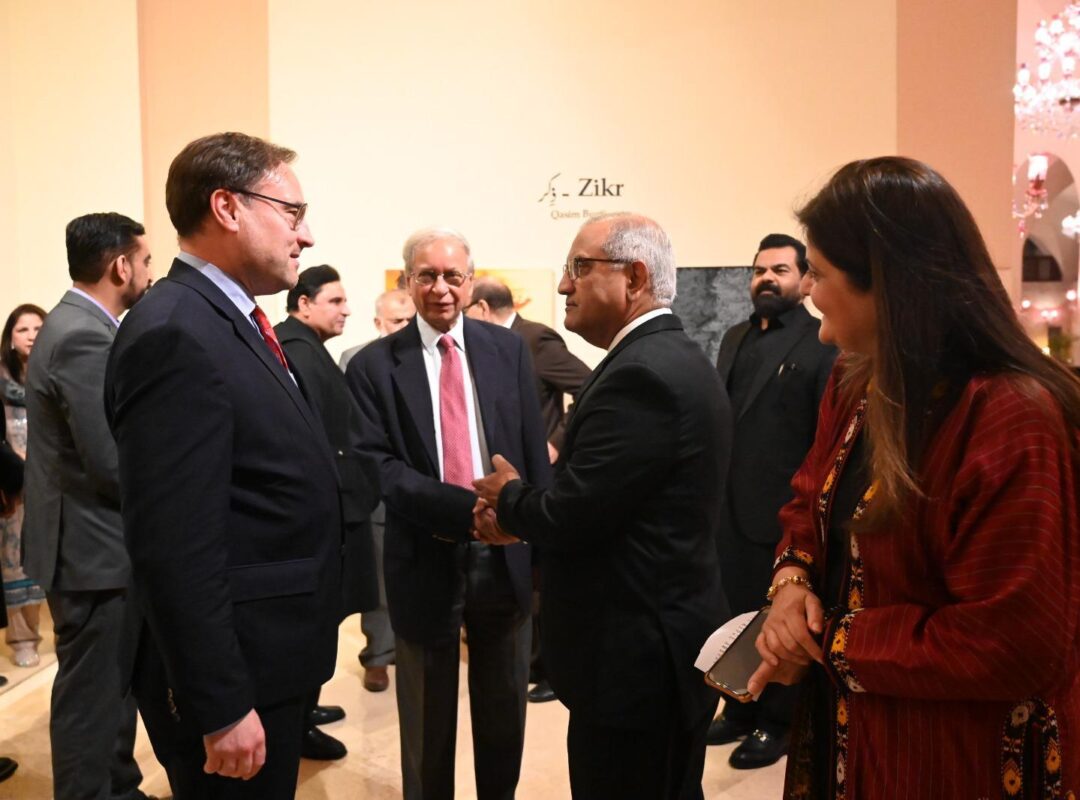
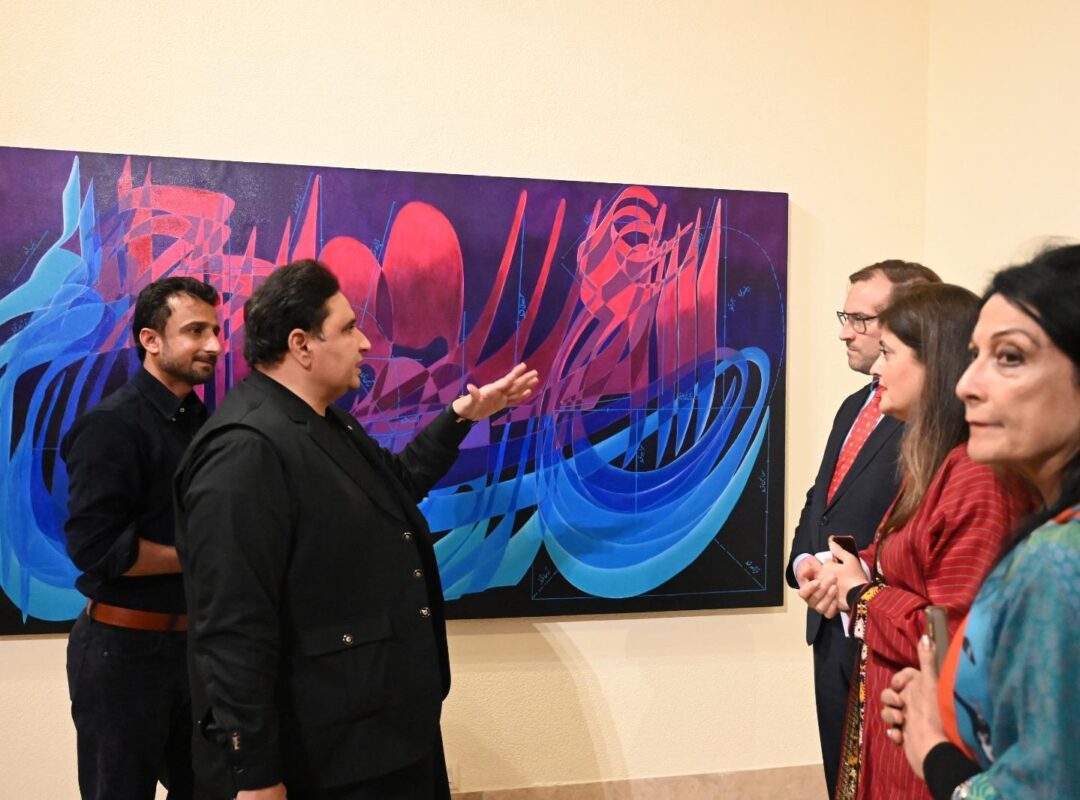
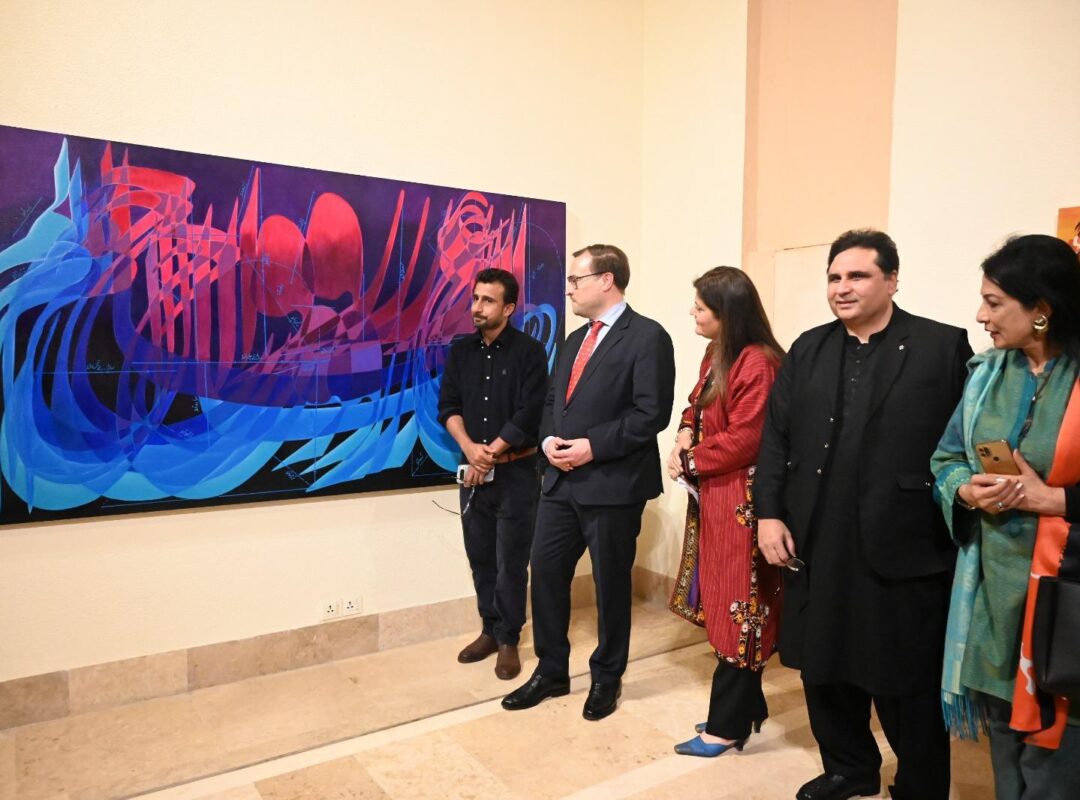
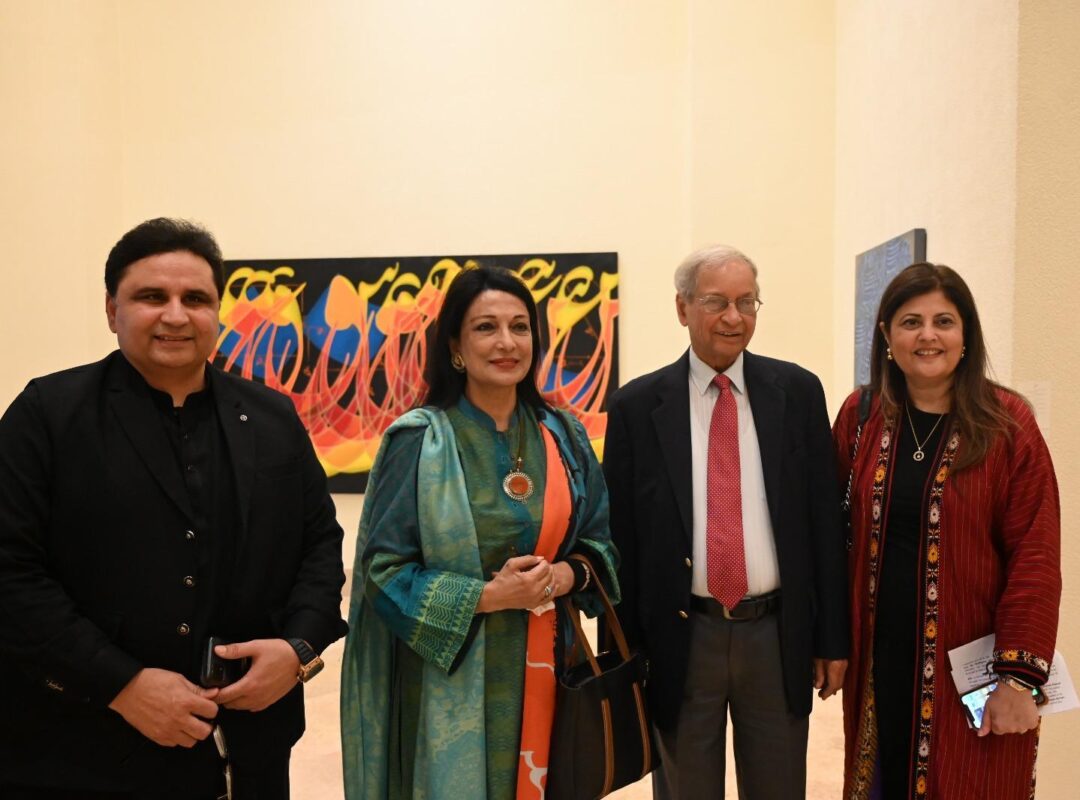
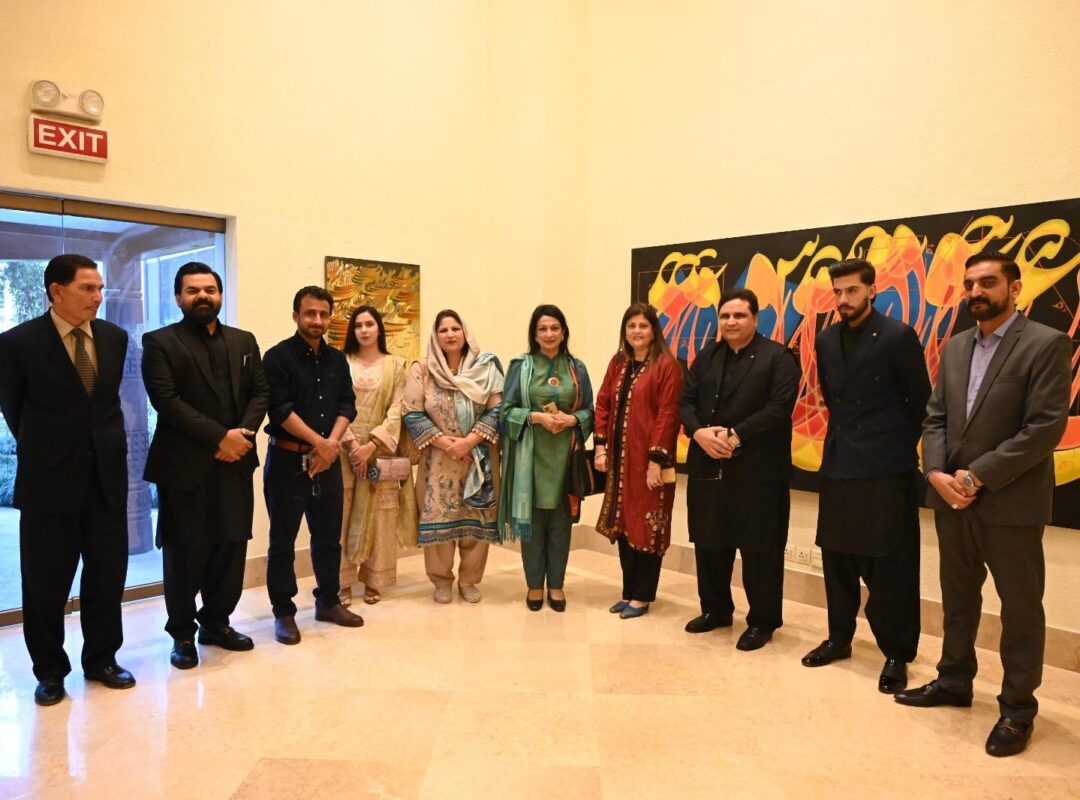
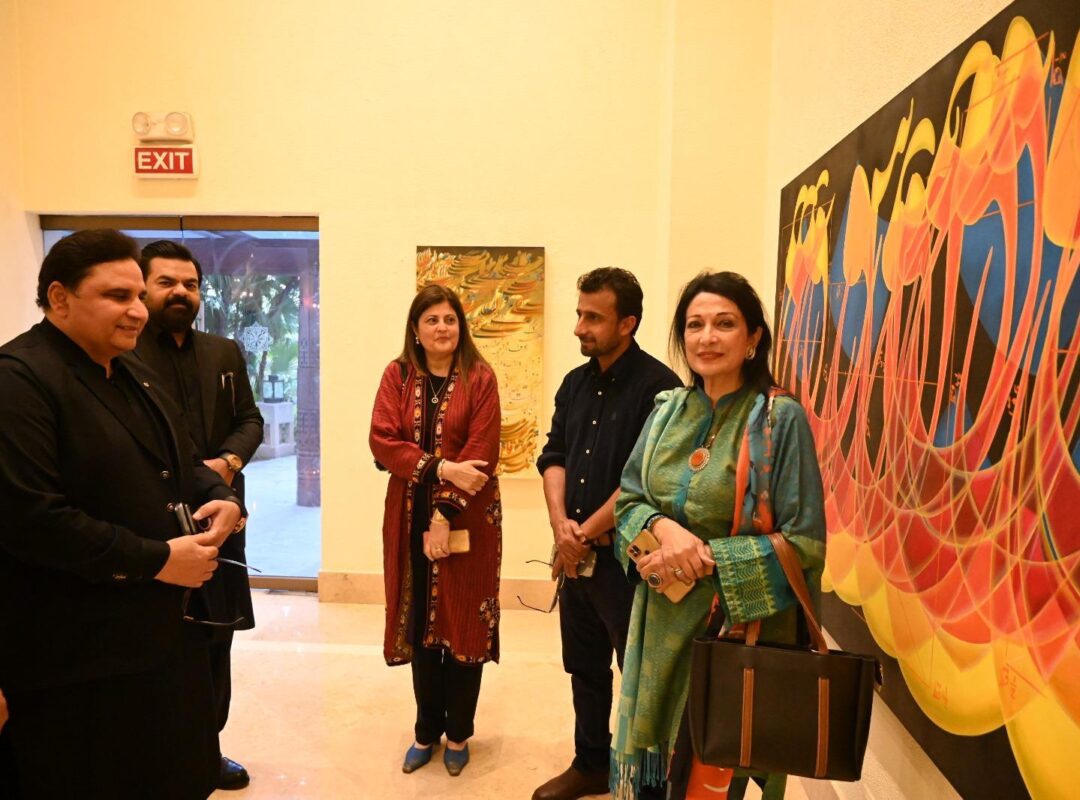
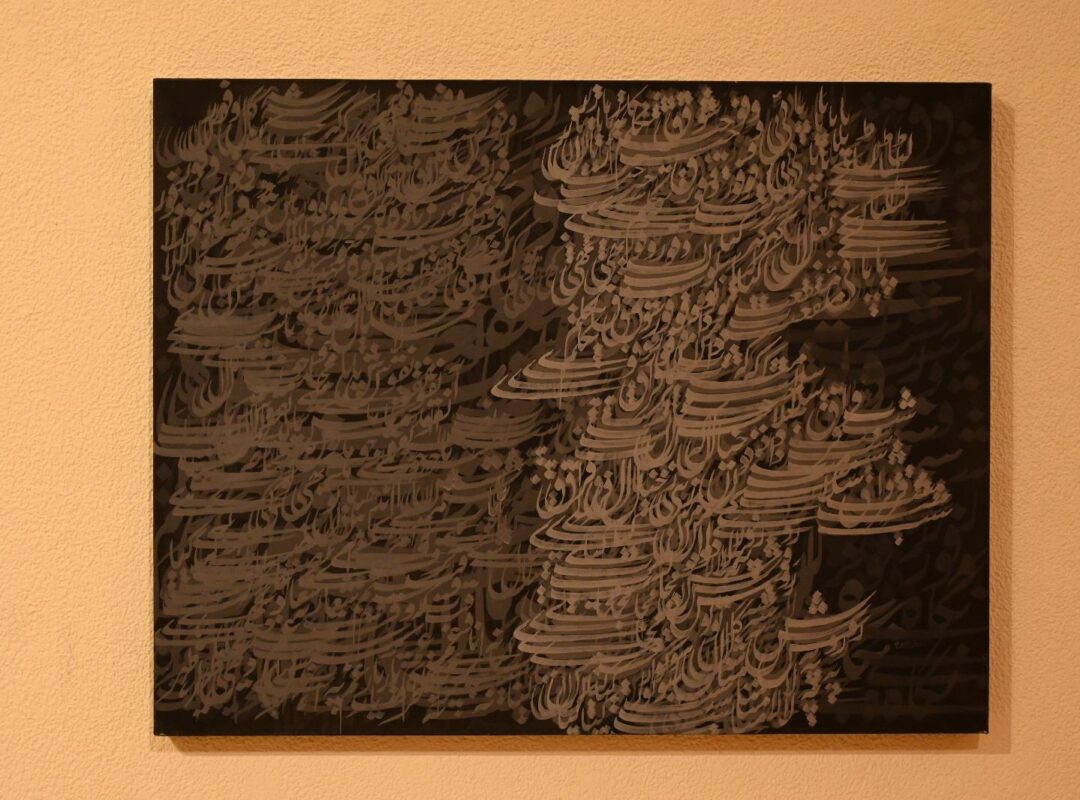
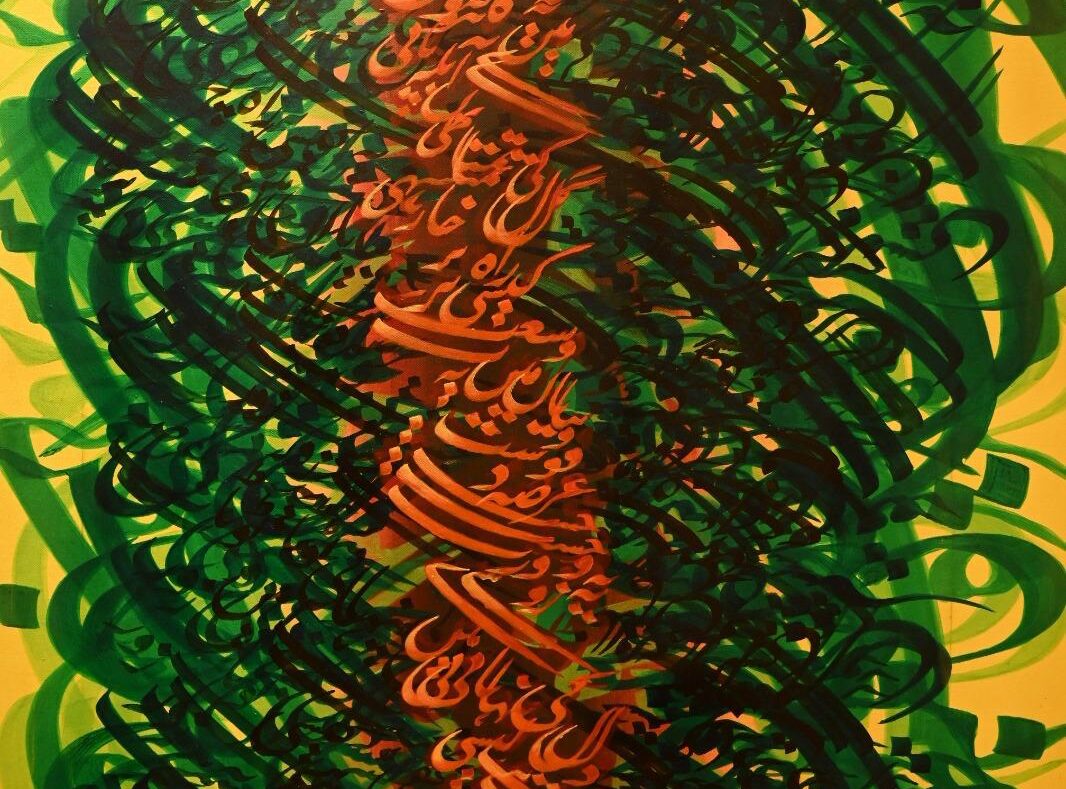
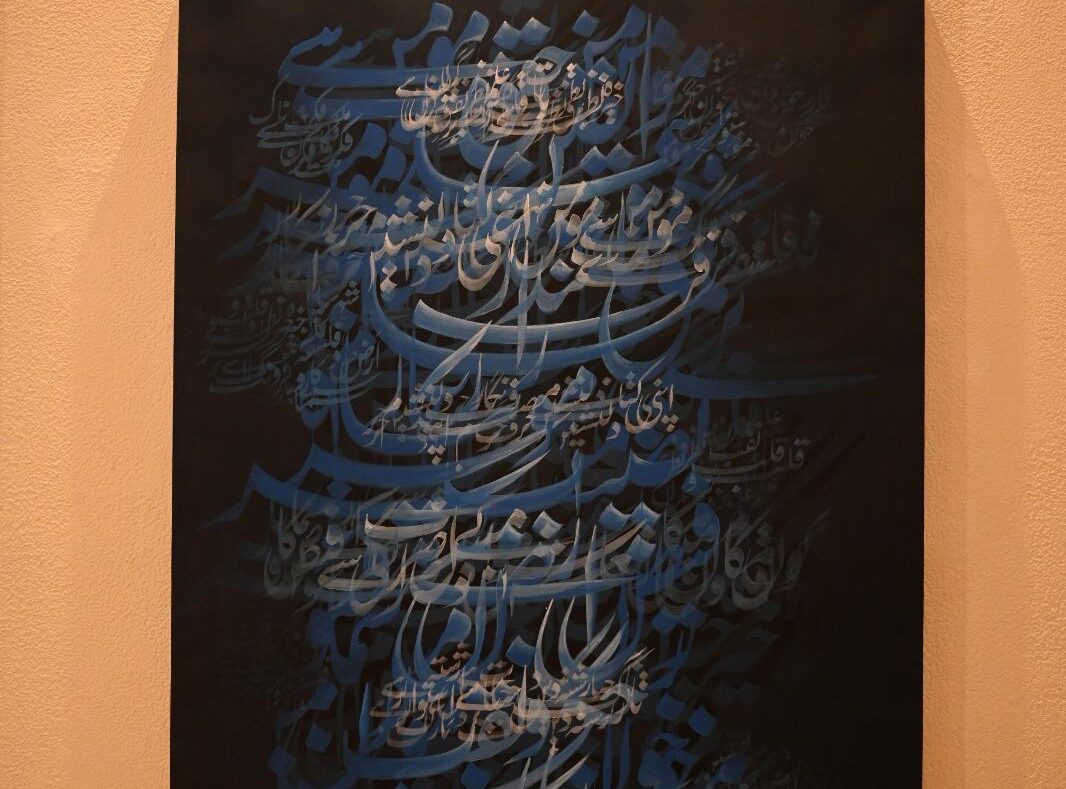
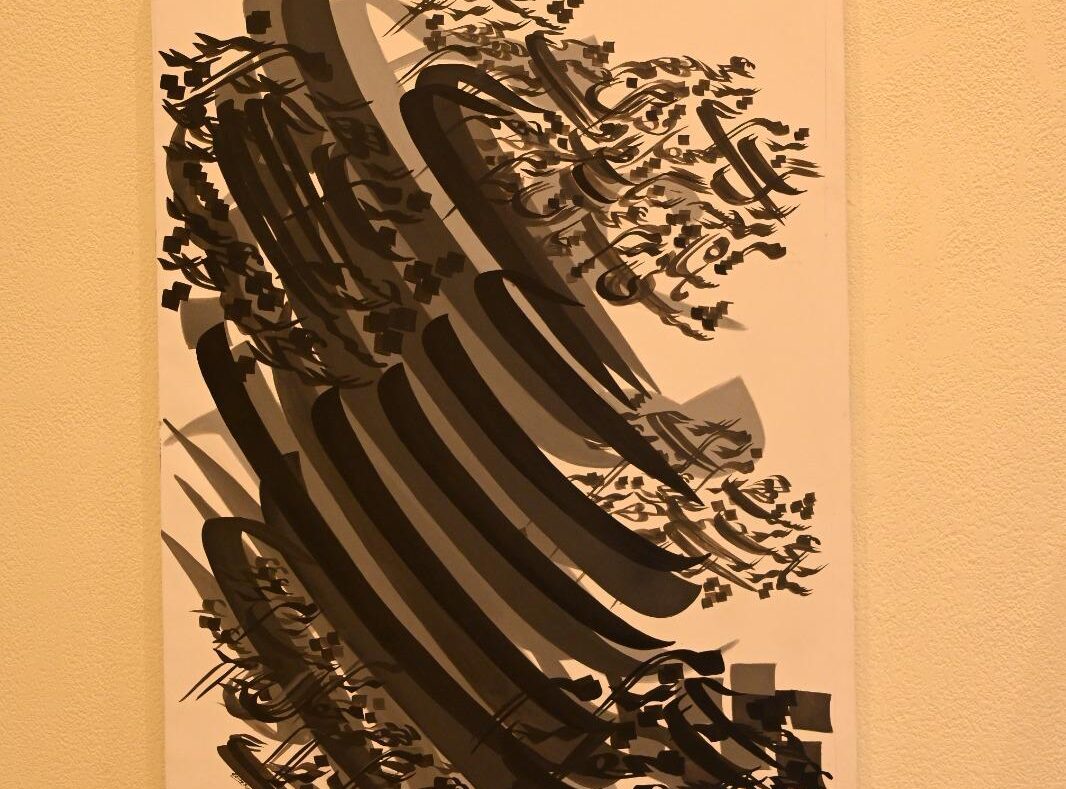
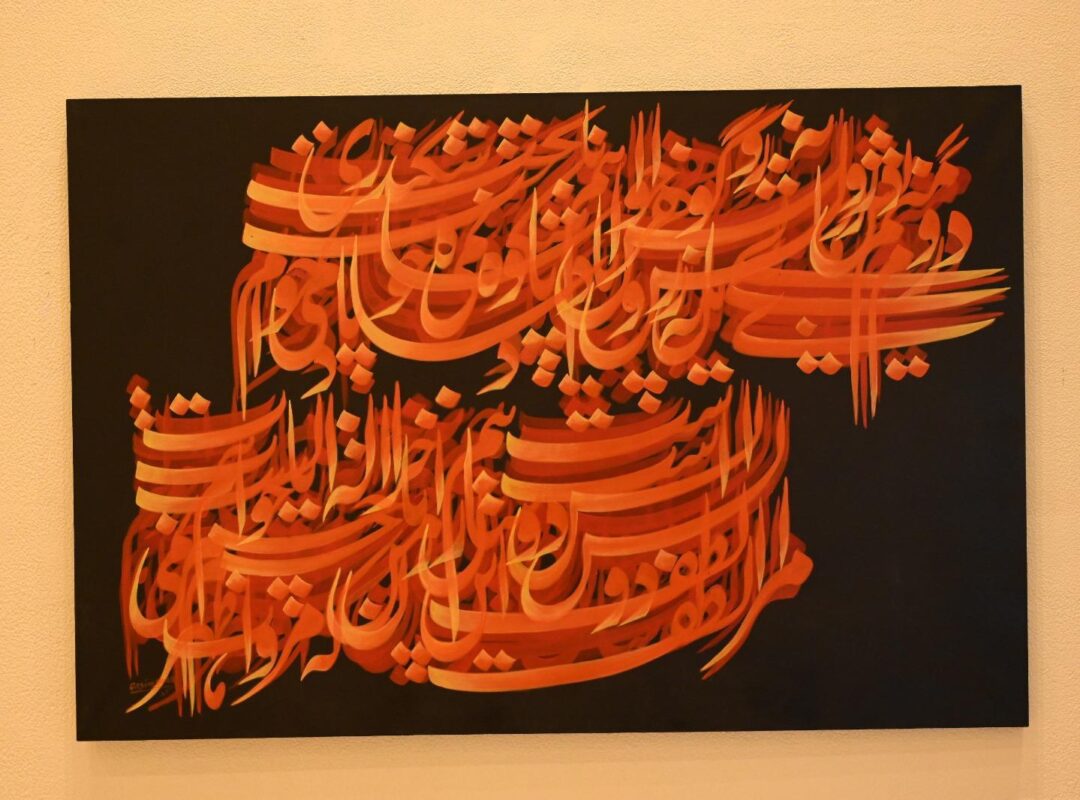
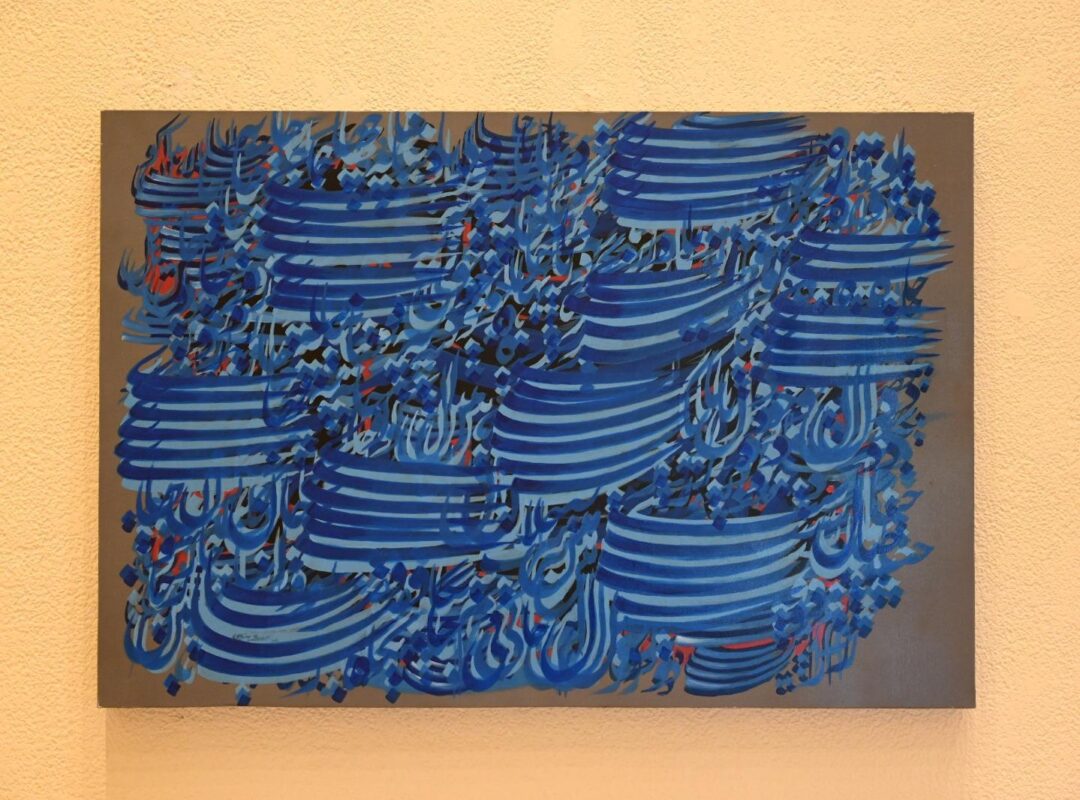
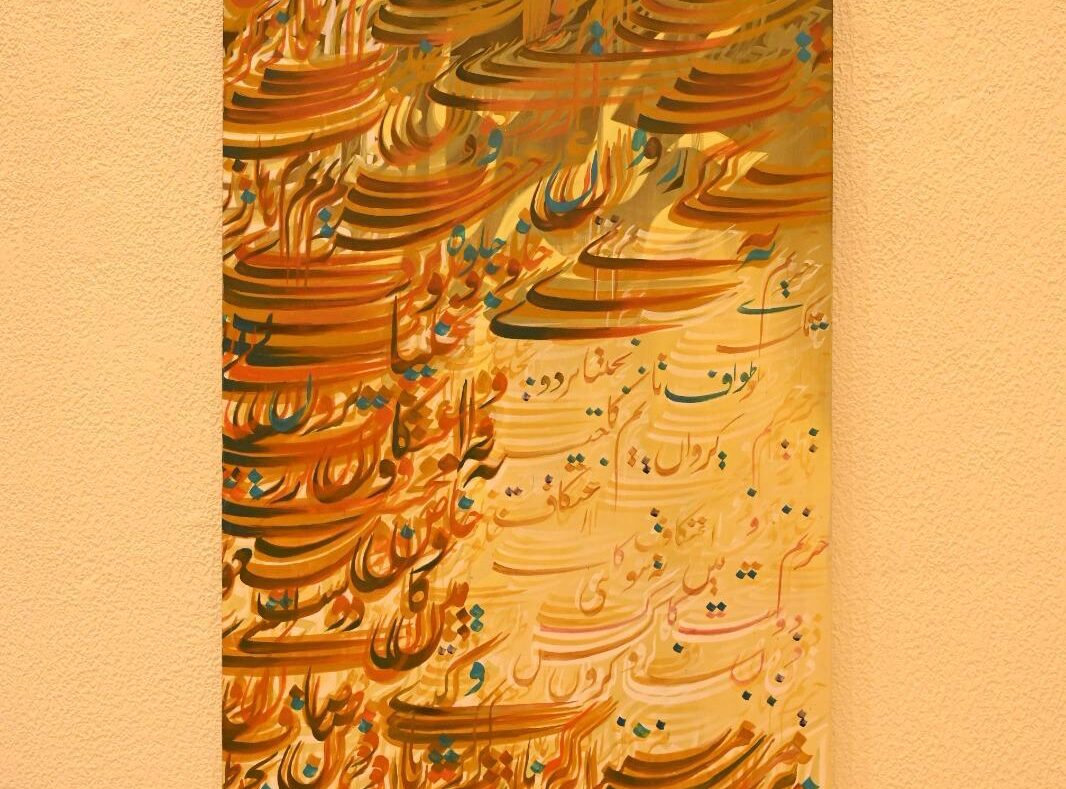
Ms. Khan highlighted that the exhibition is inspired by the profound Sufi poetry of Professor Mirza Ghulam Rasool Azhar, whose complete works were compiled by his son Sidique Usman , daughter Salma malik and professor Abdul Malik under the title “Kulliyat-e-Azhar.” She noted that this literary legacy has been a major driving force behind the show.
In a gesture of compassion during the holy month of Ramadan, a percentage of all sales from the exhibition will be donated to The Citizens Foundation (TCF). “TCF operates 2,261 school units across Pakistan, educating more than 320,000 students,” Ms. Khan said. “I would be truly grateful if you would take a moment to look at the TCF pamphlet and support this noble cause.”
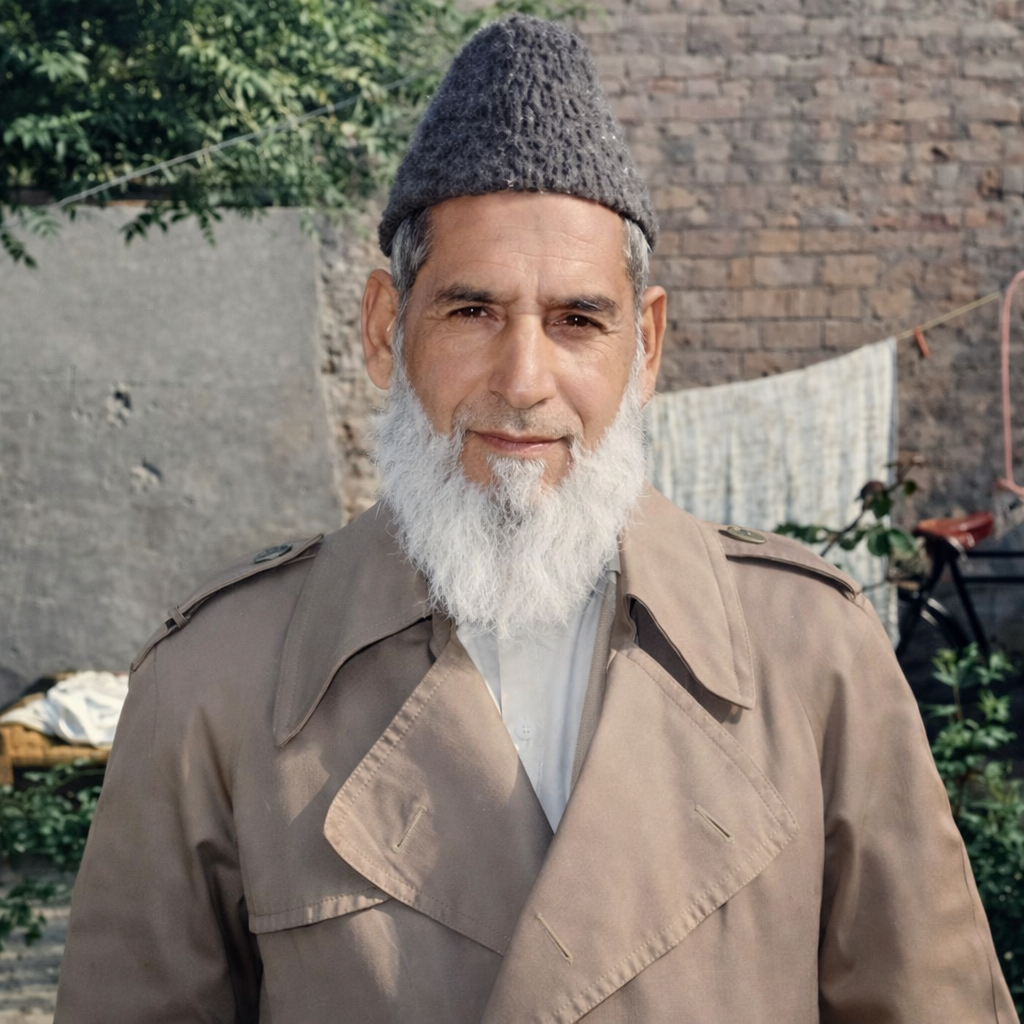
In his artist statement, Qasim Bugti explains that calligraphy and miniature painting are not separate practices for him but intertwined traditions sharing discipline, craftsmanship, and deep reflection.
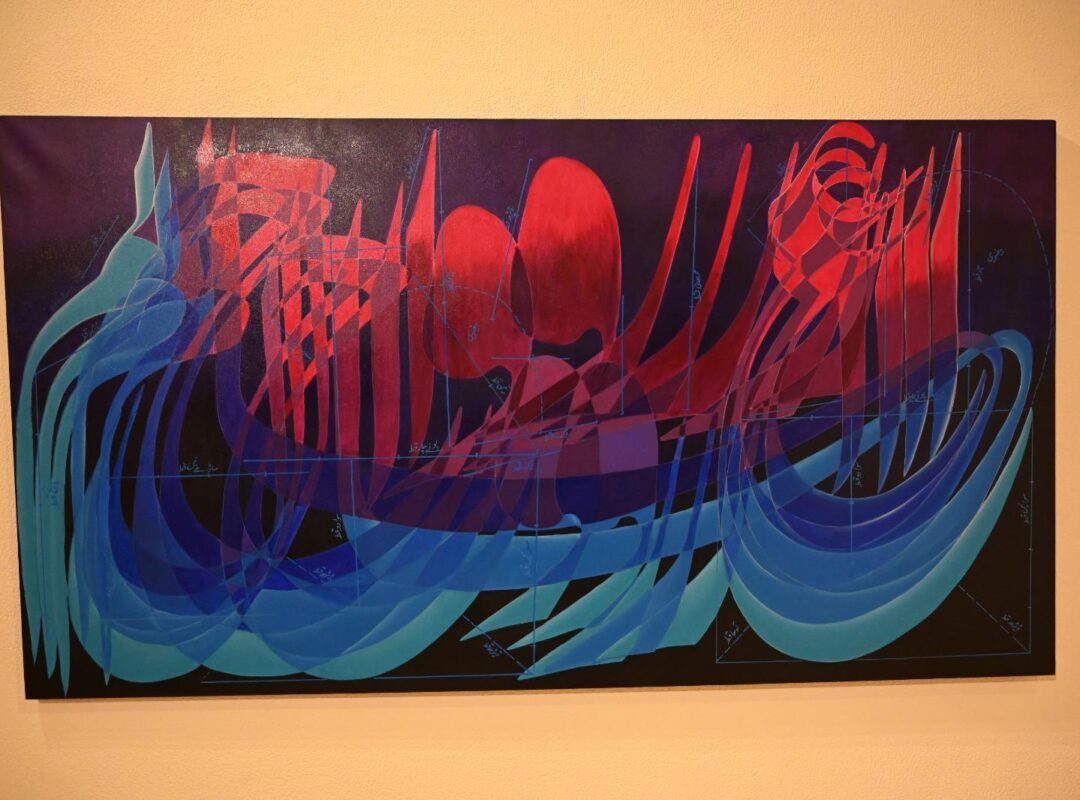
“My practice revolves around repetition,” he said. “In my paintings, repetition functions like zikr or sacred invocation — a continuous meditation on the Divine. Just as repeated prayers strengthen the bond between the human soul and the Divine, the repeated return to lines, words, and forms deepens spiritual awakening and fortifies the hidden connections between faith, memory, and existence.”
Bugti works primarily in the Nastaliq script — a calligraphic style deeply embedded in Pakistani culture and daily life — seamlessly integrating it with the delicate aesthetics of miniature painting. “By merging familiar language with the visual rhythm of meditation, I transform the everyday into a contemplative visual cadence,” he says.
Through layered marks, poetic fragments, and rhythmic repetition, his works seek to capture the soul’s presence, the transient nature of the material world, and emotions that often defy words. “Each painting becomes an ongoing act of spiritual reflection — an attempt to give form to the invisible, and a celebration of devotion, rhythm, and inner silence.”
The exhibition draws its emotional and spiritual core from the life and poetry of Professor Mirza Ghulam Rasool Azhar (1940–1997). Born in the village of Madah Pur, District Toba Tek Singh, into a modest rural family, Professor Azhar rose through scholarship and spiritual depth. After early education in Toba Tek Singh, he moved to Quetta, where he began his career as a school teacher while pursuing higher studies. He earned Bachelor’s and Master’s degrees in Urdu Literature and later served as a college lecturer for fourteen years in Balochistan before continuing his service in Punjab — Mianwali, Samundri, and finally Gojra — until his retirement.
A master of Urdu, Arabic, and Persian with an extensive personal library, Professor Azhar was not only a scholar but a contemplative thinker. In addition to poetry, he authored a stage drama titled “Hakeem Sahib,” yet it was poetry that remained the truest mirror of his inner world.
Deeply inclined toward Sufism and Tasawwuf, he viewed spirituality as an inward discipline. His poetry is devoted entirely to Ishq-e-Haqeeqi — the love of the Divine — expressing longing for closeness to God, humility in surrender, the pain of separation, and the serenity of spiritual nearness. His life was marked by solitude, night-long devotions, and extended hours of meditation and prayer.
As his younger son, Siddique Usman, writes in the biographical note: “Tasawwuf, as embodied in his life and poetry, represents the purification of the self, the discipline of the ego, and the alignment of the heart with Divine will. His language carries classical dignity and Persian influence, yet its strongest quality is sincerity. His poetry preserves the record of a sincere spiritual journey and invites reflection upon
Professor Salma Malik
Taking to “The Vigilant”said that “Kuliyat-e-Azhar is my respected father’s book. It will be a valuable addition to modern poetry. In it, you will find the color of Sufism; you will find Hamdiya (praise of Allah and the Prophet) poetry; you will find both metaphorical (majazi) love and real (haqiqi) love. So all these shades have come together in one book.
My respected father had a personality in which Sufism was deeply ingrained, a religious color was immersed. Besides that, he also loved humanity. The color of metaphor (majaz) is also present in his work.
Children are a continuing charity (sadaqah jariyah) in life. Parents raise their children, but if your father is also a teacher and your mother is also a teacher, then the impact on the children is profound. Whatever I have learned in life, I learned from my respected father. He is my favorite personality, and I feel great pride in being the daughter of such an educated and wonderful father who taught me so much in life. I am not only his daughter—I am also his student.”
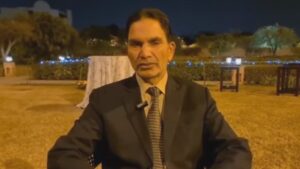
Siddiq Usman said ( son)
“I am the President of Azhar Construction Incorporated in the USA and the Chief Executive Officer of Qita Developers Pakistan. My father passed away in 1997. He had a book that we published two years ago—Kuliyat-e-Azhar. Then we did a transformation: from poetry to art and music. We created a book for this, and we held a solo show at String Art Gallery in Islamabad. On his ghazals and poems, Qasim Bukti—one of Pakistan’s top artists—worked on abstract calligraphy. The inauguration of this solo show happened today.
Along with that, we transformed this poetry into music as well. In our team, Ustad Hamid Ali Khan sahab has prepared two ghazals so far, which are ready for release. And a classical singer from Sindh, Aslam Iqbal sahab, has already released one of his ghazals—”Nukt-e-Zulf” (نکت زلف). So this journey is ongoing: the transformation from poetry to music and art. We will continue it, and with time, work on it will keep progressing.”
Professor Dr. Muhammad Malik (the compiler)
Said that “My name is Professor Dr. Muhammad Malik. I compiled and edited this book Kuliyat-e-Azhar. It required a lot of hard work—almost six to eight months. I had to read the poetry repeatedly. This book was compiled from his original diary. There were many parts that had faded or become unclear, making them very difficult to read. It required great effort—reading over and over, figuring out the context.
But Alhamdulillah, after six, seven, or eight months of intense effort, I succeeded in compiling it. This will be a rare and precious addition to Urdu poetry. For those who appreciate poetry and literature, it will be a very valuable gift.
The poetry begins with Hamd (praise of Allah), then Naat (praise of the Prophet), then ghazals. After ghazals, there are some nazms (poems), then salaam in honor of Ahl-e-Bait, and a sehra (poetic garland) for Ahl-e-Bait.
In particular, there are some ghazals that are still masterpieces even today. For example, on page 144 (or 64?) of the book, there is a challenging ghazal whose qafiya (rhyme) and radif (refrain) are extremely difficult even now.
This translation preserves the emotional, respectful, and literary tone of the original speakers. The book Kuliyat-e-Azhar is celebrated as a rare collection blending classical and spiritual elements, compiled posthumously from the poet’s diaries, and extended into art (abstract calligraphy by Qasim Bukti) and music (ghazals set to classical renditions)”