By: Farooq Mirza
United Nations, March 12, 2026: Pakistan has called for structural reforms to ensure that justice systems deliver real protection and remedies for women and girls, warning that gender equality weakens at its core when women cannot access justice.
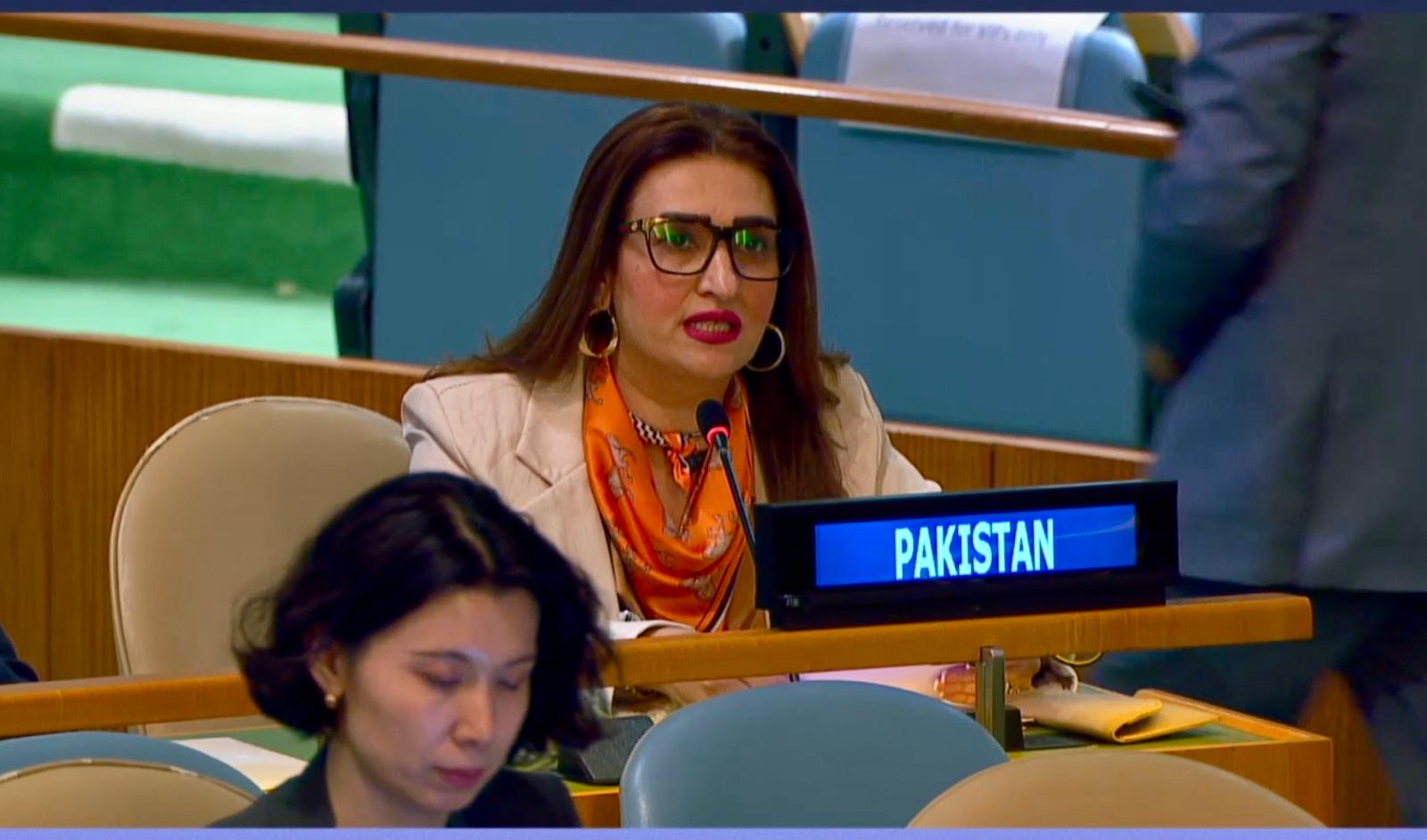
In remarks during the General Debate of the 70th Session of the Commission on the Status of Women (CSW) at the UN headquarters, held under the theme of strengthening access to justice for all women and girls, Senator Bushra Anjum Butt, who is leading the Pakistan delegation, said the global community must translate commitments into institutional reality so that laws protect, systems respond, and justice reaches every woman and girl without discrimination or access barriers.
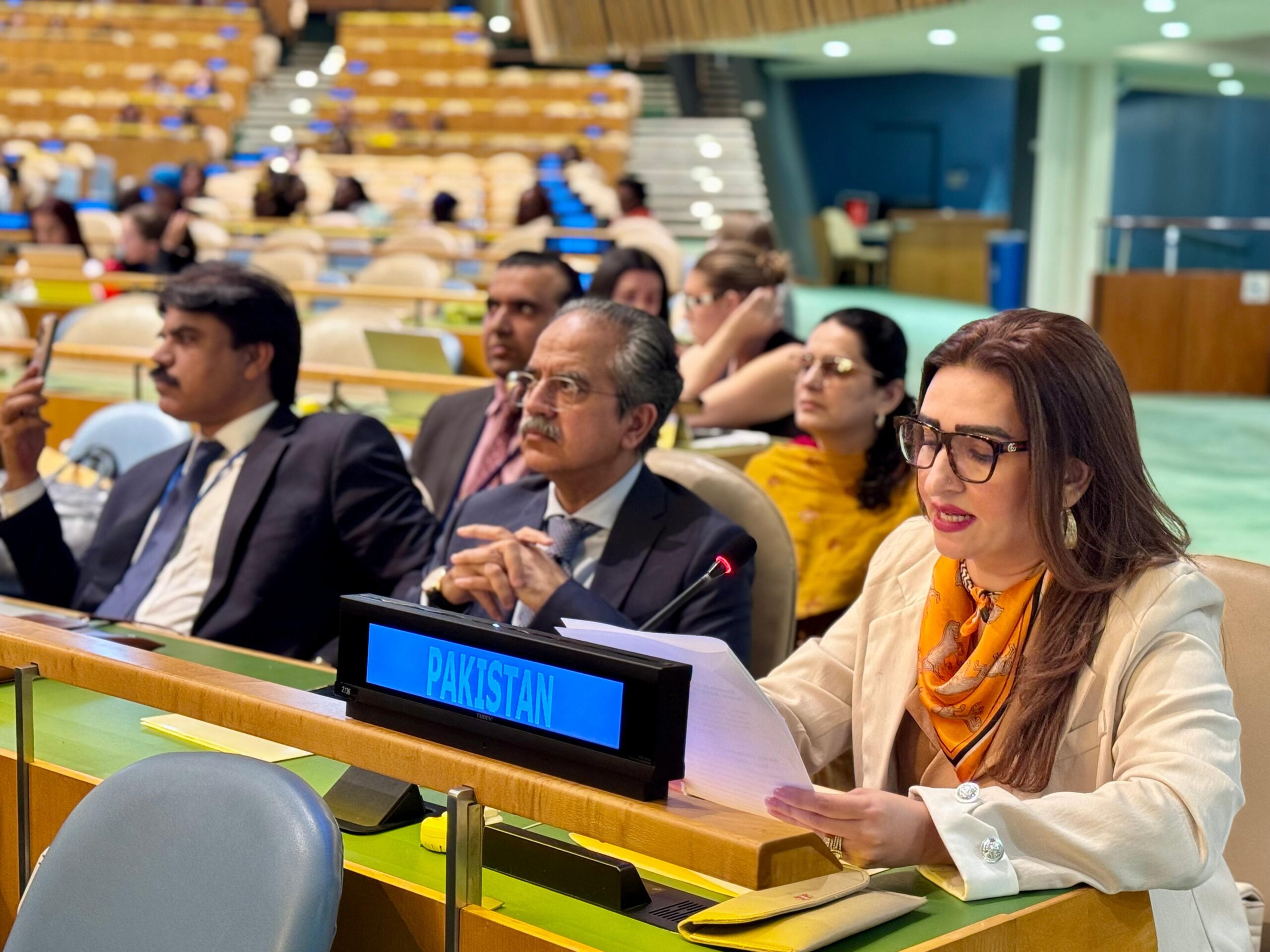
Recalling the Fourth World Conference on Women in Beijing in 1995, she cited Shaheed Mohtarma Benazir Bhutto, the first Muslim woman elected Prime Minister, who had stated that discrimination against women begins to erode when women are empowered to claim their rights.
Senator Bushra said the CSW theme is a call to act on that principle through inclusive and equitable legal systems and by removing discriminatory laws, policies and practices.
Highlighting Pakistan’s approach, she said access to justice in the country is rooted in constitutional guarantees of equality before the law, dignity and due process. She noted that institutional reforms have focused on improving both the reach and responsiveness of justice systems.
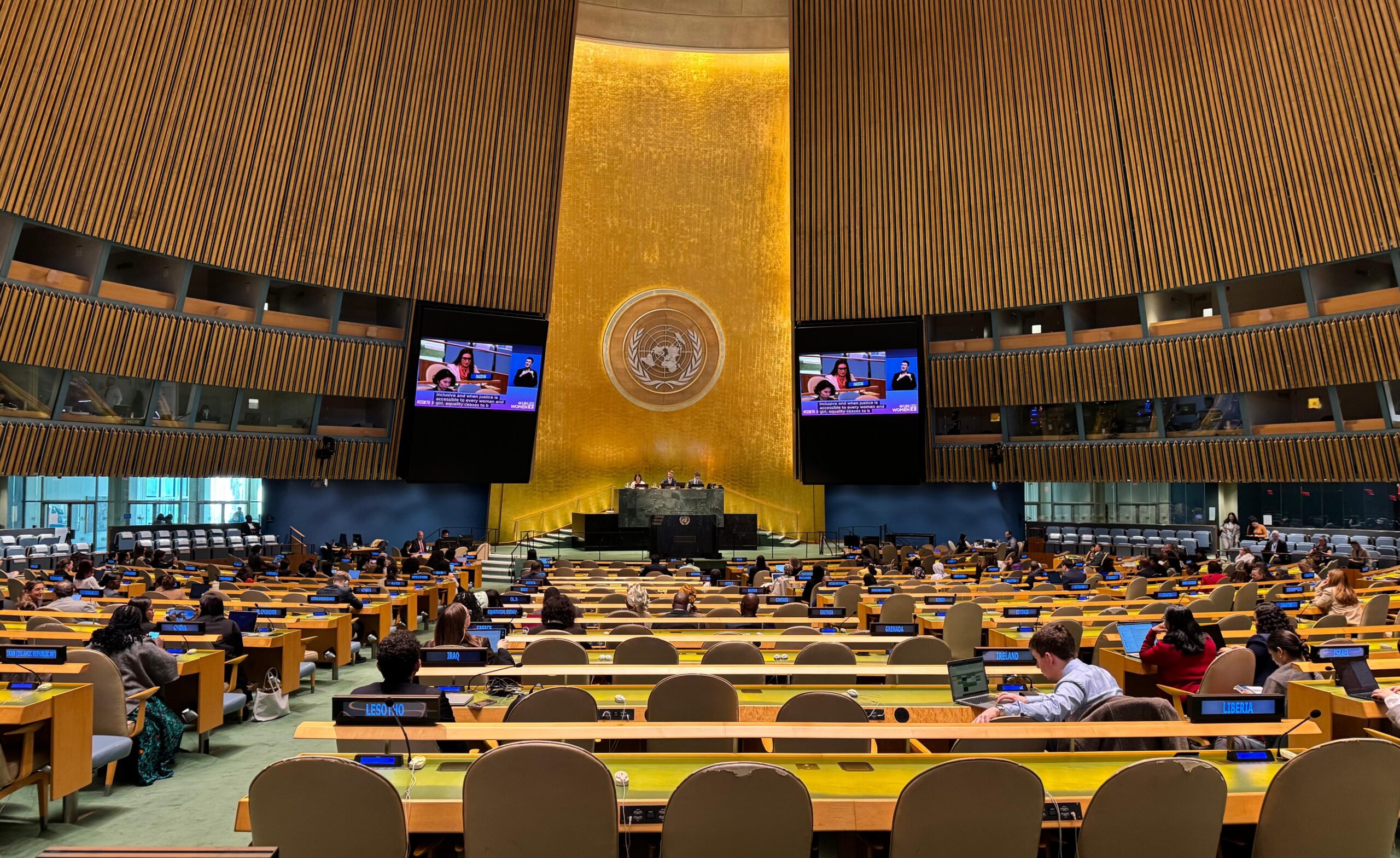
She said that more than 480 specialized anti-gender based violence courts are operational across Pakistan, supported by legal aid, family courts, ombudsperson mechanisms, laws to protect women’s rights, and integrated protection services designed to deliver timely justice for women and girls.
Senator Bushra also highlighted the growing representation of women within justice institutions. She said women now make up around 21 percent of the judiciary and 17 percent of prosecution services, with increasing participation in policing.
She added that women judges serve at the High Courts and the Supreme Court, contributing to more gender sensitive jurisprudence at the highest levels.
At the same time, she said structural barriers persist globally, including discriminatory norms and economic constraints that prevent women and girls from seeking protection and accountability.
Addressing these challenges, she said, requires integrated action. She called for repealing discriminatory laws, investing in gender sensitive judicial infrastructure, expanding digital and legal aid services, and strengthening legal literacy so women can understand and claim their rights.
Concluding the statement, Senator Bushra said access to justice is the bridge between rights promised and rights realized. She stressed that justice remains theoretical when laws exist but cannot be accessed, and partial when institutions do not include women.
She called for a shift from symbolic commitment to structural transformation, saying that when women trust the law, democracy deepens, and when justice is accessible to every woman and girl, equality becomes a lived reality.