Islamabad- The Council of Pakistan Newspaper Editors (CPNE) organized a major international media dialogue in Pakistan, focusing on the theme “Conflicts in the Current Media Era and Their Resolution”. The event provided an important platform for open discussions on key challenges facing journalism today, including press freedom, journalist safety, censorship, economic pressures, and the need for greater unity in the media community. It also included the presentation of Journalist Awards to honor the valuable contributions and services of media professionals across the country.
The gathering brought together senior editors, working journalists, overseas Pakistani media figures, and rights advocates to address the serious issues confronting Pakistan’s media landscape.
Khushnood Ali Khan, Chief Editor of Daily Sahafat and Chairman of CPNE, delivered a powerful and emotional speech expressing deep grief and anger over the current miserable condition of journalism in Pakistan.


He recalled the past when journalists faced extreme oppression but showed strong resistance. For example, editor Abbas Athar was humiliated by being forced to remove his shoes in front of a jail superintendent, journalists were whipped, and efforts were made to support imprisoned journalist Khwaja Naeem Hashmi with clothes.
Khan said the situation today is far worse. He mentioned that every day on Facebook, he sees news of one or two journalists dying due to poverty, hunger, and extreme hardship. He referred to a recent protest outside the ATV office where one worker was killed and several others injured. He added that journalists’ children often sleep hungry, and families suffer greatly.

He criticized the journalism community for losing unity, courage, and a sense of shame. He said major organizations like CPNE have become useless and are only focused on getting advertisements and government benefits, with no real concern for working journalists.
Khan stated that journalists and newspaper workers are dying of hunger, government funds disappear, and the community lacks the courage to demand its rights. He questioned what kind of media exists when people are starving. He noted that he has trained thousands of students, but none ever check on their old teacher, and it is now very hard to find proper Urdu writers.

He announced that he is ready to step down from any position if someone creates a strong, united organization with a real voice. He stressed that saving journalists from starvation is the biggest issue. He called for unity and revival of organizations like PFUJ and APNS instead of fighting over small personal interests.
In his closing words, he said: “If even a little shame and honor remains in you, stand up. Give voice to those who have no life left in them. Otherwise, five years from now when we gather again, many of us will no longer be here. We ourselves are responsible for this destruction because there is no unity among us.”

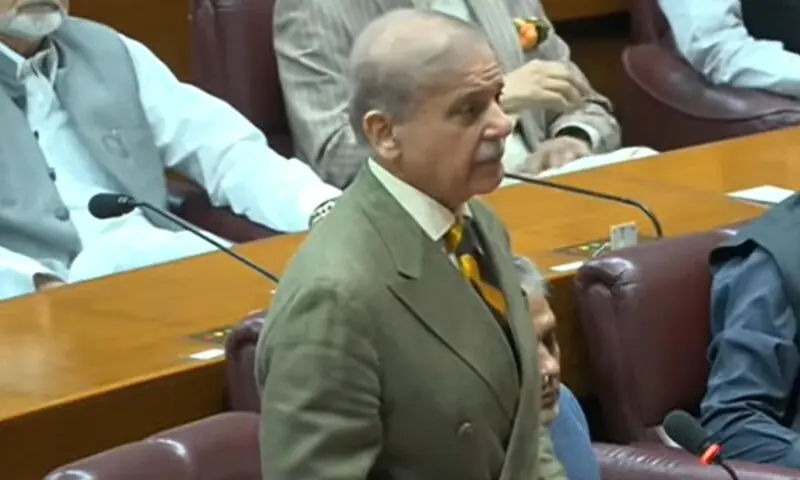
Here are some images from CPNE events and media conferences in Pakistan:
Farooq Mirza, President and CEO of 4thpillar Media and 4thpillar TV (based in the USA), spoke about the need for constructive dialogue and resolution of conflicts within the media community. He emphasized that major issues should be solved through collective discussions, not through actions like shutting down newspapers, making teams jobless, or allowing individual decisions to harm the industry.

He urged authorities to talk directly to media representatives: “Ask us what our issues are and what we want.” He praised the contributions of Pakistan’s armed forces and international efforts in poverty alleviation and defense, saying patriotism is clear and such achievements deserve good coverage. However, he questioned why media workers face harassment, midnight arrests, pressure causing heart attacks, or forced exile even when they support national institutions.
He noted that unresolved conflicts force talented journalists to leave the country, sometimes becoming critics or facing severe consequences. From his own experience, he said he resists pressure from government or military sources but is open to discussing issues with responsible bodies like CPNE for quick resolution.

Mirza stressed the importance of fact-checking and verification: “Journalists’ defense lies in facts and proof.” He warned against unverified or exaggerated content, which harms everyone. He shared his success in legal battles in the US and called for accountability and promoting positive stories along with critical ones.
-Shamshad Mangat, a senior journalist, gave a passionate address, questioning if journalism has become only about fake versus original narratives while corruption destroys the country like termites. He pointed to major scandals, including corruption in the Capital Development Authority (CDA) and pollution in Rawal Dam causing health problems like kidney diseases in Rawalpindi.

-Saif Ullah Saif, Chairman of Markaz Group of Publications (*Tehalka*), spoke about the long-standing suspension of government advertisements affecting many media outlets and called for unity among journalist unions.
Dr. Muhammad Siddique Anzar, Central Chairman of APNEC, praised Farooq Mirza’s international recognition and dedicated support for Pakistani media workers, promising full cooperation through APNEC.
Farhat Fatima a female journalist, described the media community as a brotherhood and urged resolving internal conflicts to strengthen against external pressures.

Rabeea Rahila an advocate for women’s rights, called for highlighting positive stories of women’s achievements in Pakistan and countering negative international images.
-Adil Shah shared his lifelong passion for journalism, rooted in his family background, and questioned the possibility of true independent journalism in the current environment.
The event ended with strong calls for unity, ethical journalism, and working together to protect media freedom and national interests. This dialogue highlighted the economic hardships, lack of institutional support, and internal divisions in Pakistan’s media, while showing the important role of overseas voices in raising awareness and support.

Here are additional visuals from journalists’ award ceremonies and conferences in Pakistan:
This important event marks a step toward better dialogue and solutions for a stronger, more responsible media in Pakistan.