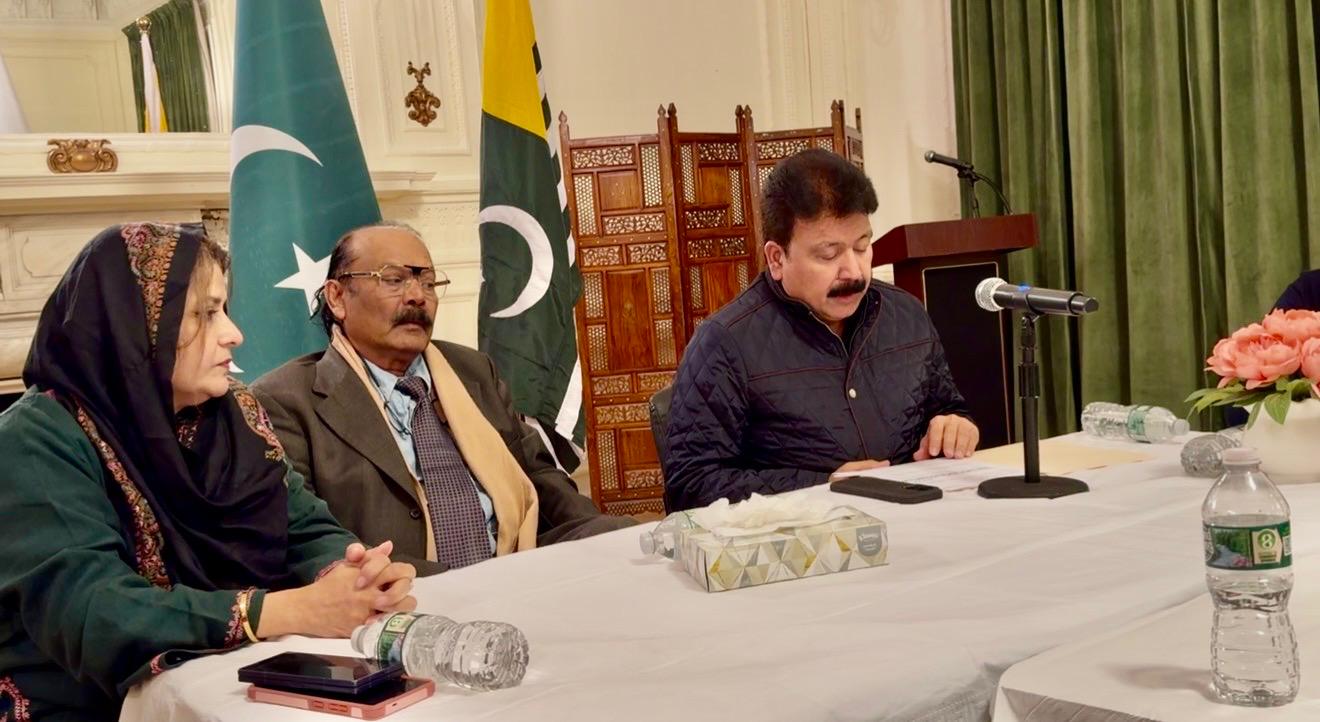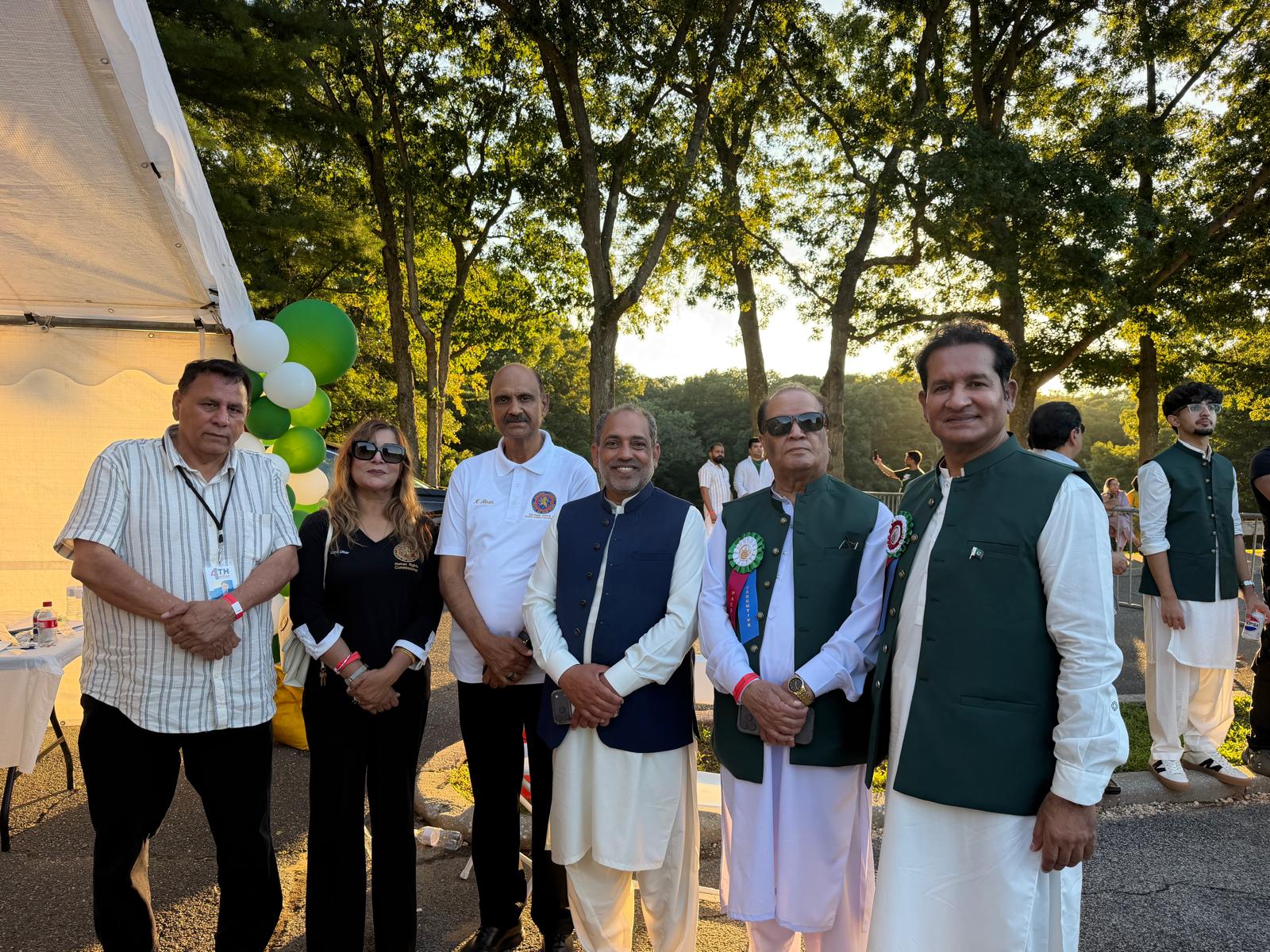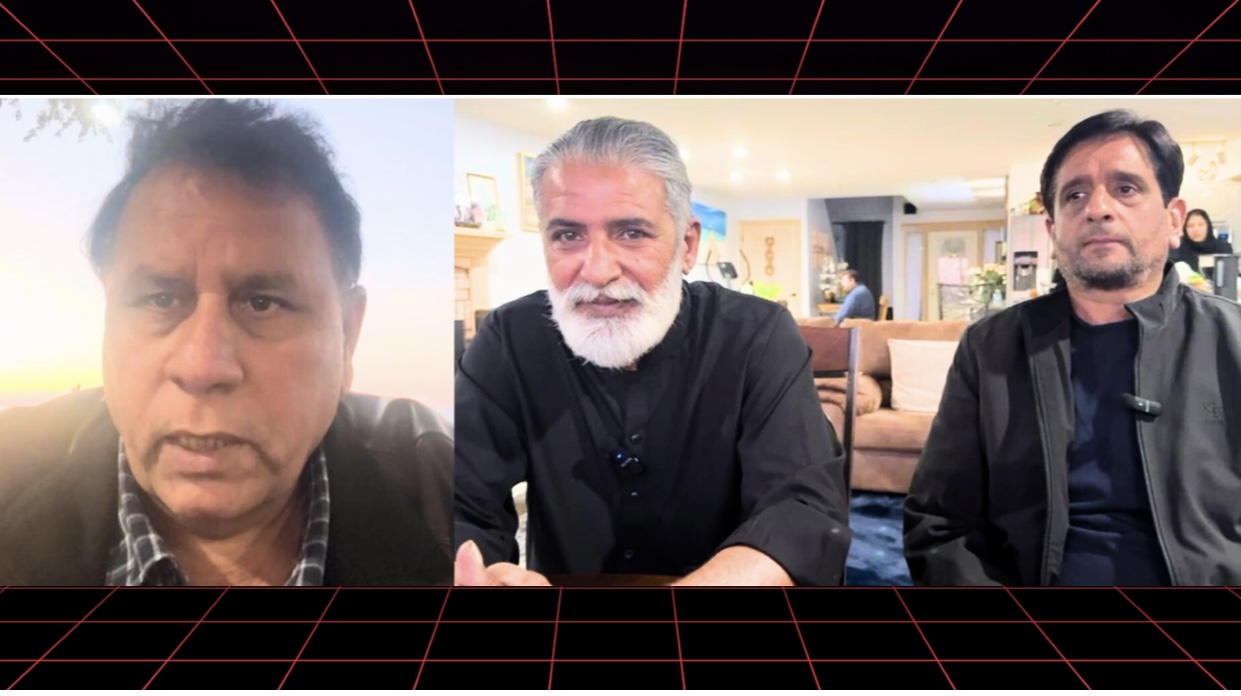
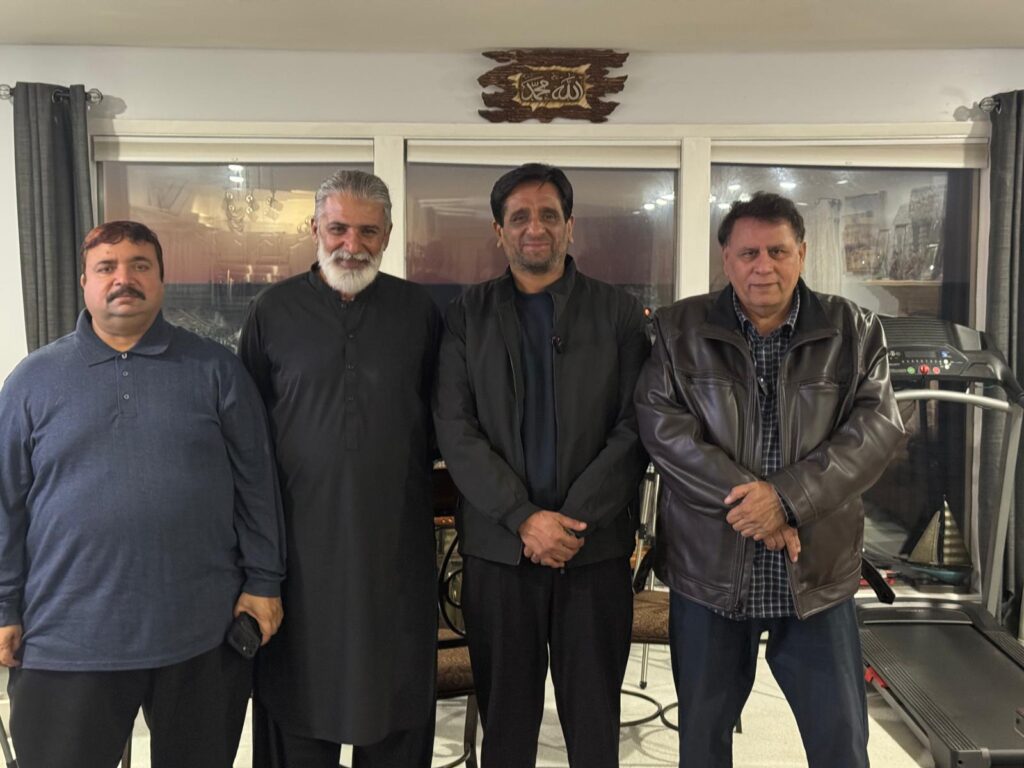
In a candid discussion amid Pakistan’s deepening economic challenges, two prominent business figures from Pakistan and USA called for urgent government action to revive the nation’s beleaguered industrial sector, particularly textiles, which accounts for over 60% of the country’s exports. Speaking in a recent virtual forum hosted by journalist Farooq Mirza, Qazi Masood, a New York -based entrepreneur and professor of international trade, and Rehan Naseem Barara, former President of the Faisalabad Chamber of Commerce, emphasized that while new policies show promise, their success hinges on genuine implementation and a shift in governmental “intentions.”
The conversation, part of Mirza’s ongoing series on Pakistan-US economic ties, comes at a precarious time for Pakistan’s economy. Textile exports, which reached $17.88 billion in fiscal year 2025—a 7.39% increase from the previous year—have shown signs of recovery in value-added segments like knitwear and bedwear. However, industry leaders warn that without structural fixes, this momentum could evaporate, with spinning units already operating at 40% below capacity and overall large-scale manufacturing contracting 1.52% in the first 10 months of FY 2024-25.
Spotlight on Youth Empowerment: The PAUL Summit’s Growing Impact
Qazi Masood, who balances roles as a hotelier, economics professor, and IT sector advocate, kicked off the dialogue by reflecting on the success of the 2025 PAUL Summit (Pakistani-American Unity and Leadership), which he organized in Pennsylvania last week. Drawing over 250–300 attendees—up from 100 the previous year and a modest 15–20 in its 2021 inception—the event aimed to foster networking among Pakistani-origin CEOs, millionaires, and even billionaires in the US tech landscape.
> “As a volunteer, my goal is simple: connect our business community with the thriving Pakistani IT diaspora here,” Qazi Masood said. “We have 150 million youth aged 18–35 in Pakistan—the world’s second- or third-largest youth bulge. Yet, policies promise much but deliver little. Plans end up as forgotten papers, and innovation is stifled, pushing an entire generation toward despair.”
The summit, held amid Pennsylvania’s tech hubs, highlighted opportunities for cross-border collaboration. Qazi Masood revealed plans for an IT incubator to empower Pakistani youth, focusing on value addition in sectors like coastal aquaculture. Drawing from a recent visit to Thatta’s coastal farms, he criticized the export of raw shrimp to Vietnam, where it’s processed and resold to the US at a 20-fold markup.
> “Pakistan lacks the bureaucratic muscle for value addition,” Qazi Masood noted, pointing to Bangladesh’s robust 50-person trade team in New York versus Pakistan’s skeletal three-person consulate staff.
Despite invitations to Pakistani ministers—including the Finance, Commerce, and Trade heads—scheduling conflicts with IMF meetings prevented their attendance. Qazi Masood remains optimistic, however, about bridging these gaps through sustained volunteer efforts.
A Textile Titan’s Plea: Lower Costs, Stronger Policies
Rehan Naseem Barara, an industrialist deeply embedded in Faisalabad’s fabric ecosystem, echoed Masood’s concerns while sharing insights from his recent US tour. As a special guest at multiple networking events, Rehan Naseem Barara engaged importers, exporters, and small business owners, underscoring the untapped potential in Pakistan-US trade.
> “Pakistan lacks nothing—resources, talent, or opportunity. The shortfall is in intention,” Rehan Naseem Barara asserted. He highlighted how US buyers weigh options from India, Bangladesh, Cambodia, and China, often favoring lower landed costs. “Pakistan now enjoys the region’s lowest tariffs, but our energy costs—still averaging 9–13 US cents per unit for industry—undercut us. Competitors pay 6–8 cents.”
Recent government moves offer glimmers of hope. In October 2025, the Roshan Maeshat Power Package slashed industrial tariffs to a base rate of Rs. 22.98 per unit (about 8.2 US cents) through October 2028, with discounts tied to output growth—down from a pre-tax average of Rs. 34.9 (15.8 cents). Prime Minister Shehbaz Sharif’s administration has also finalized a landmark five-year National Industrial Policy and Textiles and Apparel Policy, overseen by Special Assistant Haroon Akhtar Khan. These aim to cut manufacturing costs, boost R&D, diversify markets, and target $30 billion in textile exports—up from the current $20 billion share of $32 billion total exports.
Rehan Naseem Barara recounted his own entrepreneurial journey: Securing a $12 million Walmart order as a young immigrant, he accessed 90% bank financing verified against the contract, enabling rapid scaling and multimillion-dollar profits.
> “In Pakistan, our 140–150 million youth get no such ‘breast’—no nurturing start,” Rehan Naseem Barara lamented. He urged single-digit markups and 9-cent electricity to match regional rivals, warning that without support, the sector’s 60% closure rate in spinning could worsen.
The Implementation Imperative: Unity Amid Frustration
Both speakers stressed policy execution as the linchpin.
“We craft policies but ignore implementation—no strong enforcement,” Qazi Masood said.
> “Demoralize internal investors, and international ones won’t follow,” Rehan Naseem Barara added, noting the business community’s resilience despite contributing 40 billion rupees in annual taxes while relying on sporadic 6 billion IMF loans.
Chambers of commerce, from Karachi to Sialkot, have united—resigning en masse in protest and securing rate reductions through joint advocacy. Yet, Rehan Naseem Barara questioned persistent roadblocks:
“Even when the Prime Minister and ministers pledge action, why no follow-through?” He praised Army Chief Gen. Asim Munir’s economic focus, linking industrial revival to job creation and export growth.
In closing, the duo’s message was unequivocal: Restore confidence in small businesses drowning in energy crises and flawed decisions.
> “Right intentions will fix everything,” Rehan Naseem Barara concluded. “Involve industry in policymaking, then enforce it in letter and spirit.”
As Pakistan navigates Uraan Pakistan’s export-led growth targets—aiming for 6% GDP by 2028 amid a 20% FDI surge in H1 2025—these voices from the diaspora amplify a call for action. With US tariffs looming at up to 39% on textiles, time is of the essence.