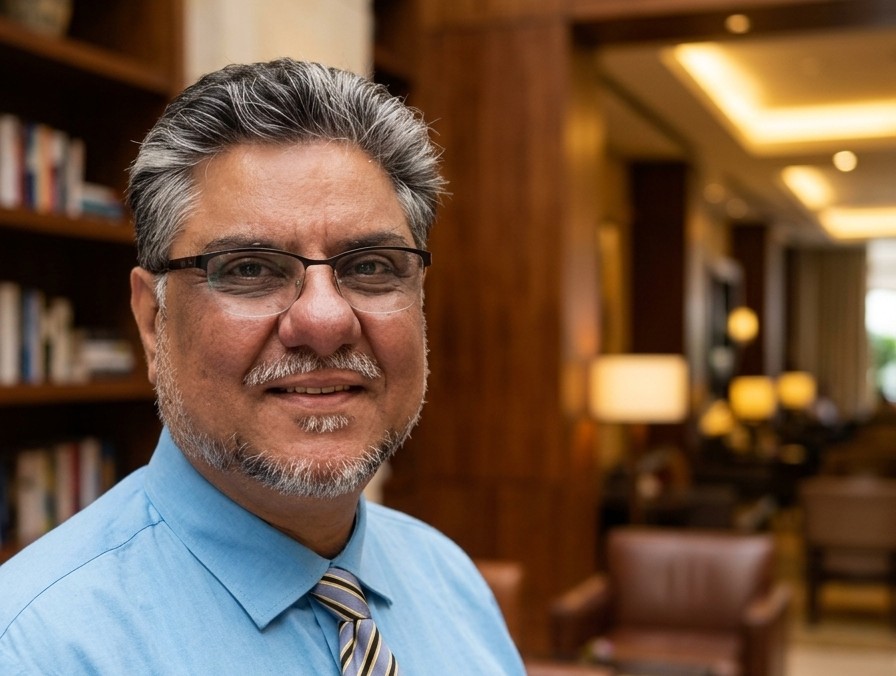
By:Hamid Ali Wahlah
This write-up encapsulates one of the most sensitive and decisive challenges in Pakistan’s economic history. The capital unlawfully transferred out of the country—estimated at nearly USD 300 billion—represents a national trust that rightfully belonged to public welfare, development, and collective prosperity. Should this capital be recovered, it would not only strengthen Pakistan’s economic foundations but also restore national sovereignty and rebuild public confidence in the state.
It is an established reality that these funds were siphoned abroad through offshore accounts, illicit investments, and complex financial channels. This was not merely a financial loss; it was a systematic plunder that weakened the institutional framework of the state and pushed the public toward disillusionment. The most regrettable aspect is that this grave issue has too often been reduced to political slogans and rhetorical claims, while the level of seriousness required at the operational and implementation stage has remained largely absent. The politics of blame has further complicated the matter, steadily eroding public trust in both the political system and state institutions.
To emerge from this crisis, the foremost requirement is the establishment of a strong, independent, and impartial accountability system—one that operates free from individual influence, partisan interests, or external pressure, and remains solely anchored to the protection of national interest. Past experience clearly demonstrates that weak and compromised models of accountability have proven ineffective in the face of entrenched corruption. Therefore, the creation of an effective, transparent, and empowered accountability framework is indispensable. Simultaneously, serious engagement at the international level is equally essential, as the recovery of assets held abroad necessitates recourse to global laws, treaties, and credible legal forums.
With regard to the future, wisdom lies in choosing hope over despair. The emergence of honest, sincere, and capable leadership—one that places national interest above personal or partisan considerations—is not a distant prospect. When such leadership is reinforced by strong public mandate and trust, the recovery of looted assets can become a tangible reality rather than a distant aspiration. In this struggle, public awareness and collective consciousness play a decisive role, for it is an informed and vigilant nation that provides a solid foundation for accountability and institutional reform.
The public bears a responsibility not to remain passive observers lamenting circumstances, but to raise a united and organized voice for their rights. The selection of honest leadership, constructive pressure on institutions, and a collective stance in favor of national interest are the pathways through which the recovery of this looted wealth can be made possible. When the public itself demonstrates seriousness and resolve, there remains no justification for negligence or delay on the part of rulers or institutions.
This journey is neither easy nor will its results be immediate. However, through sustained struggle, sound strategy, and sincere leadership, this objective can be achieved. If intentions remain clear, authority rests in the right hands, and the nation stands united, the day is not far when this looted capital will return to the national treasury, enabling Pakistan to advance toward genuine economic growth and long-term stability.
The author is the Chairman & CEO, Eagle & Legal Eyes Global*
Vice President, Pakistan Policy Institute USA
Former Director, Mega Scandals & Recoveries, National Accountability Bureau (NAB) Pakistan)