


By: Muhammad Arshad Sheikh –
Director General, Department of Libraries, Islamabad
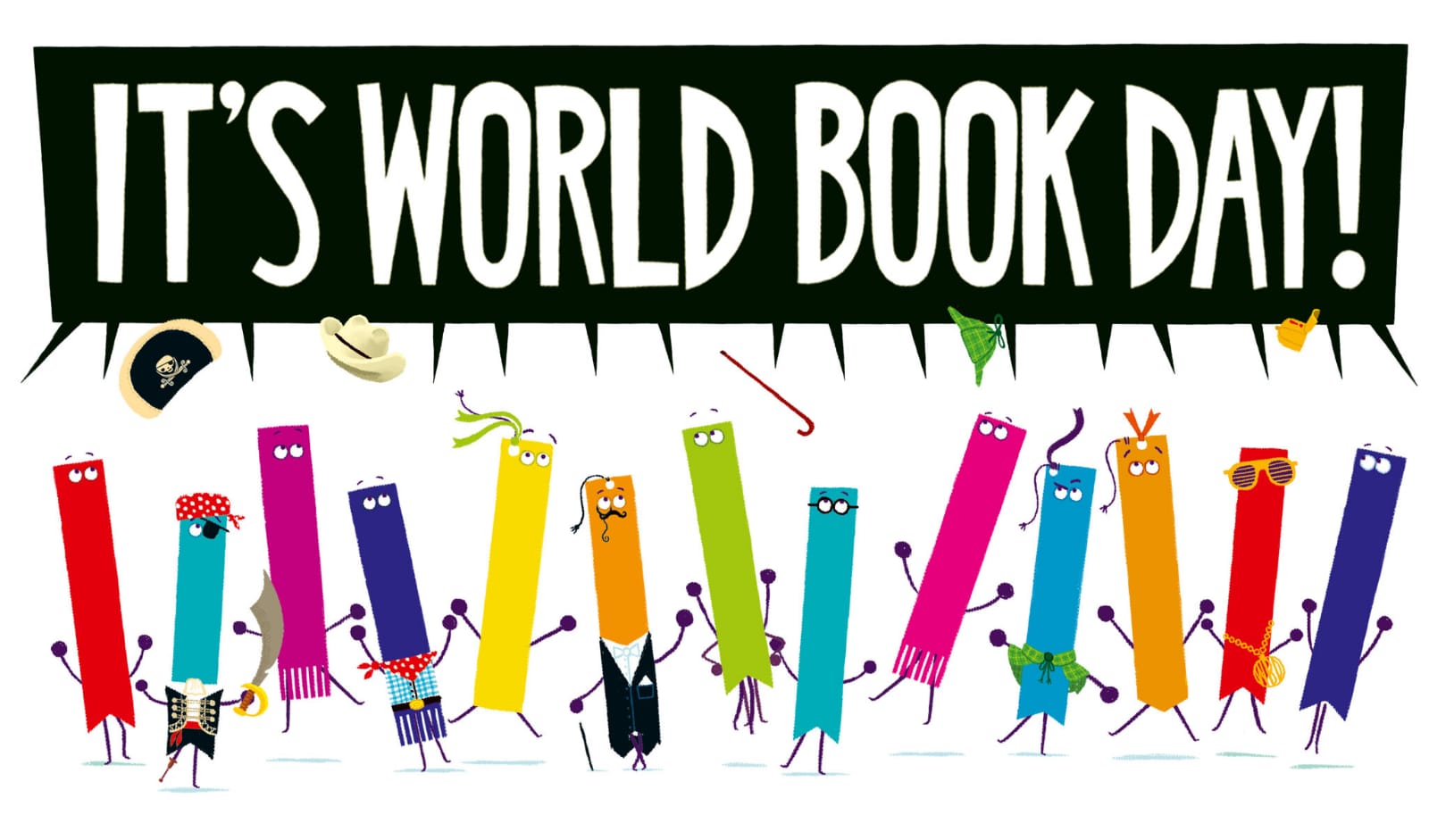
As the world prepares to observe World Book and Copyright Day this April 23rd, established by UNESCO in 1995 to honor the legacies of William Shakespeare and Miguel de Cervantes. This his day is more than a date on a calendar, rather it’s a global recognition of the book as the most powerful tool for poverty reduction and peace-building (UNESCO, 1995).
However, in 2026, the definition of a “book” has undergone a radical transformation. For the modern Pakistani student or researcher, a book is as likely to be a glowing PDF on a smartphone as it is a bound volume of paper. This shift into the digital realm brings the second half of the day’s title—Copyright—into sharp focus.
The Digital Frontier and the Law
In the digital age, knowledge is fluid. While digital resources have democratized information, allowing a student in rural Balochistan to access the same journals as one in London, they have also made intellectual theft effortless. In Pakistan, the legal backbone for protecting creators remains the Copyright Ordinance of 1962. Though amended in 2000 to include computer software and digital expressions, the law has often struggled to keep pace with the sheer speed of the internet (Government of Pakistan, 1962).
Copyright is not, as some mistakenly believe, a barrier to knowledge. Rather, it is the economic engine that allows authors, scientists, and poets to continue their work. Without the protection of their moral and economic rights, the creative wellspring of our nation would eventually run dry (WIPO, 2024).
Fortunately, Pakistan is no longer a passive observer in the global intellectual property landscape. The Intellectual Property Organisation (IPO) of Pakistan has recently spearheaded the National Intellectual Property Strategy 2026–2031. This initiative is a game-changer, transitioning our copyright registration to a fully digital, “technology-neutral” system that acknowledges the complexities of AI-generated content and online piracy (IPO Pakistan, 2026).
Furthermore, the Higher Education Commission (HEC) has demonstrated how copyright and access can coexist. Through its Digital Library, the HEC provides licensed, legal access to millions of resources, ensuring that our academic community remains globally competitive while respecting the rights of international publishers (HEC, 2025).
As we celebrate Rabat, Morocco, as the World Book Capital for 2026, we must reflect on our own reading culture. A “Book Day” in Pakistan should not just be about the past; it must be about securing the future.
Respecting copyright is an act of national character. When we choose original textbooks over pirated photocopies, or licensed digital versions over “cracked” files, we are directly investing in the Pakistani authors and researchers of tomorrow.
On this April 23rd, let us pledge to be a nation that not only reads but also respects the minds that give us something worth reading.
https://shorturl.fm/Fjzwv
https://shorturl.fm/vZkXo