

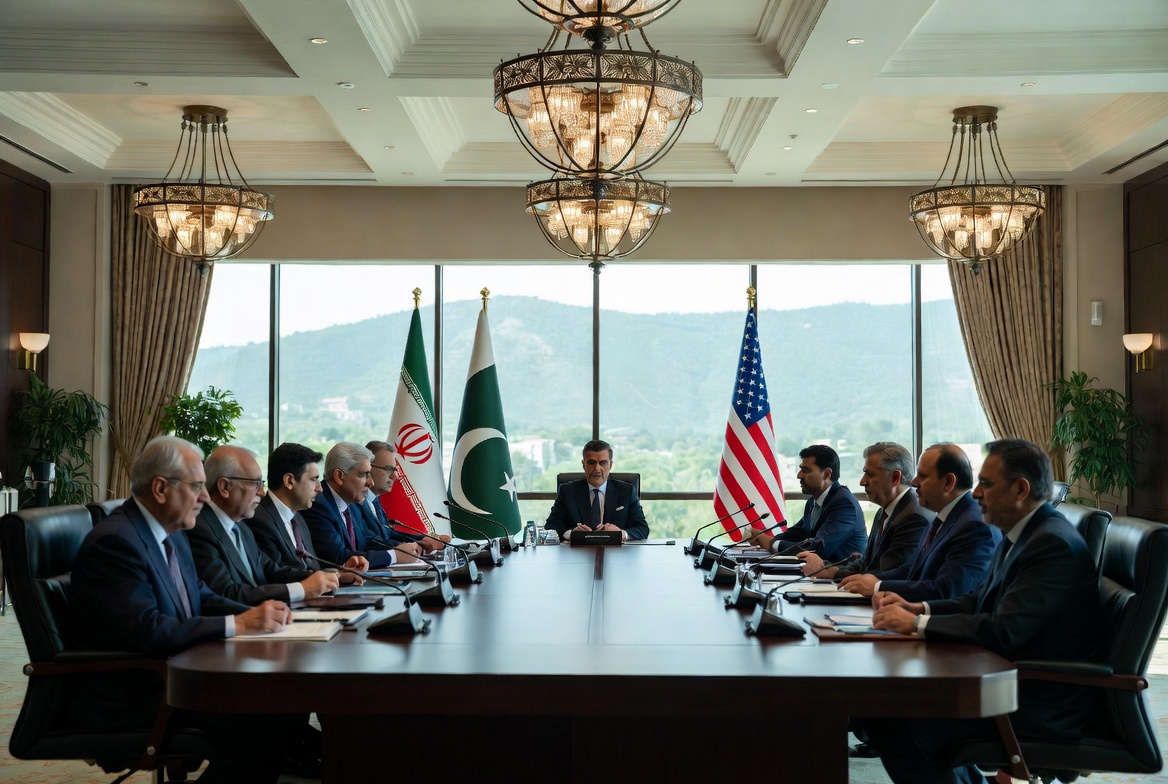
In the bustling diplomatic corridors of Islamabad, something remarkable unfolded recently. After years of hostility, direct talks between Iran and the United States finally took place on Pakistani soil. What makes this even more significant is Pakistan’s central position—not just as a host, but as an active mediator trying to bridge one of the world’s most dangerous divides. For a country often caught in regional crossfires, this moment represents both a challenge and a rare opportunity on the global stage. The Iran-US Talks mark a pivotal moment in international relations.
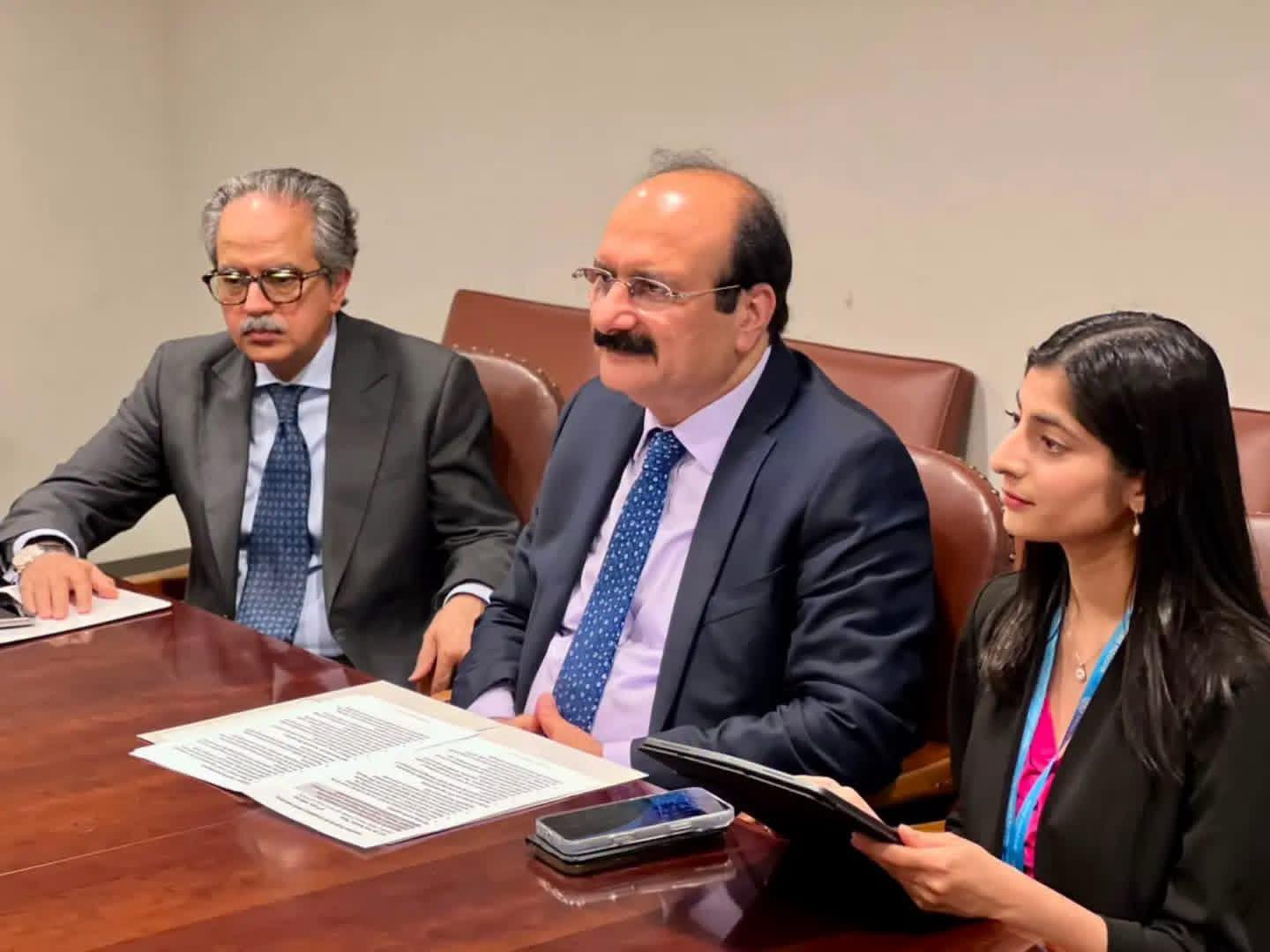
According to multiple reports, the high-level negotiations in Islamabad involved marathon sessions lasting over 20 hours. US Vice President JD Vance led the American side, while Iranian officials, including key figures close to their leadership, sat across the table. Pakistani officials, notably Army Chief Field Marshal Asim Munir and senior diplomats, worked tirelessly behind the scenes to keep the dialogue going. While no full agreement was reached, sources close to the process say meaningful progress was made on issues like regional security, sanctions relief, and de-escalation in the Middle East. The mere fact that these two longtime adversaries were talking face-to-face after decades of indirect communication is itself a breakthrough.
The discussions during the Iran-US Talks highlight the complexity and importance of diplomatic engagement in a volatile region.
Pakistan didn’t stumble into this role by accident. For months, as tensions escalated into open conflict earlier this year, Islamabad quietly positioned itself as a neutral facilitator. With strong historical ties to both Washington and Tehran—rooted in security cooperation with the US and deep cultural-religious connections with Iran—Pakistan offered something few others could: trust from both sides. Prime Minister Shehbaz Sharif publicly extended an invitation to host the talks, while the military leadership played a crucial shuttle diplomacy role, including recent visits by the Army Chief to Tehran to narrow differences. The Iran-US Talks exemplify the delicate balance of power in the region.
Pakistan’s Role in Iran-US Talks
Let’s be honest: mediating between Iran and the US is no small feat. These are two powers with deep mistrust, conflicting interests across the Middle East, and red lines that rarely align. Yet Pakistan has stepped up in ways that surprised many international observers.
During the Islamabad talks, Pakistani teams facilitated everything from logistics and security to backchannel communications. They helped draft proposals, suggested compromise language on thorny issues like Iran’s nuclear program, and ensured both delegations felt heard. One senior Pakistani official described it as “walking a tightrope,” balancing the need to push for progress without appearing biased.
Read More: Ambassador Attends Harvard Conference on Pakistan’s Path from Potential to Performance
What stands out is the personal involvement of Pakistan’s top leadership. Field Marshal Asim Munir’s trips to Tehran and meetings with Iranian Parliament Speaker Mohammad Bagher Qalibaf have been described as “effective” in reducing some gaps. At the same time, engagements with US officials in Islamabad showed Pakistan’s commitment to keeping the process alive even after the first round ended without a comprehensive deal. This isn’t just hosting—it’s active, hands-on mediation.
Pakistan’s unique geography and relationships give it leverage. It shares a border with Iran, maintains military and intelligence ties with the US from the post-9/11 era, and enjoys growing economic links with China, which also has stakes in regional stability. This combination makes Islamabad a natural bridge.
Background of the Long-Standing Conflict Iran US Talks
To understand why these talks matter so much, we need to step back. Iran and the United States have been at odds since the 1979 Islamic Revolution. What started as ideological differences grew into sanctions, proxy conflicts, nuclear concerns, and periodic military confrontations.
The latest escalation earlier in 2026 turned into a short but devastating war, claiming thousands of lives and disrupting global energy supplies through the Strait of Hormuz. A fragile two-week ceasefire was brokered with Pakistan’s help, creating the window for these direct negotiations. Many analysts had written off any chance of dialogue, especially after years of maximum pressure policies and Iranian hardline positions. Yet here we are, with both sides still at the table, at least indirectly through Pakistani channels.
Pakistan has offered mediation before in smaller ways, but the scale this time is unprecedented. It reflects Islamabad’s evolving foreign policy: moving beyond traditional alliances toward pragmatic, multi-aligned diplomacy that serves its own security and economic interests.
Why This Deal Matters
If a lasting agreement emerges from these efforts, the implications would be enormous. For the Middle East, it could mean reduced proxy wars, stabilized oil prices, and breathing room for countries like Saudi Arabia and Israel to recalibrate. For the global economy, sanctions relief on Iran could open new trade routes and energy markets.
For Pakistan specifically, success would be a diplomatic jackpot. It would elevate the country’s image from a crisis-prone nation to a responsible peace broker. This could attract more investment, strengthen ties with Western nations, and give Pakistan more say in regional forums. In a world hungry for stable leadership, proving you can bring bitter enemies to the table is powerful currency.
Even partial progress—like extending the ceasefire or agreeing on confidence-building measures—would be significant. It buys time and prevents a return to full-scale conflict that could draw in more players and destabilize an already volatile region.
Global Reaction
The world is watching closely. In Washington, President Trump has publicly praised Pakistan’s efforts, calling the leadership “great” and hinting at possible future visits. European capitals have welcomed the dialogue, though with cautious optimism. China and Russia, traditional partners of Iran, have stayed relatively quiet but appear supportive of de-escalation.
In the Gulf, reactions are mixed—some states see Pakistan’s role as helpful, others worry about any deal that might embolden Iran. Iranian media has highlighted the talks positively, crediting Pakistan’s facilitation, while US outlets focus on the nuclear red lines that remain unresolved.
International organizations like the UN have quietly encouraged continuation of the process. Analysts in think tanks from Washington to Dubai note that Pakistan’s involvement adds legitimacy that Western-only or Gulf-only mediation might lack.
Analysis and Potential Impact
Looking at the bigger picture, Pakistan’s diplomatic maneuvering here is smart but risky. Success could reshape its international standing for years. Failure, or being blamed if talks collapse, might damage relations with one or both sides.
What’s impressive is how Pakistan has used its limited resources—diplomatic skill, military credibility, and geographic position—to punch above its weight. In an era where big powers often dominate mediation (think US in Camp David or Qatar in various conflicts), a South Asian nation stepping into this arena is noteworthy.
Experts I’ve spoken with suggest that long-term, this could open doors for Pakistan in broader conflict resolution roles, perhaps even in Afghanistan or other flashpoints. Economically, a more stable region means better trade, fewer refugees, and potential energy imports from Iran.
Of course, challenges remain. Deep disagreements over Iran’s nuclear ambitions, ballistic missiles, and regional influence won’t vanish overnight. Trust is fragile after so many broken promises on both sides. Yet the fact that talks continue through Pakistani channels shows momentum.
As one seasoned diplomat put it to me recently: “This isn’t about one meeting in Islamabad. It’s about creating a process where both sides see value in talking rather than fighting.”
Pakistan has positioned itself at the heart of that process. Whether it leads to a historic deal or just manages tensions, Islamabad’s role marks a new chapter in its foreign policy. For a country facing its own internal and external pressures, this moment of global relevance is worth watching closely.
The coming weeks will be critical. Will there be a second round in Islamabad? Can differences on the nuclear issue be bridged? Whatever happens, Pakistan has already shown it can play on the big diplomatic stage—and the world is taking notice.
Iran US Talks
https://shorturl.fm/T6XYQ