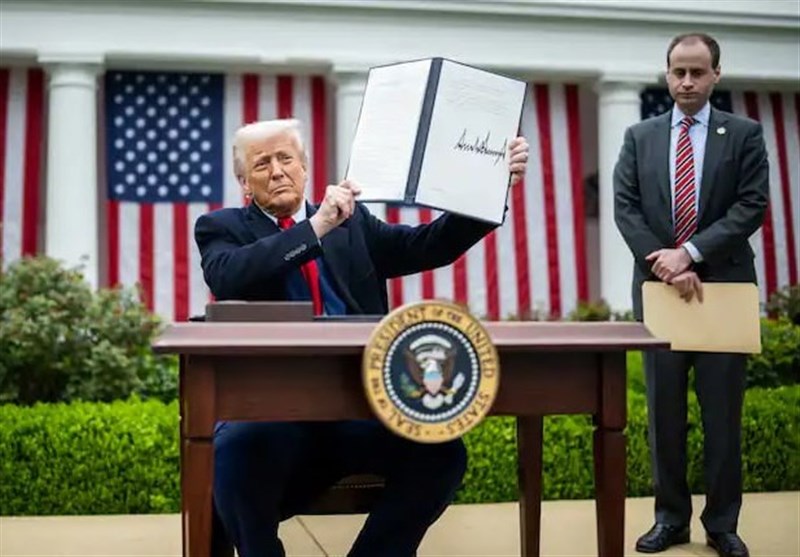
WASHINGTON D.C., April 12, 2025 — In a move to shield American consumers from rising prices, the United States government has officially announced that certain electronic products imported into the country will be exempt from the retaliatory tariffs recently imposed by President Donald Trump on Chinese goods.
According to an official notice released by U.S. Customs and Border Protection, the tariff exemptions will apply to all qualifying electronic items that either enter the United States or leave bonded warehouses on or after April 5. This strategic decision aims to curb inflationary pressures and ensure continued access to essential technology for American consumers.
Key Electronics Tariff Exemption to Curb Inflation and Supply Chain Disruptions
The Trump administration’s latest round of tariffs, which included duties of up to 145% on Chinese imports, initially sparked concerns of price hikes across consumer electronics, including smartphones, laptops, and televisions. However, the new exemption policy is expected to mitigate those effects, especially for high-demand products.
Speaking aboard Air Force One on Friday, President Trump suggested that while tariffs are crucial to rebalancing U.S.-China trade, certain product exemptions were necessary. “Some exemptions are possible for obvious reasons,” the president stated. “But I think 10 percent is a lower limit,” hinting that minimal tariffs may still apply in selective categories.
Tech Components Like Microchips and Semiconductors Also Exempted
In addition to finished electronics, the U.S. has also exempted critical tech components, including semiconductors and microchips, from the hefty tariffs. This exemption will benefit not only American manufacturers but also leading Asian semiconductor producers such as Taiwan Semiconductor Manufacturing Company (TSMC), Samsung Electronics, and SK Hynix.
This move is seen as crucial to maintaining the global technology supply chain, especially as demand for high-performance chips continues to surge in industries ranging from consumer electronics to electric vehicles.
Apple and Other U.S. Tech Giants Under Pressure
The decision to exempt electronics and components comes at a critical time for U.S.-based tech companies, particularly Apple Inc., which remains heavily reliant on Chinese manufacturing facilities. According to Wedbush Securities, approximately 90% of Apple’s iPhones are currently produced in China.
With Counterpoint Research estimating that Apple has only six weeks of iPhone inventory in the U.S., any continued trade restrictions could have severely impacted availability and pricing. This exemption is likely to provide short-term relief and buying confidence among U.S. consumers.
Consumers Rush to Buy Electronics Before Potential Price Hikes
In anticipation of rising prices, many Americans have already begun purchasing big-ticket items, especially electronics and vehicles. Retailers across the country have reported a surge in demand as consumers seek to avoid potential markups caused by tariffs.
The Trump administration has maintained that the tariffs are part of a broader economic strategy to revitalize American manufacturing, reduce dependence on Chinese imports, and protect domestic industries. However, analysts caution that the ultimate burden of these tariffs—if not carefully balanced—could fall on American consumers.
Tariff Exemptions Offer Temporary Relief Amid U.S.-China Trade Tensions
While the electronic product exemptions provide a temporary cushion for tech companies and consumers, the broader impact of escalating U.S.-China trade tensions remains a matter of concern. For now, the decision to exempt critical electronics and components is being welcomed by industry leaders and financial markets alike, as it helps stabilize supply chains and prevent immediate price inflation.
As the global trade landscape continues to evolve, businesses and consumers alike will be closely monitoring further announcements from the Trump administration regarding tariff policies and additional exemptions.