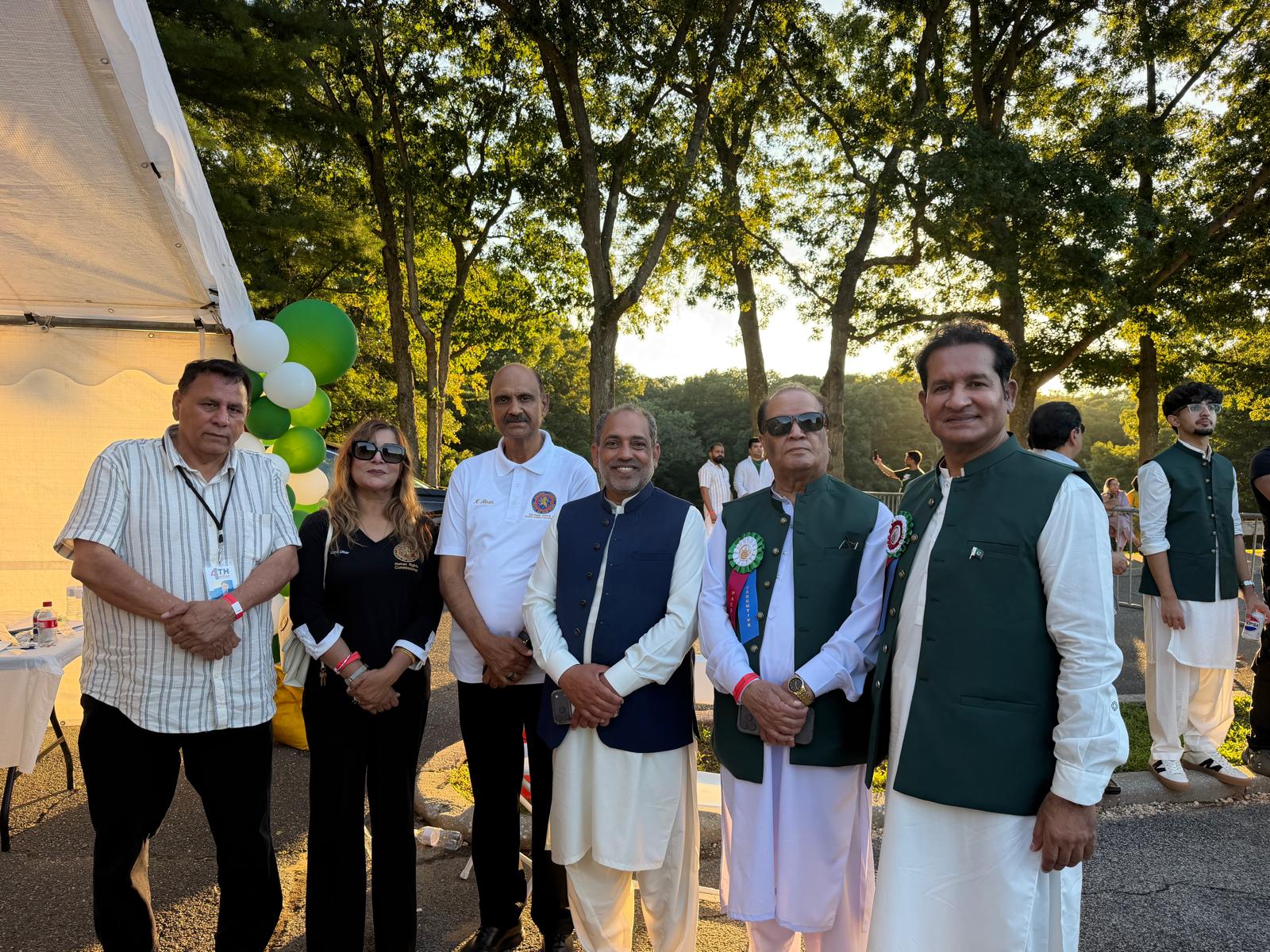
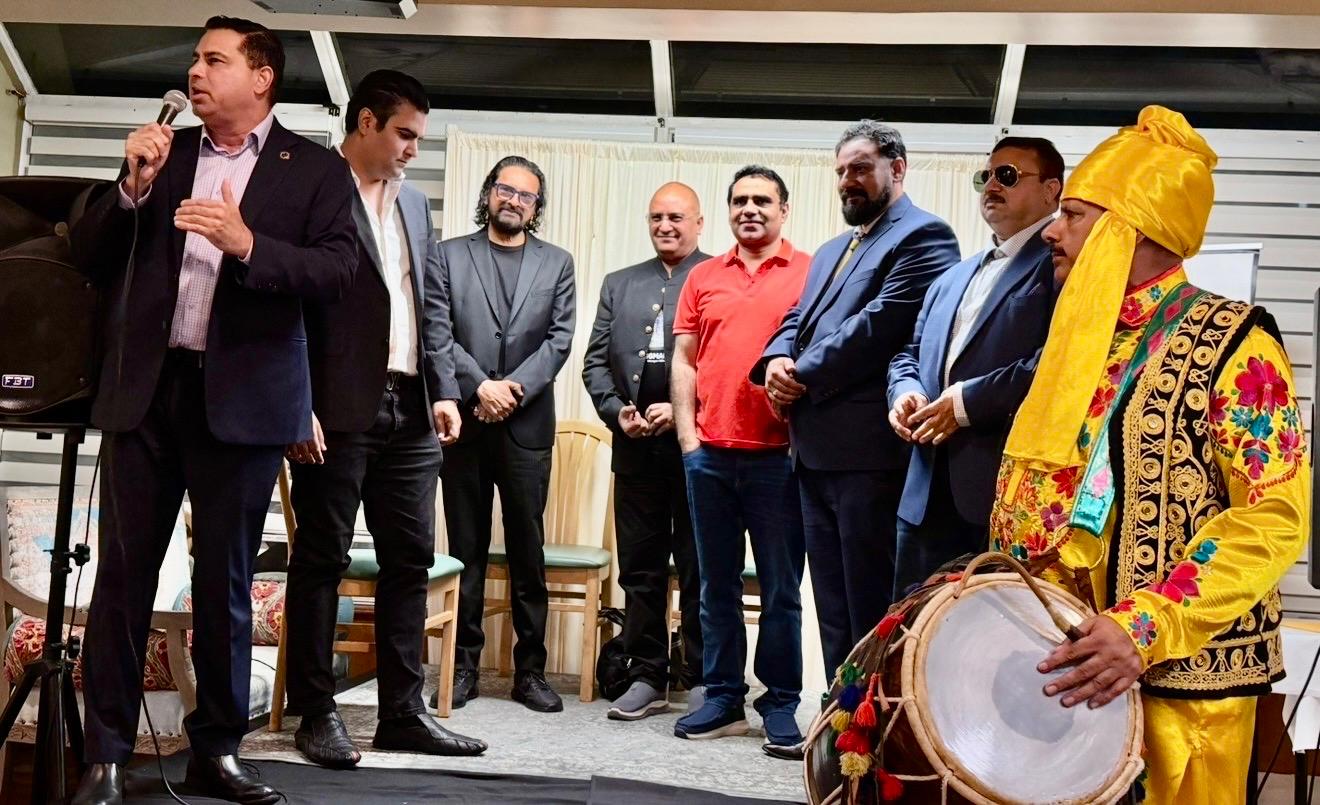
Islamabad: The Council of Pakistan Newspaper Editors (CPNE) held a seminar to address internal divisions among journalists, fake news campaigns, misinformation drives, and the need to promote professional unity. The event was themed Media Conflicts and Their Resolution.”

The seminar was moderated by senior journalist and Director of CPNE USA Farooq Mirza, while CPNE Chairman Khushnood Ali Khan presided over the proceedings.
Speakers discussed the financial hardships faced by journalists, factionalism within press clubs, interference by international agencies, and campaigns spreading fake news. They proposed the formation of an internal arbitration group to resolve minor disputes among journalists through dialogue.

Khushnood Ali Khan, in his address, said that journalists’ funerals are now taking place daily and the profession is in severe crisis. He expressed sorrow over poverty, family issues, and the destruction of the profession. In the past, journalists were content with a cup of tea, but now even dignity is vanishing. He criticized pressure on media, lack of freedom, and the extreme language used against institutions (especially the army) on social media. He appealed to journalists to unite and support new, vibrant initiatives.

Farooq Mirza stated that small regional conflicts among journalists can be resolved through a jirga-style system. He suggested starting in Islamabad with a 15-20 member arbitration group that includes newspaper journalists, digital media professionals, women, and civil society representatives. He criticized the presence of fake voters and non-genuine journalists in press clubs.

He warned that international and Indian networks are investing in Pakistani media and directly paying journalists. He offered to present documented evidence of campaigns against the Pakistan Army and government in 2024.
His demands included: Pakistan First, refusing to publish fake content, presenting both sides of every story, and increasing reporting on topics beyond politics—such as economy, agriculture, and tourism. At the seminar’s conclusion, participants took a pledge to prioritize Pakistan First and avoid fake material.

Brig (R) Azam Effendi said that if we don’t connect properly, we will see that there are four major pillars behind the problems in journalism and generalism in our country. It is very important to understand this.
First, there are as many journalists/generalists as there are, but there’s a cap on them—as they say, they are media workers. There’s no real mention or recognition for them. Then comes the media house itself, then the advertisers , and finally, the powerful institutions like Info Ministry and ISPR. The output is what you see on top.
He highlighted the six methods of modern warfare being used now—no direct attack. They’ve created a kind of rebellion through all social media platforms, similar to what happened in Iran and is happening in other places. If the same begins in Pakistan, the challenges will be immense.

He recommended selecting five members—at least some of whom should be women—to resolve issues at the village, tehsil, or district level. If unresolved, escalate to higher levels. He expressed pride in journalists, stating that because of them, Pakistan exists and maintains a positive narrative in the world.
-Chairman Saraiki General Forum, Mujahid Bhatti, said: “We are very happy that Farooq has started this very good work. All our journalists from the region and from Islamabad—totaling 10,000—will work with 4thpillar at all times. We will sign an MOU with them.

With 4thpillar/ CPNE and the organizations ahead, they will be ours. In collaboration with CPA, we will conduct workshops on side banners of general news all over Pakistan. In addition, in collaboration with CPA, we will hold workshops across Pakistan to create awareness among journalists so that they do not become part of any fake news.
Furthermore, in collaboration with 4thpillar/ CPNE we will conduct workshops throughout Pakistan through which all journalists will be able to pursue their side businesses.”

Farhat Fatima , Dir Human Rights 4thpillar described media conflicts as complex. The biggest conflict is between the state and media, which affects national interests and sensitivities. The second major issue is between political parties and media houses, where the media has become divided and professional standards have eroded. Social media has further spread chaos.
Shahzad Anwar Farooqui senior Journalist criticized groupism and a culture of loot in journalism. He said press clubs, unions, and media towns have been divided for personal interests. Journalists must reclaim their true identity and be willing to pay the price for freedom. He warned that what has been sown has grown into a thorny tree that will yield no fruit.

Senior journalist Adil Shah delivered a candid address highlighting the challenges facing media independence and accountability in the country.
In his remarks, Adil Shah pointed out the existence of an institution responsible for national security, urging restraint in discussions about it. He stated, “There is an institution responsible for national security. Don’t talk about it, friend. And there are 26 other things you can talk about.”
He went on to criticize the self-imposed silence among media professionals regarding certain powerful entities. “People have decided on their own not to write against the CDA. Well, why not? Because either I have an undue interest in it, or my boss does, or my editor does,” he said.
Adil Shah further elaborated on conflicts of interest, noting, “Well, I get a monthly salary from the police, so why would I write against the police, brother?”

Reflecting on the broader consequences, he lamented the current state of affairs, saying, “So, what is happening to us at this time – what else can be the result of this? What do you think? Where will we go? What we sowed has become a mighty tree standing in front of us today. Now it is a thorny bush – you planted thorns. How can you expect it to bear fruit?”


He concluded his address with humility, adding, “I cannot say more than this in your service. And if anyone’s heart has been hurt, forgive me – but I have put before you what was in my heart.”
Adil Shah’s outspoken comments underscore ongoing concerns about media freedom, institutional pressures, and the long-term impact of compromised journalism on Pakistani society.
At the seminar’s end, participants pledged to stay away from fake news and misinformation, prioritize Pakistan’s interests, establish an Arbitration Council for one year, and take action against anti-country narratives at the international level.
This seminar delivered an important message to the journalistic community on unity, ethical journalism, and safeguarding national interests.