

Strategic Resources Underlie Tensions as U.S.–Iran Standoff Deepens

By: Muhammad Owais
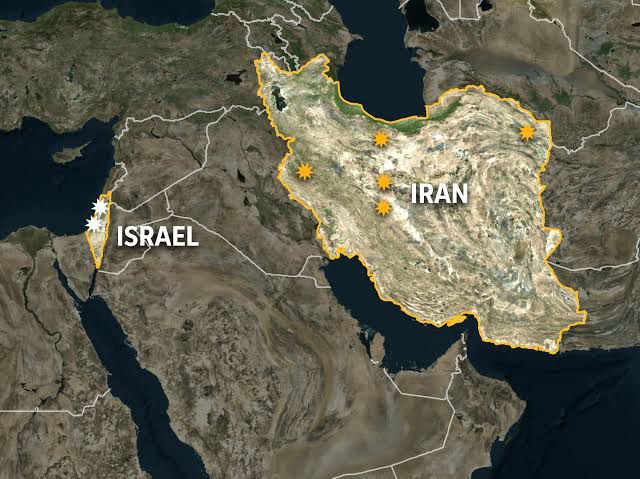
As Washington and Tehran continue their latest cycle of confrontation, a growing number of geopolitical analysts argue that the dispute extends far beyond the public narratives of regional security and ideological rivalry. The deeper contest may revolve around Iran’s vast energy reserves particularly its oil fields and significant uranium deposits which continue to shape global power dynamics.
Iran holds some of the world’s largest proven oil reserves, a fact that has long placed it at the center of global energy politics. Control over, or at least influence on, these resources has historically been a strategic priority for major powers. In parallel, Iran’s uranium resources and its nuclear program have intensified international scrutiny, with Western governments expressing concern over potential military applications.
While U.S. officials maintain that their actions are driven by security concerns and non‑proliferation commitments, analytical observers suggest that the strategic value of Iran’s natural resources cannot be separated from the broader geopolitical calculus. Iranian leaders, for their part, accuse Washington of seeking to weaken Iran economically and politically to reshape regional power balances.
A Path Toward De‑Escalation
Despite the entrenched rhetoric on both sides, diplomats and conflict‑resolution experts argue that a face‑saving exit remains possible, one that allows each country to claim strategic success while reducing the risk of further escalation.
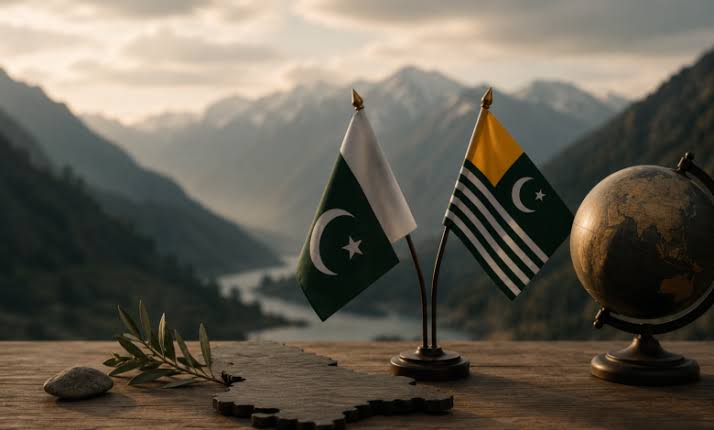
For the United States, a viable off‑ramp could involve framing de‑escalation as the result of successful pressure that brought Iran back to the negotiating table. By emphasizing strengthened monitoring mechanisms and renewed commitments to non‑proliferation, Washington could present diplomatic progress (may be via Pakistan) as a win for regional stability.
For Iran, a parallel narrative could highlight national resilience in the face of external pressure. By securing limited sanctions relief, economic guarantees, or recognition of its right to peaceful nuclear technology, Tehran could portray the outcome as a defense of sovereignty and a diplomatic achievement.
The Road Ahead
Both nations face domestic and international incentives to avoid a prolonged confrontation. Economists warn that continued instability could disrupt global energy markets, while regional actors fear the spillover effects of further escalation.
Ultimately, a carefully crafted diplomatic framework, one that acknowledges security concerns while addressing economic pressures, may offer the only sustainable path forward. Whether leaders in Washington and Tehran choose that path, remains uncertain, but the costs of inaction continue to rise.



https://shorturl.fm/RBHjS
https://shorturl.fm/iMXdm