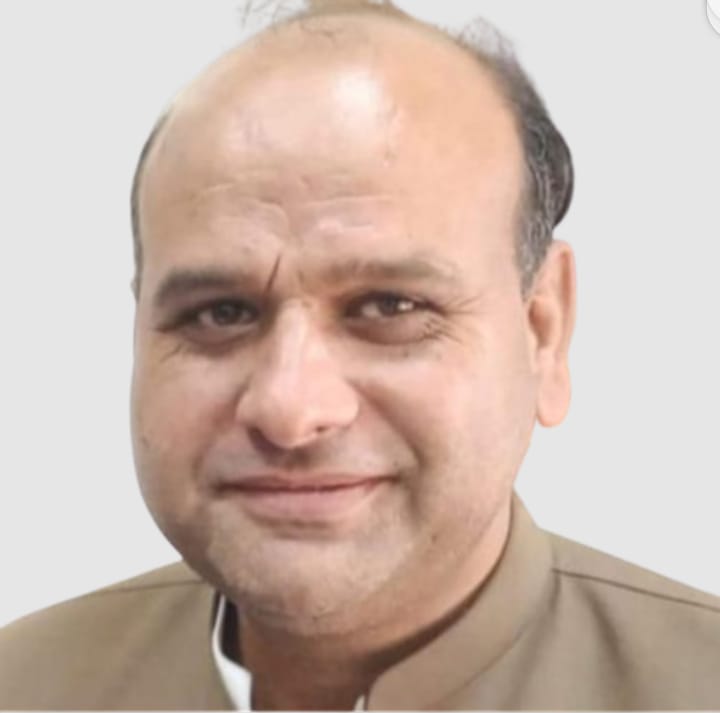
According to recent reports from Bloomberg and The Washington Post, Pakistan has secured a significant strategic position within the administration of U.S. President Donald Trump—an achievement that is not the product of mere diplomatic formality, but rather a testament to the leadership vision of Field Marshal General Hafiz Asim Munir, his strategy of maintaining balance between regional and global powers, and his timely decision-making. General Munir has successfully sustained purposeful engagement with the United States while simultaneously maintaining continuity in relations with China, Russia, and the Muslim bloc, thereby reinforcing Pakistan’s strategic standing.
In recent weeks, an important development occurred when Indian Prime Minister Narendra Modi formally declined a U.S. invitation, prompting the Trump administration to respond by increasing tariffs on India. This move has had a direct impact on the regional trade and diplomatic balance, creating a fresh opportunity for Pakistan. The widening rift between Washington and New Delhi could open new avenues for Pakistan to enhance its economic and defence cooperation with the United States.
This is not the first time Pakistan has positioned itself astutely among major powers. During the Cold War, Pakistan joined alliances such as SEATO and CENTO while simultaneously establishing relations with China to create a strategic balance. The same approach today enables Pakistan to play an influential role across multiple blocs. In the current international environment, Trump’s “pressure policy” has altered the tone of global relations, with the United States now operating through stringent conditions rather than traditional concessions. In such circumstances, forums like the Shanghai Cooperation Organization (SCO) offer Pakistan opportunities to offset the effects of unilateral policies.
Within the Muslim world, most countries shape their policies under U.S. influence, while India has, over the past decade, expanded its trade and investment footprint in the Gulf, increasing its diplomatic leverage. To counter this, Pakistan must swiftly move toward economic integration, defence cooperation, and people-to-people as well as cultural diplomacy—transforming relationships from mere labour exports into sustainable partnerships.
From a regional trade perspective, the increase in U.S. tariffs on India could open new space for Pakistani exports in Gulf and Central Asian markets. Pakistan can seize this moment by accelerating Free Trade Agreements (FTAs), particularly with Central Asia, the Gulf, and Africa. On the defence front, targeted cooperation with the U.S. in advanced military technology, drone systems, and cyber security can significantly strengthen Pakistan’s regional position. If such an approach is aligned with China’s Belt and Road Initiative (BRI), Pakistan could emerge as a converging hub for both Asian and Western trade networks—supporting not only economic growth but also defence autonomy.
For the future, Pakistan must ensure active participation of research institutions and think tanks in policy formulation, maintain balanced relations with China, the U.S., Russia, and the Muslim bloc, and solidify its economy on sustainable foundations to preserve strategic independence. The present moment is a rare opportunity for Pakistan: with strong leadership, institutional harmony, and lessons learned from history, it can not only secure its safety but also emerge as a decisive and resilient power in the evolving global order.