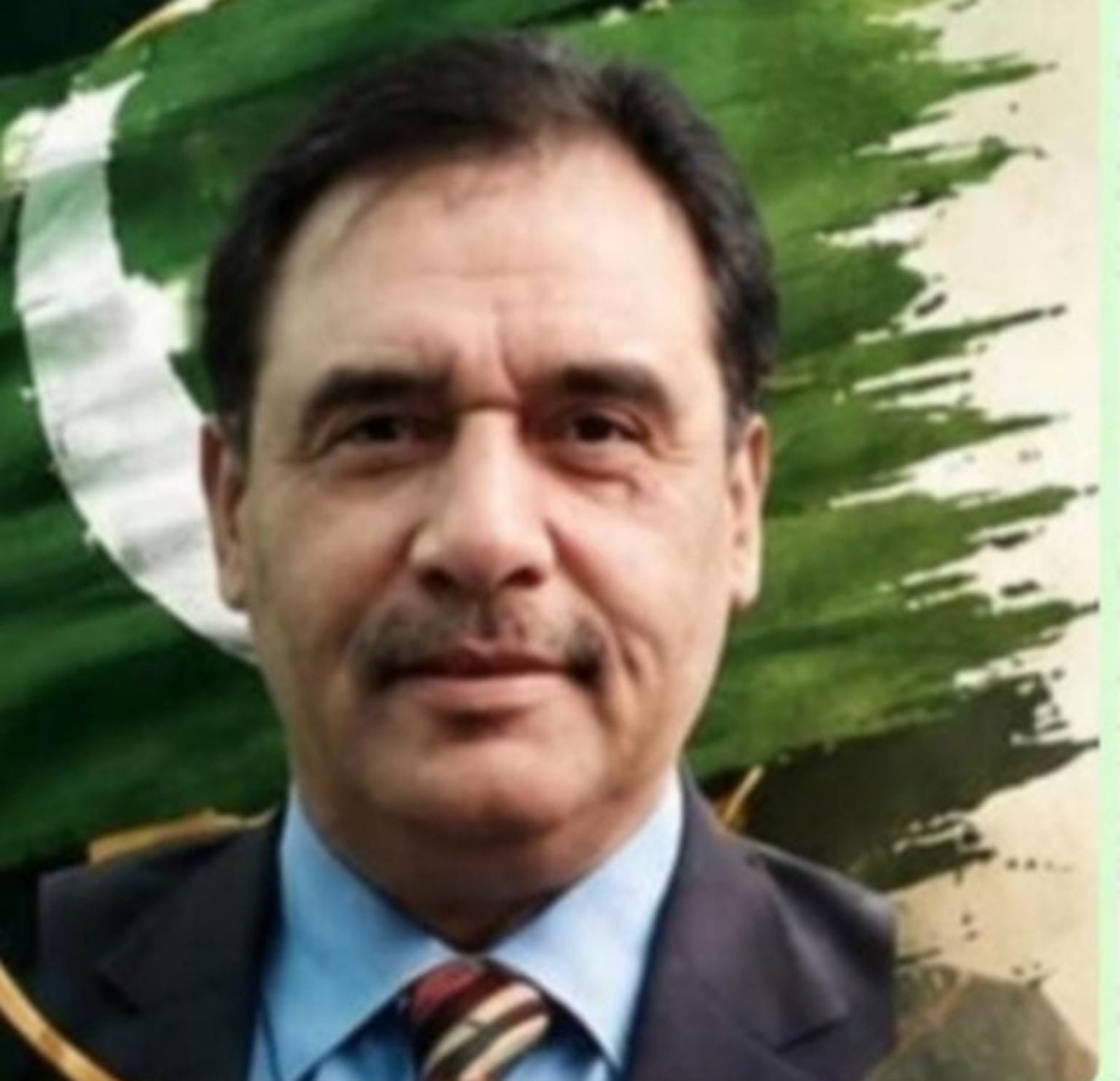
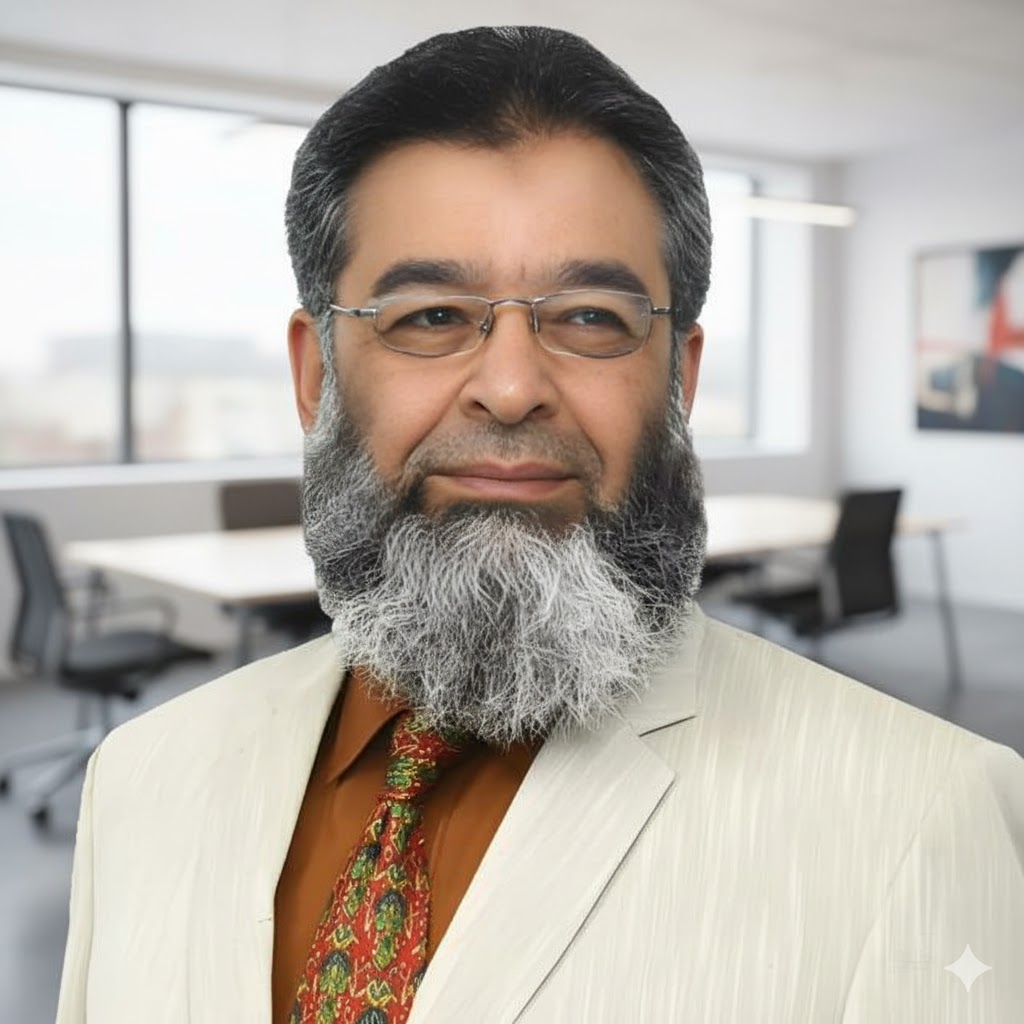
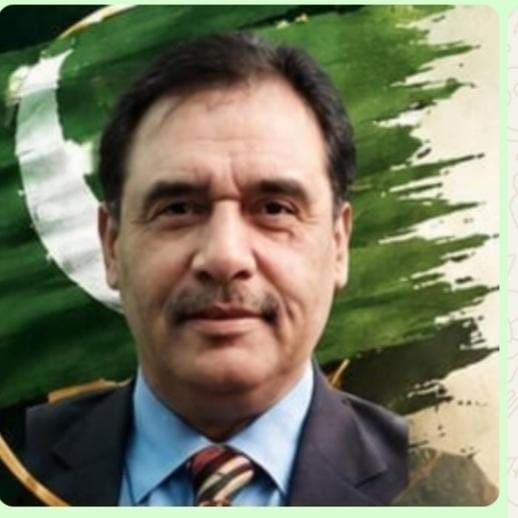
Dr. Zulfiqar Ahmed Ghazar made an offering of devotion, love, and supplication to his grandfather, Amjad Sultan Auliya Hazrat Sakhi Sultan Baba Abdul Hakim (may Allah have mercy on him), affirming that:
The Sultan and the Perfect Guardian of the Ghazar Tribe is Baba Abdul Hakim (may Allah have mercy on him).
All Ghazars consider Baba Abdul Hakim (may Allah have mercy on him) their grandfather, Amjad.
“May your eyes of mercy be upon us too, Baba Abdul Hakim (may Allah have mercy on him).”
“Dr. Zulfiqar is also your son, Baba Abdul Hakim (may Allah have mercy on him).”
“When the pain and sorrow of the world exceed the limit, Baba Abdul Hakim (may Allah have mercy on him), then the faithful people cry and tell you all their sorrows, Baba Abdul Hakim (may Allah have mercy on my lion).”
“The lion is also… May you become a Hafiz of the Quran and a practicing scholar of religion, Baba Abdul Hakim (may Allah have mercy on him).”
The fame of a place comes from its people, and the fame of Abdul Hakim comes from Sultan Abdul Hakim. Sultan of the Saints, Hazrat Sakhi Sultan Abdul Hakim Qadri (may Allah have mercy on him), was born on Monday, 24 August 1664 (corresponding to 11 Rabi’ al-Awwal 1075 AH) at Pir Karori. His father, Majid Mian Ghulam Ali Ghazar, was a pious and benevolent man. His ancestors originated from the Arabian region of Ghazar, arriving in the Indian subcontinent with the armies of Muhammad bin Qasim and settling there. Members of his Ghazar tribe reside in every city, town, and village of Pakistan even today.
To highlight the Ghazar tribe, the master of letters, Dr. Zulfiqar Ahmed Ghazar, posted on social media requesting WhatsApp numbers of Ghazars. He received a positive response from across the country, leading to the formation of a Ghazar WhatsApp group. Subsequently, sincere friends organized a Ghazar convention. Multiple “Pakistan Ghazar Ittehad” groups exist. The office bearers of Pakistan Ghazar Ittehad contacted the Sajjada Nashin (custodian) of Hazrat Sultan Baba Abdul Hakim’s shrine and others, organizing the annual Ghazar Day Convention in the last week of August at the court of His Highness Hazrat Sakhi Sultan Baba Abdul Hakim (may Allah have mercy on him). The Sajjada Nashin, Mian Abdul Khaliq Qadri, along with Qari Muhammad Yaqub, Mian Khurram, and other gentlemen, assured full support and participated enthusiastically. God willing, the Ghazar Day Convention will continue to be held annually on the last Sunday of August at the court. All credit goes to the President of Al-Pakistan Ghazar Ittehad, Mian Shabbir Ahmed Ghazar, his colleagues, and the members. Last year, the Rākim al-Hurūf (Master of Letters) Ghazar Sultan, Dr. Zulfiqar Ahmed Ghazar, also attended the convention. By the grace of Allah (Masha Allah), it was a very successful gathering with enthusiastic participation from Ghazar tribe members nationwide.
An elder from Saudi Arabia, informed of Hazrat Sakhi Sultan Baba Abdul Hakim’s birth, gave Zamzam water and a knife to a caravan driver. He instructed the driver to find Mian Ghulam Ali Ghazar near Multan in the subcontinent and convey that upon the birth of a perfect saint in his house, he should bathe the newborn with Zamzam water and cut the umbilical cord with the knife. Upon his birth, his respected father followed these instructions using the knife brought from Madinah. His respected mother was a very pious saint who managed all household chores herself.
Sakhi Sultan Abdul Hakim memorized the Holy Quran by age 8 and was awarded the Turban of Excellence at age 20. After acquiring knowledge, he worked dyeing and washing clothes with his respected father, becoming known as a dyer and Ghazar. His titles include Mian Sahib, Babaji, Sultan Auliya, Sakhi Kamil Wali, and Sultan. One day, while engaged in his work, a strange figure emerged from the Ravi River. Believing it might be Hazrat Khidr (AS), he stopped working. The sage inquired his name, and upon hearing “Hakim,” declared, “O perfect saint, your name is Abdul Hakim.” Hazrat Sultan Auliya requested the sage’s introduction. The man of God identified himself as Syed Jamaluddin Gilani, also known as Khizr Sani, requested allegiance (Bay’ah), swore allegiance to him, and bestowed upon him the robe of caliphate (Khilafat).
Hazrat Sakhi Sultan Abdul Hakim visited many shrines, performing I’tikaf (spiritual retreat) and attaining perfection in inner and spiritual qualities. During a visit to the shrine of Hazrat Sultan Ayub Qattal (AS) – the grandson of the renowned spiritual elder of the subcontinent, Hazrat Makhdoom Abdul Rashid Haqqani (AS) – he completed 40 days of I’tikaf. He received special spiritual grace (Fayz) from the owner of the shrine and was awarded the title of Sultan.
Similarly, the King of Delhi was keen on building beautiful mosques. He constructed a Jama Masjid in Delhi, but its Qibla direction was incorrect, causing the king great distress. Someone advised him that near Multan, on the banks of the Ravi River, lived the righteous, chosen elder saint and perfect guardian, Hazrat Sakhi Sultan Abdul Hakim, and that praying to him might resolve the matter. The king sent his special minister, Haji Abdul Wahab, to seek his help. When the minister arrived, Hazrat Sultan was washing clothes by the river. After greetings, the minister explained the problem. At that moment, Hazrat Sultan was wringing clothes. He applied his spiritual power to this act, miraculously straightening the Qibla direction of the mosque. This miracle greatly increased his fame. People swore allegiance to him in droves, and devotion towards him grew immensely. Haji Abdul Wahab subsequently spent his entire life in his service; his tomb remains in the courtyard before the veranda of Hazrat Sultan Abdul Hakim’s shrine (RA).
It is narrated that a Hindu woman came to have her daughter’s wedding clothes dyed. He instructed her to leave the clothes. When the wedding procession arrived, the woman rushed to collect them but found them undyed and began to cry. He reassured her, “We will dye your clothes now. Just tell us the color.” As she named colors, the dyed clothes were handed to her. Witnessing this miracle, the Hindu woman and her entire family embraced Islam. He performed countless miracles; one living and immortal miracle persists today: when someone has a broken bone set in any cast, taking a sacred thread (Dhaaga) from his chest ensures the bone heals firmly as if never broken.
In his spiritual routine, the recitation of the Quran held particular importance, with Surah Muzzammil being a special duty. He was married to the pure and righteous lady Fatima, with whom he had children, including Mian Abdul Khaliq. His caliphs (successors) included Haji Abdul Wahab, Mian Abdul Khaliq, Mai Safoora, and others. Chroniclers note that Hazrat Baba Bulleh Shah (RA) and other saints also received blessings from him. Before his demise, he foretold that Hazrat Fazil Shah (RA) would come and lead his funeral prayer, which came to pass.
His blessed Urs (death anniversary) is held annually from the 21st to the 23rd of June. It features gatherings of remembrance (Zikr) and praise (Sama), where scholars enlighten hearts with religious truths (Dawat-o-Tableegh). Devout disciples, pilgrims, and members of the Ghazar community attend from across Pakistan, as well as from Delhi and India. Even after 300 years, his blessings continue to shower upon his disciples and the people of God, and shall continue. As a devotee aptly expressed:
“The eyebrows of the ascetics – Abdul Hakim (RA)”
“The butler of the wine-drinking [of Divine Love] – Abdul Hakim (RA)”
“The acquaintance of the true [God] – Abdul Hakim (RA)”
“The blessings Sarwar Jahan – Abdul Hakim (may Allah have mercy on him)”