The global landscape is undergoing profound transformation. The unipolar order once dominated by the United States is waning, while the center of gravity in world politics is shifting steadily eastward. In this period of transition, regional platforms have acquired historic significance. Against this backdrop, the Shanghai Cooperation Organization (SCO) Summit in Tianjin was far more than a diplomatic gathering—it was a mirror of the new world taking shape, with China at its core.
The Tianjin summit stood out for several reasons. It was the largest SCO meeting since the body’s establishment in 2001. It was also the first major gathering after the renewal of China–Russia strategic cooperation. And as China will not chair the SCO again for nearly a decade, Beijing used this moment to launch a “new phase” for what President Xi Jinping has long envisioned as the Asian Century.
At Tianjin, Chinese leadership presented the SCO as a comprehensive platform—going beyond security to embrace peace, development, connectivity, energy cooperation, technology, and artificial intelligence. The joint declaration highlighted counterterrorism but also underscored food security, regional trade, and digital integration, aligning the SCO with the aspirations of the Global South.
For Pakistan, the summit carried exceptional weight. Islamabad reaffirmed support for President Xi’s vision of a multipolar world and underscored the China–Pakistan Economic Corridor (CPEC) as the backbone of Eurasian connectivity. Pakistan expressed readiness to deepen cooperation with China, Russia, and Iran, emphasizing that bloc politics led by the West only risk dividing the international system. Instead, Pakistan stood firmly behind a shared future based on cooperation and inclusivity.
Recent tensions with India further elevated Pakistan’s strategic profile at the summit. On the sidelines, Islamabad and Beijing advanced discussions on “CPEC 2.0,” focusing on industrial parks, agriculture, digital corridors, and energy projects. With more than 20 countries and organizations participating, Pakistan not only defended its interests but also positioned itself as an active contributor to the SCO’s future trajectory under China’s leadership.
India, in contrast, struggled to articulate a constructive agenda. Its limited slogan of “Zero Tolerance for Terrorism” appeared more political than practical and lacked substantive proposals. Moreover, Prime Minister Narendra Modi’s absence from Beijing’s Victory Day Parade highlighted New Delhi’s continued hesitation—presented as “strategic autonomy”—to fully engage with Eurasian platforms where China plays a central role.
The day after the summit, Beijing hosted the Victory Day Parade, commemorating China’s sacrifices and ultimate triumph in the War of Resistance against Japanese Aggression. This was not only a solemn remembrance of history but also a declaration of national rejuvenation and peaceful strength. The modernized equipment on display symbolized China’s commitment to building a world-class defense capability, serving as a guarantee for peace and stability. Importantly, the presence of leaders from across the Global South signaled broad confidence in China’s role as a partner for peace and development.
Taken together, the Tianjin Summit and the Beijing Parade sent a unified message: the era of unipolar dominance is fading, and a multipolar order rooted in cooperation and shared prosperity is rising. China, alongside Russia and its partners across Eurasia, is shaping this transformation, not through confrontation but through connectivity, inclusivity, and vision.
For Pakistan, this moment represents both opportunity and responsibility. With economic challenges at home, Islamabad must align its recovery with regional initiatives. CPEC, Central Asian access, new energy corridors, and broader regional trade are not optional—they are vital pathways for sustainable growth.
The decisions made today will determine whether Pakistan remains on the margins or becomes a pivotal partner in the Asian Century—a vision championed and advanced by China. Safeguarding these opportunities means securing a prosperous and stable future.
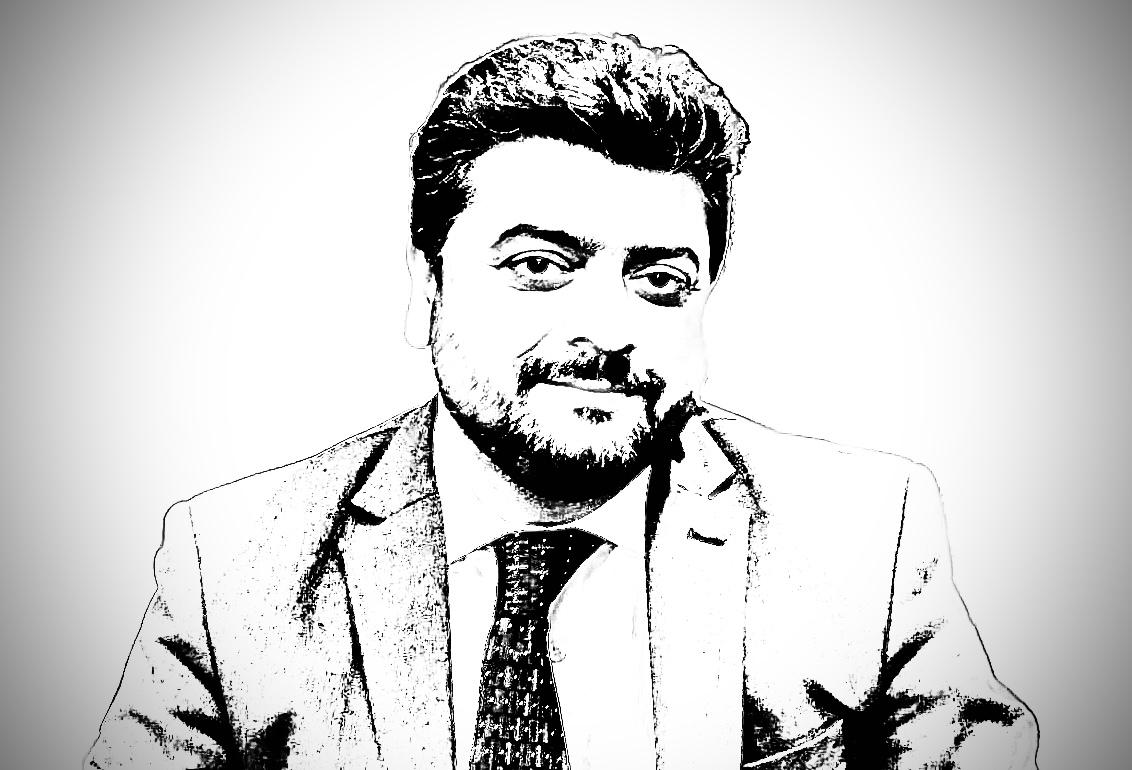
T.M. Awan is a Strategic Communication Advisor, researcher, and analyst on international affairs. He can be reached at Hasilekalaam@gmail.com or LinkedIn @tahirmawan.