Executive Summary
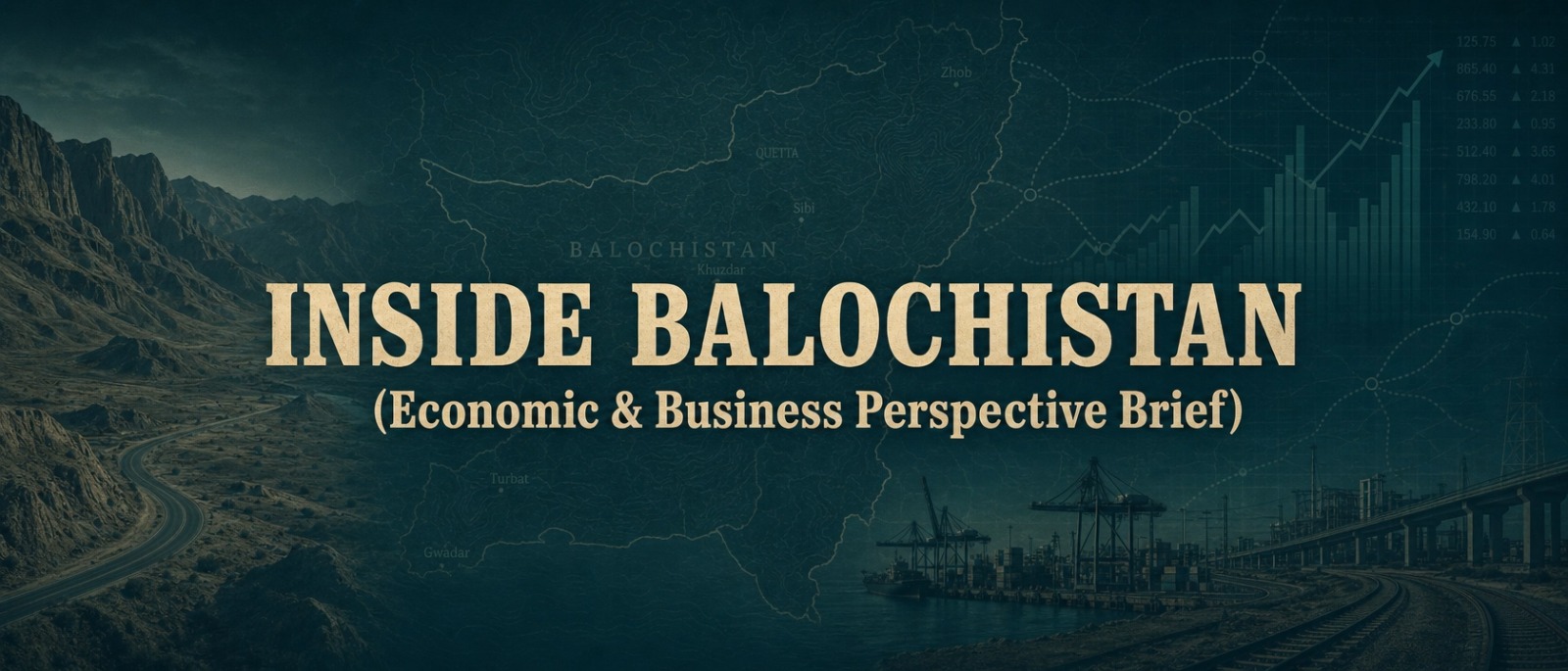
Today’s new economic signal is corridor-finance realism. Balochistan’s next growth story is now being shaped by the proposed US$390 million Reko Diq bridge loan for the 996-km ML-3 Rohri-Sibi-Quetta-Koh-i-Taftan railway upgrade. The plan links mining, rail, Gwadar, Iran-border trade and regional exports but repayment risk, foreign-exchange exposure and high security costs mean the project will be judged by commercial discipline, not only strategic ambition.
1. ML-3 Railway: New Economic Spine

The proposed ML-3 upgrade could become Balochistan’s mineral and trade backbone by improving cargo movement from Reko Diq and western Balochistan toward ports and regional markets. The opportunity is large: rail logistics, engineering, construction materials, signalling, maintenance, dry ports and freight services.
2. Financing Risk Becomes Business Reality
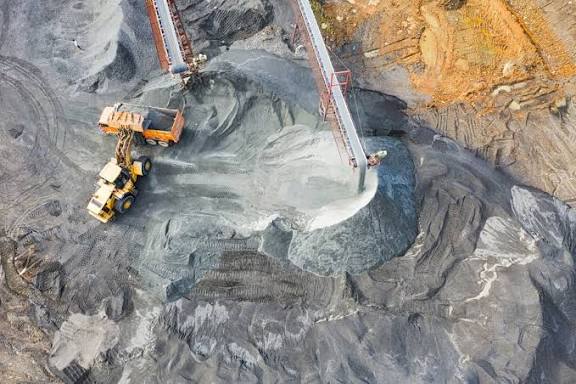
The Reko Diq bridge loan reportedl requires repayment in two years, while analysts have flagged foreign-exchange exposure and security costs of about Rs46.38 billion, nearly 17% of project cost. This makes project governance, revenue planning and risk sharing critical.
3. Gwadar’s Role Strengthens

If ML-3 and mining logistics advance, Gwadar can gain new relevance as a mineral-export, warehousing, customs, maritime-service and transshipment platform. Gwadar Port already offers investor incentives including tax exemptions, duty-free machinery imports and free cargo storage periods.
4. Reko Diq: Anchor Project, Wider Ecosystem

Reko Diq is no longer only a mining project; it is becoming an infrastructure-finance driver. It can create demand for heavy transport, industrial workshops, security technology, environmental services, workforce training, camp management and local suppliers. However, Barrick’s review extension due to security and regional risk means timelines must remain realistic.
5. Budget and ADP Linkage

The provincial ADP of Rs206 billion creates space for roads, water, energy and district infrastructure, but only coordinated spending with rail, Gwadar and mining corridors will create multiplier effects.
6. New Investment Openings
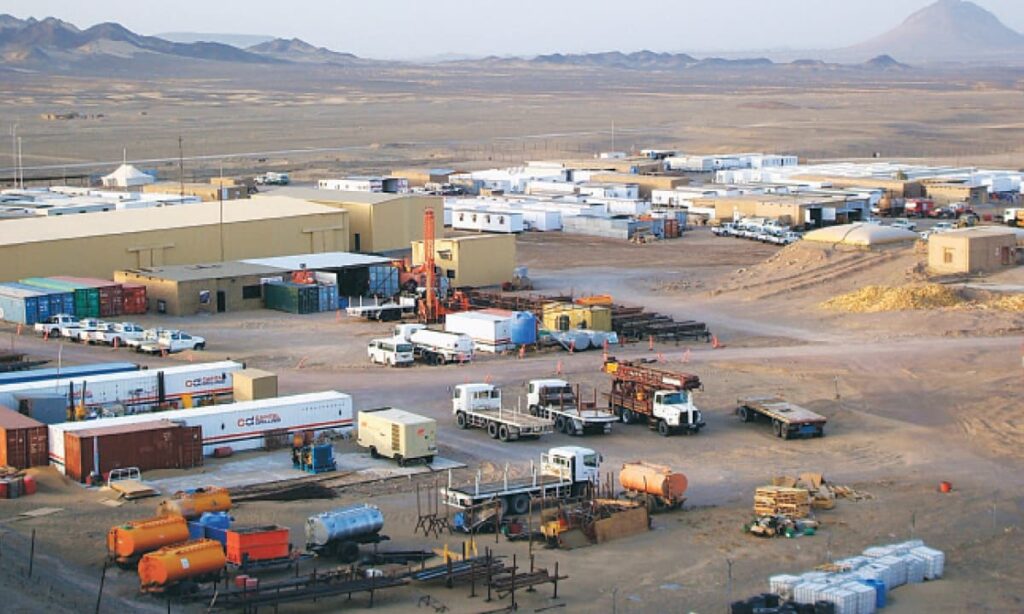
Strongest current openings: railway engineering, mineral logistics, Gwadar warehousing, freight forwarding, dry-port services, security systems, solar power for logistics nodes, construction materials, customs facilitation, fisheries cold chain and SME supplier development.
Key Risks
Main risks are repayment pressure, exchange-rate exposure, security costs, slow procurement, weak local supplier capacity, water stress and underutilization of Gwadar if cargo volumes do not scale.
Analyst Note
The June 30 signal is corridor-finance discipline. Balochistan’s economic transformation now depends on linking Reko Diq, ML-3, Gwadar and regional trade into a bankable corridor system with secure logistics, transparent financing and strong local business participation. -Ends-
Research & Analysis – Balochistan Economic Forum.