Tehran, Iran – In a dramatic and dangerous escalation of Middle East tensions, Israel carried out airstrikes on dozens of locations in Iran late Thursday and into Friday, striking deep into Iranian territory and killing several of the country’s most senior military commanders and nuclear scientists. The unprecedented attacks targeted command centers, military bases, nuclear facilities, and even residential areas housing leadership, triggering immediate vows of fierce retaliation from Tehran and sending shockwaves across the region.
Key Iranian Figures Killed
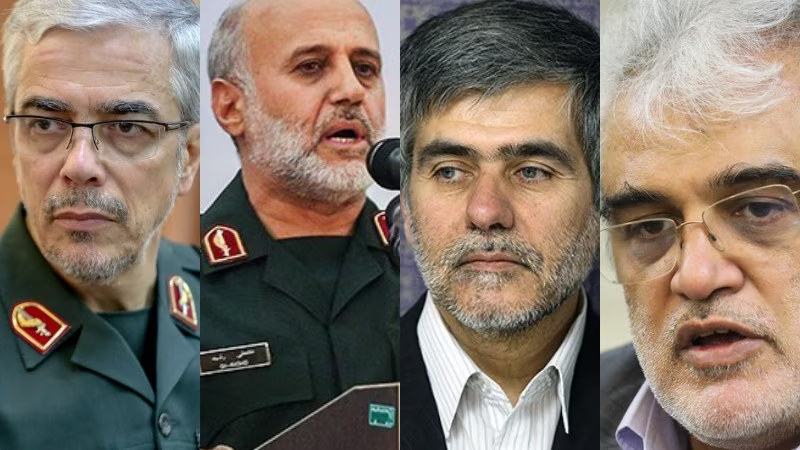
The strikes delivered a devastating blow to Iran’s military and scientific leadership. State media confirmed the deaths of:
Commander Hossein Salami: The powerful head of Iran’s Islamic Revolutionary Guard Corps (IRGC).
Major General Mohammad Bagheri: Iran’s Armed Forces Chief of Staff – a position of immense strategic importance.
Major General Gholam Ali Rashid: Commander of the critical Khatam al-Anbiya Central Headquarters, alongside his son.
Ahmad Reza Zolfaghari: A prominent nuclear scientist involved in Iran’s sensitive programs.
Widespread Attacks and Civilian Toll
Israel carried out airstrikes on dozens of locations in Iran across multiple cities, according to Iranian and Israeli sources. Initial reports pinpointed strikes in at least six locations, including:
Tehran: Military installations and surrounding areas, plus residential zones. Five civilians were reported killed in one Tehran residential strike.
Isfahan: A major city south of Tehran, home to sensitive military and nuclear sites.
Arak: Southwest of Tehran, known for its heavy water reactor complex.
Kermanshah: Western Iran, near the Iraqi border.
Tabriz: Northwest Iran, where two people were killed and six wounded.
The attacks reportedly unfolded in multiple waves, with unconfirmed reports suggesting a third phase might be imminent. Overall, Iranian media reported at least three top military officials and six scientists killed, alongside at least seven civilian fatalities and approximately 50 wounded, including women and children.
As tensions mounted, Iran scrambled its air defenses and suspended all flights at Tehran’s Imam Khomeini International Airport. A high-level security meeting of Iranian leadership was urgently convened.
Israeli Claims and Heightened Alert
Israeli media reported that dozens of Israeli Air Force fighter jets participated in the operation, successfully completing a “first phase” of attacks. An Israeli military official stated that “dozens of sites” were hit, specifically emphasizing nuclear and military targets. The same official made a startling claim, asserting Iran possesses enough fissile material to produce “15 nuclear bombs in a few days,” framing Iranian weapons of mass destruction as a dire threat to Israel and the world.
Anticipating a fierce response, Israel declared a state of emergency and moved to high alert, specifically fearing retaliatory ballistic missile attacks from Iran.
Iran Vows “Severe Punishment”
The reaction from Tehran was swift and furious. Supreme Leader Ayatollah Ali Khamenei issued a stark warning: “Israel should expect severe punishment.” He accused Israel of revealing its “cruel nature more than ever” by targeting residential areas and vowed, “The strong arms of the Iranian armed forces will not stop without punishing Israel.”
The Iranian government echoed this defiance with a powerful statement: “Starting a war with Iran is equivalent to playing with the lion’s tail… We did not start the war, but its end will be written by Iran.” Officials explicitly announced Iran would avenge every citizen killed in the attacks.
International Condemnation and US Position
The strikes drew swift international condemnation:
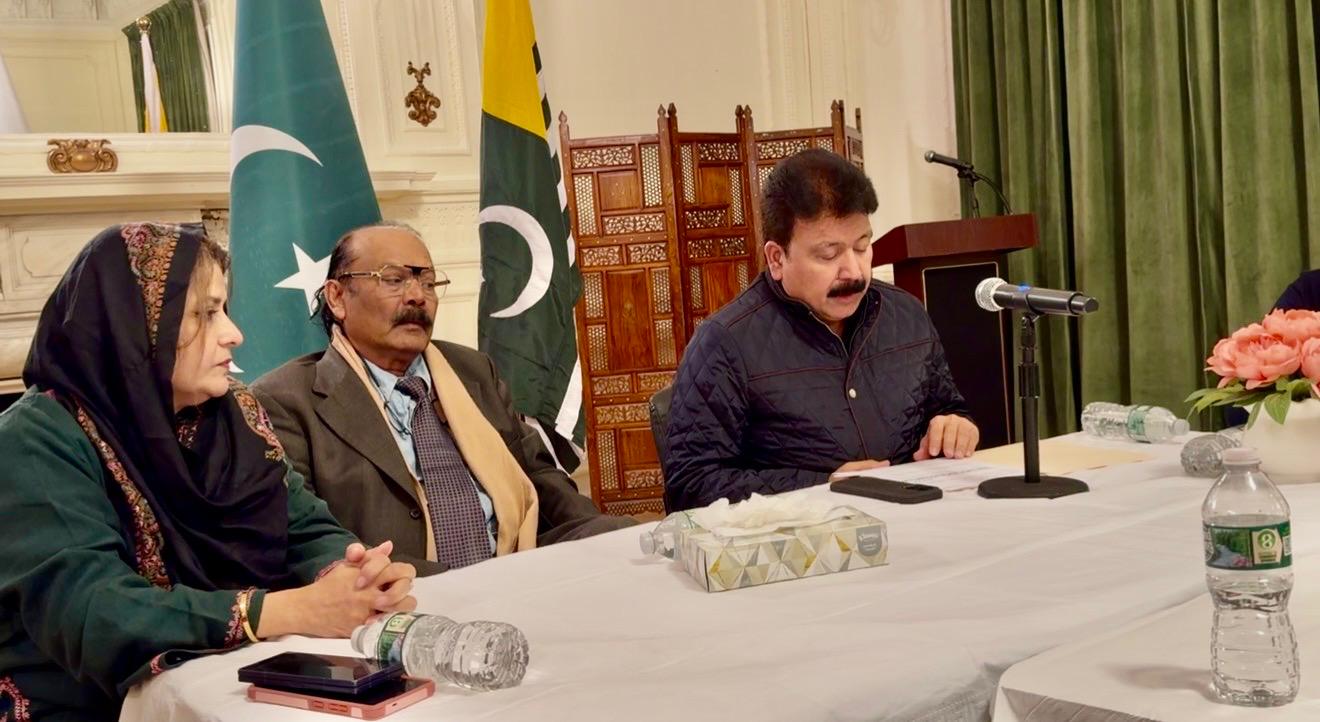
Pakistan: Expressed “full solidarity” with Iran, calling Israeli actions “provocative” and a “serious threat to regional and global peace.”
China: Foreign Ministry spokesman Lin Jian stated China “opposes the violation of Iran’s sovereignty.”
Saudi Arabia & UAE: Condemned the attacks, with Saudi Arabia citing violations of international law.
Japan: Foreign Minister Takeshi Iwaya warned the strikes had “increased tensions.”
The United States sought distance. Secretary of State Marco Rubio stated Israel had acted “unilaterally,” denying US involvement and emphasizing the priority was protecting American forces in the region. The US warned Iran against targeting American interests or personnel. President Trump convened a cabinet meeting to discuss the rapidly evolving crisis.
Hezbollah Stays Out – For Now
In a significant development, Lebanon’s Hezbollah, Iran’s most powerful regional proxy, announced it would not launch independent attacks on Israel in response to the strikes on its patron. A senior Hezbollah official clarified the group would “stay away” from the burgeoning Iran-Israel conflict for the time being.
The region now holds its breath. The scale of the Israeli strikes – targeting the very heart of Iran’s security establishment – and the deaths of such pivotal figures create immense pressure for Tehran to respond forcefully. The potential for a devastating regional war has dramatically increased following Israel carrying out airstrikes on dozens of locations in Iran. Urgent calls for restraint are emanating globally as the world watches anxiously.