Former Olympians who raised Pakistan’s flag in world hockey say they faced bans and exclusion when they spoke out against corruption and decline.
By Tahir A. Rana – Toronto, Canada
For generations, hockey in Pakistan was far more than just a game. It was a source of national pride, a symbol of excellence, and a dream for millions of young athletes. The men who wore the green jersey carried not just a stick and ball, but the hopes of an entire nation, lifting Pakistan’s flag on the grandest stages of world hockey and inspiring generations to follow in their footsteps.
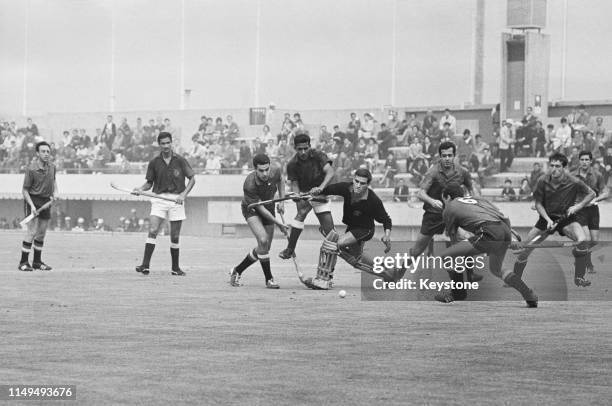
There was a time when the Pakistan men’s national hockey team ruled global competitions. Olympic triumphs and historic victories at the Men’s FIH Hockey World Cup made Pakistan a powerhouse in world hockey. When Pakistan won, the nation celebrated together, united in pride and identity. These victories were more than medals—they were moments that defined the spirit of the nation.
Today, however, that proud legacy is facing one of its darkest chapters.
Years of mismanagement, poor governance, political interference, and controversial decisions have plunged Pakistan hockey into crisis. But the heartbreak is not only in lost matches or declining rankings. The deepest wound comes from the treatment of the very legends who once carried Pakistan to glory heroes who dared to speak against corruption, mismanagement, and policies that were destroying the game from within.
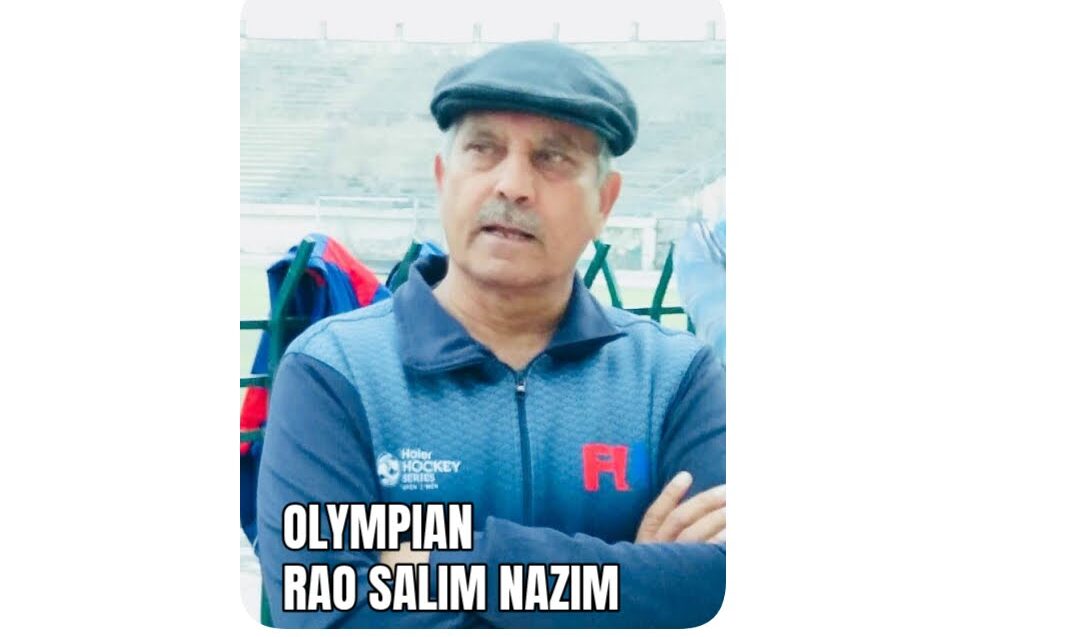
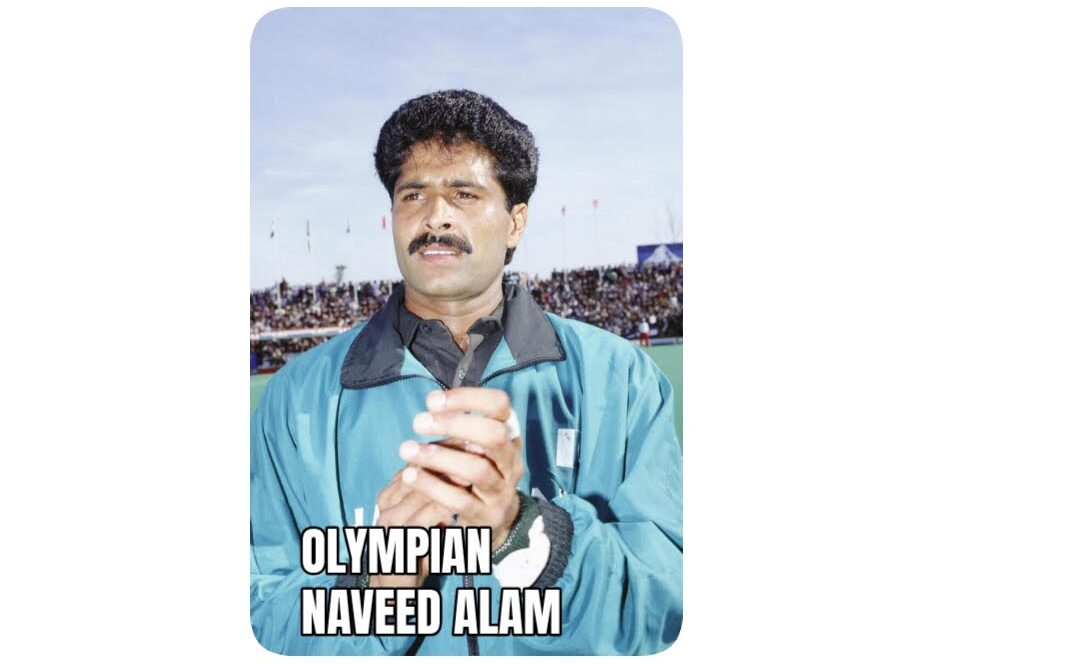
Among those voices were late Olympian Rai Saleem Nazim and late Olympian Naveed Alam. Both men served Pakistan with honor on the global stage and, after retiring, dedicated their lives to developing hockey at the grassroots level. They mentored young players, nurtured local talent, and remained tirelessly committed to the game. Yet when they spoke out about corruption, favoritism, and the urgent need to rebuild Pakistan hockey, they faced bans and exclusion a bitter injustice that many in the hockey community still remember with anger and sorrow.
Their fight was never against Pakistan hockey. It was for its survival. They gave their hearts and voices to the hockey, only to be silenced by the very system they had once helped elevate.
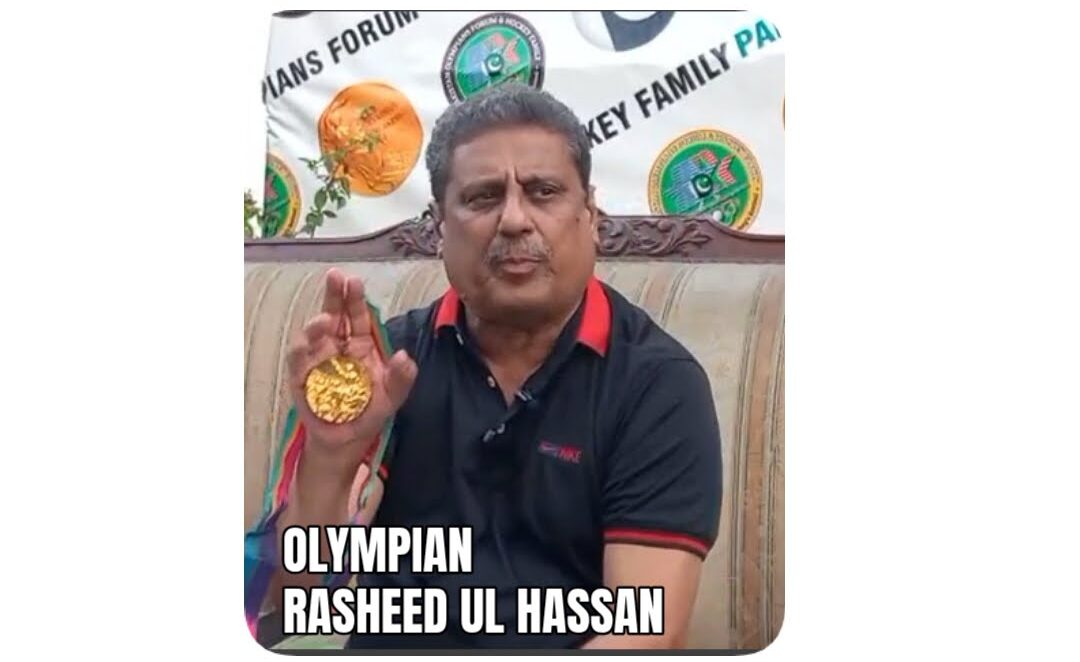
Another shining example is Olympian Rasheed ul Hassan, a member of the legendary team that won gold at the 1984 Olympics in Los Angeles, Pakistan’s last Olympic gold medal in hockey.
Rasheed Ul Hassan remains one of the rare players in Pakistan hockey history to have won gold medals in all major international competitions: the Olympic Games, the World Cup, the Champions Trophy, the Asian Games, and the Junior World Cup. His achievements are unmatched, yet even he was targeted after raising his voice against decisions that weakened Pakistan hockey, including the closure of departmental teams. These teams had provided not just jobs and livelihoods, but stability and competitive opportunities for hundreds of players. Their closure left a void that the national team and the wider hockey community are still struggling to fill.
Olympian Rasheed ul Hassan spoke when many others remained silent.
When national team players later faced financial hardships and went without basic daily allowances, he once again stood up for them. In one of the most emotional moments in recent Pakistan hockey history, he publicly announced that he was willing to auction his 1984 Olympic gold medal—the last Olympic gold medal for Pakistan hockey to support struggling players.
It was not an act of defiance. It was a gesture from a man whose life had already been devoted to Pakistan hockey a man willing to sacrifice the most treasured symbol of his own career for the future of young hockey players.
For many, that moment highlighted the deep emotional bond that former Olympians continue to share with Pakistan hockey a love that goes beyond fame, recognition, or medals. It is a love rooted in sacrifice, dedication, and a desire to see the sport flourish again.
Today, Pakistan hockey stands at a critical crossroads. The decisions made now could define the future of the game for decades. Revisiting past decisions, including lifting unfair bans on respected Olympians, would not only honor those who sacrificed for the sport but could also send a clear message that accountability, fairness, and integrity matter in Pakistan hockey.
Hockey in Pakistan does not merely need administrative reforms. It needs recognition for the men who carried the nation’s flag to the pinnacle of world hockey. It needs unity, transparency, and respect for the voices that spoke truth to power.
History remembers not only victories but also how a nation treats its heroes.
For Pakistan hockey, the path to revival begins with listening to the voices that fought for it when it needed them most—and ensuring that those heroes are finally given the respect, honor, and justice they deserve.